
Smog: causes, types, health effects and control measures
Smog is a form of air pollution from smoke/fuel combustion and photochemical reactions. This article explains its types, composition, notable events, health impacts, measurement and ways to reduce it.
Overview
Smog is a form of air pollutant characterized by reduced visibility and a harmful mix of gases and particles. The word combines smoke and fog, reflecting two principal ways smog can form: as a sulphurous, smoke-laden haze from combustion or as a photochemical product from sunlight acting on vehicle and industrial emissions. Both varieties can persist under particular weather conditions and pose risks to human health, ecosystems and infrastructure.
Image gallery
10 Images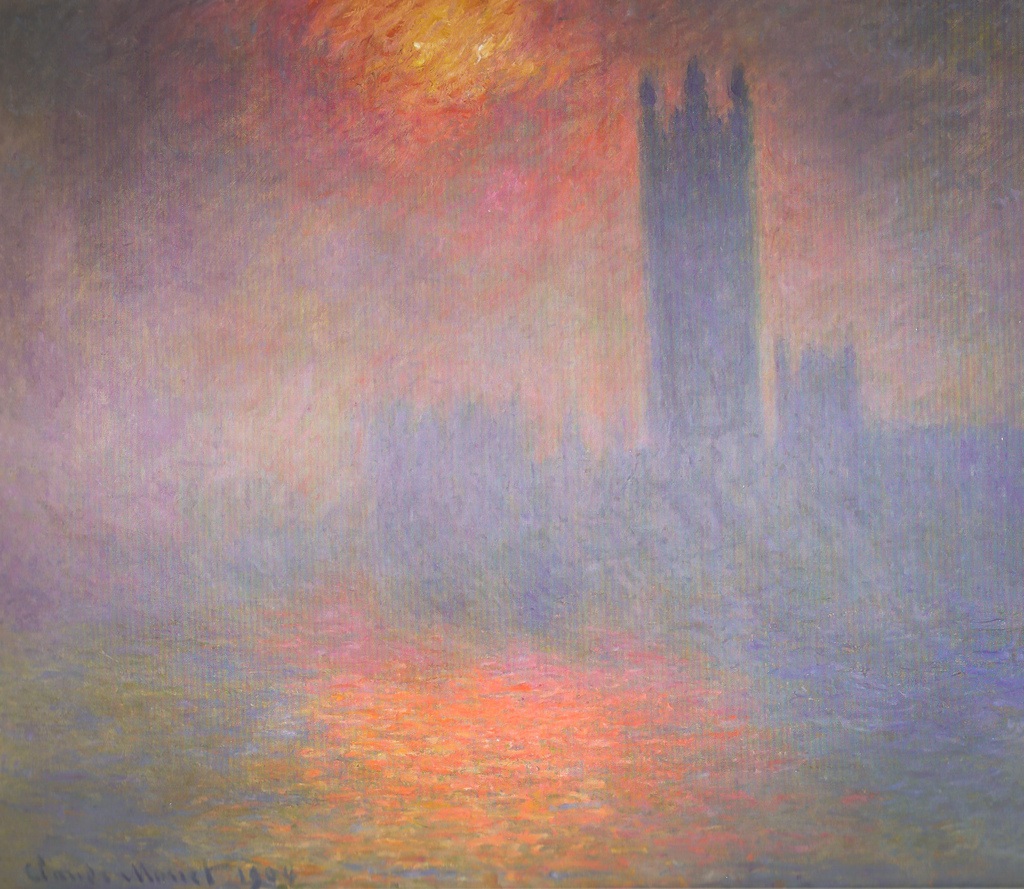





Composition and types
Broadly, smog falls into two categories. Classic or “industrial” smog arises when smoke—often from burning coal and other solid fuels—and gases mix with fog and cool air. It is produced by the burning of carbonaceous fuels and results from a mixture that often includes soot, ash and gases such as sulfur dioxide. Photochemical smog, by contrast, forms when nitrogen oxides and volatile organic compounds react in sunlight to create ozone and secondary particles.
History and notable events
Urban smogs became prominently documented during industrialisation. One of the best known events was a severe episode in London, which highlighted how coal smoke combined with stagnant air to create deadly conditions and led to cleaner-air legislation. As fuel sources and transport evolved, other cities faced different smog patterns: Los Angeles became associated with photochemical smog driven by vehicle exhaust, while modern growth and seasonal factors have contributed to hazardous episodes in cities such as Delhi and Beijing.
Health, environment and economic impacts
Smog contains fine particulate matter (PM2.5 and PM10), ozone and other irritants that can trigger respiratory and cardiovascular problems, aggravate asthma and increase hospital admissions. It also reduces light levels, corrodes materials and damages crops. The health burden is greatest for children, older adults and people with preexisting conditions.
Measurement, regulation and mitigation
- Monitoring: networks measure PM, ozone, NOx and SO2 and issue air-quality indices to guide public health advice.
- Regulation: controls on fuel quality, industrial emissions and vehicle standards have reduced many forms of smog in developed regions.
- Mitigation: practical measures include switching away from high-sulfur fuels, adopting cleaner transport and energy, using low-emission zones, restricting burning during inversion events and urban planning that improves ventilation.
Distinctions and notable facts
Not all hazes are identical: ‘‘smoke + fog’’ type events typically involve sulfur and soot, while photochemical smog is defined by ozone and secondary organic aerosols formed in sunlight. Local climate, topography and policy all shape how often and how severely smog appears. Effective reduction combines technology, regulation and public behaviour to lower emission sources and reduce population exposure.
Questions and answers
Q: What is smoke and fog?
A: Smoke and fog, also known as smog, is a type of air pollutant caused by a mixture of smoke and sulfur dioxide or exhaust fumes from cars.
Q: What is classic smog?
A: Classic smog is caused by large amounts of coal burning in an area and is a mixture of smoke and sulfur dioxide.
Q: Where did smog first happen?
A: Smog first happened in London due to large amounts of coal burning.
Q: Why are coal fires illegal in London?
A: Coal fires are illegal in London to prevent the occurrence of air pollution and smog.
Q: What causes smog in cities like Los Angeles?
A: Smog in cities like Los Angeles is caused by exhaust fumes from cars.
Q: Why is Delhi considered the most polluted city on Earth?
A: Delhi is considered the most polluted city on Earth due to the high level of air pollution caused by smog, which leads to lung diseases and an increased death rate.
Q: What is the estimated number of deaths related to air pollution in Delhi every year?
A: According to one estimate, air pollution causes the death of about 10,500 people in Delhi every year.
Author
AlegsaOnline.com Smog: causes, types, health effects and control measures Leandro Alegsa
URL: https://en.alegsaonline.com/art/91251
Sources
- hindustantimes.com : "Delhi is most polluted city in world, Beijing much better: WHO study"
- world.time.com : "Delhi's air has become a lethal hazard and nobody seems to know what to do about it"
- voanews.com : "India's air pollution triggers comparisons with China"
- economist.com : "A Delhi particular"