
Technology: tools, methods, systems and their social impact
A concise encyclopedia article on technology: definitions, parts, historical milestones, uses, and differences between tools, machines and information systems.
Overview
Technology refers broadly to the collection of skills, methods and processes people use to transform materials, information or energy toward specific goals. In its simplest sense it can be a hand tool or a learned technique; in more complex forms it becomes an engineered system or a machine that embeds specialized knowledge. The term spans everything from practical trade skills to advanced computing architectures and plays a role in production, communication and problem solving. For a definition emphasizing human practices see skills, methods and processes.
Image gallery
10 Images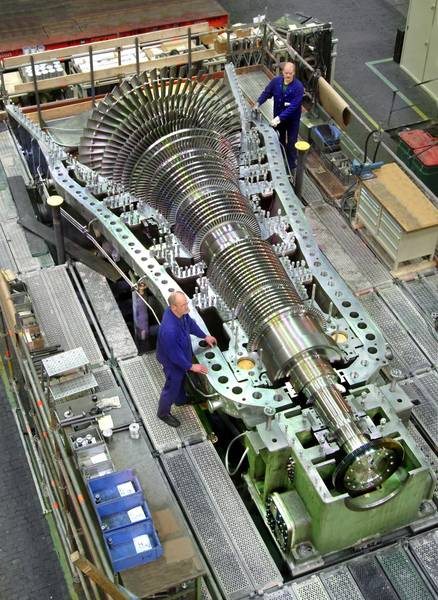





Core characteristics and components
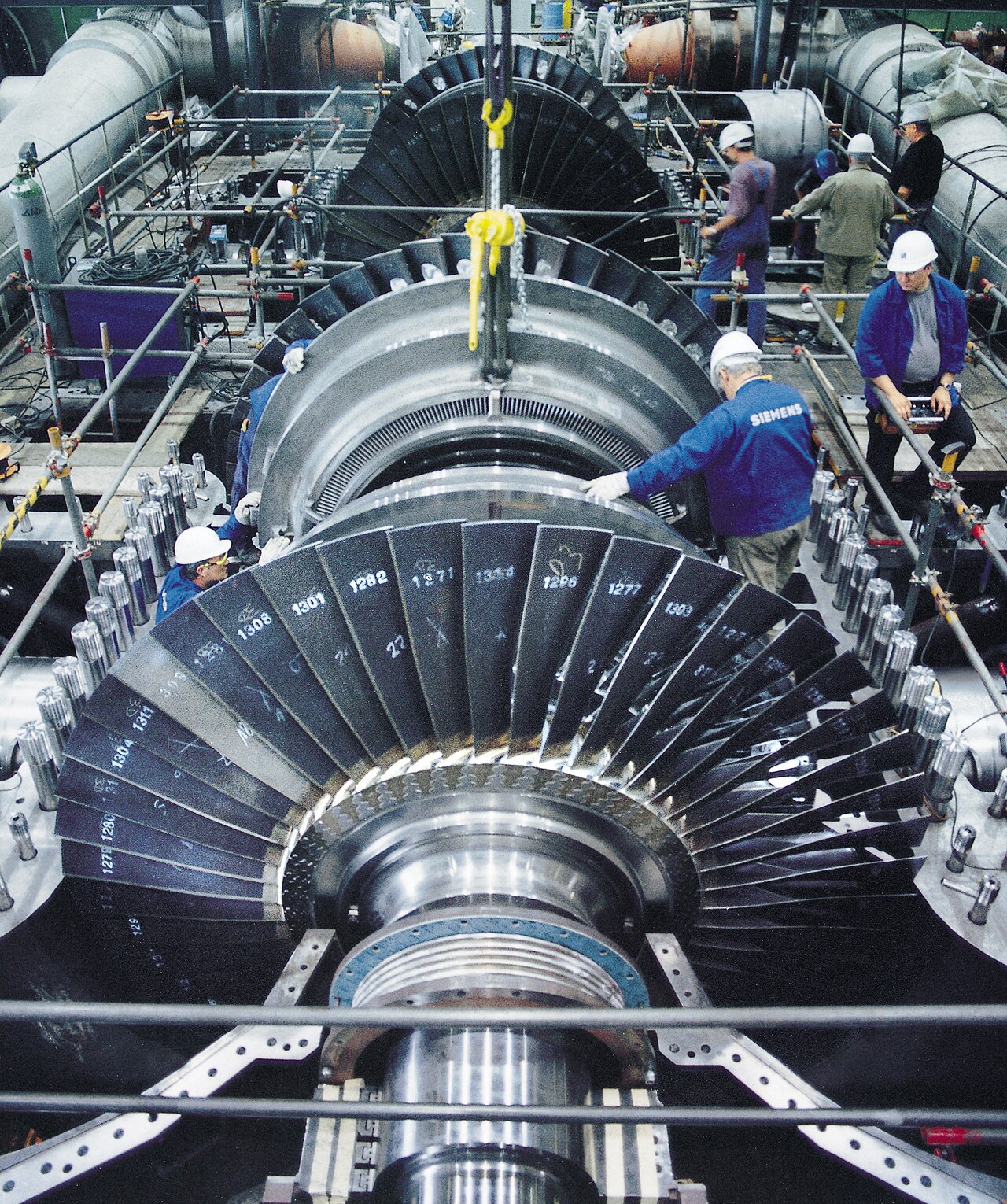
Most technologies combine at least three elements: a physical artifact or tool, a body of knowledge or technique, and procedures for use and maintenance. A machine illustrates this composition: the mechanical parts are guided by design knowledge and operated according to method; users can often employ the machine without understanding the detailed science inside. Consider how technologies enable production of goods and delivery of services or how they support activities such as scientific investigation.
Historical development
Human technology developed gradually from simple stone implements to complex industrial and digital systems. Early milestones include the controlled use of fire and food production changes in the Neolithic Revolution, which altered settlement and population patterns. Transport innovations such as the wheel and the ship expanded trade and movement. Later, information technologies like the printing press, the telephone and the Internet reshaped communication and helped drive globalization. Space exploration provides a modern example of cumulative development: building and launching a spaceship to the Moon required centuries of incremental advances.
Uses, examples and societal importance
Technology is applied to accomplish many human aims: to solve problems such as disease or famine, to increase efficiency in manufacturing, to enable research and to provide convenience. Examples range from simple tools used in craftwork to large-scale industrial automation and modern information technology systems that manage data flows across organizations. Technologies also change how people work, how economies organize, and how cultures interact.
Systems perspective and embedded knowledge
Understanding technology as a system highlights interactions between components, users and environment. A technological system takes inputs, transforms them and produces outputs; it includes hardware, software, supporting institutions and the tacit knowledge of users and maintainers. The idea that technology can be knowledge is captured in practices and manuals—what a community knows about how to do things is itself a form of technology (knowledge). Many devices are designed so that users can operate them without knowing internal mechanics; this is the effect of embedding expertise in machines.
Distinctions and notable considerations
- Tools versus systems: a tool is a single object, while a system involves interdependent parts and human institutions.
- Material technology versus information technology: material advances change how things are made or moved, while information advances change how data and knowledge are produced and shared. Modern economies depend on both forms working together.
- Ethics and governance: technologies create benefits but also raise questions about equity, privacy and environmental impact; these concerns influence adoption and regulation.
For readers who wish to follow specific threads, related topics include practical skills, laboratory methods, engineering techniques, early innovations such as the control of fire and the Neolithic changes, transport advances like the wheel and ships, and the information age exemplified by the press, phone and the Internet. Technology continues to influence health, agriculture and exploration as efforts address disease, hunger, and ambitious projects like sending a spacecraft beyond Earth. Additional resources and perspectives can be found via general introductions to manufacture, services, the study of knowledge in practice, and analyses of globalization.
Questions and answers
Q: What is technology?
A: Technology is the skills, methods, and processes used to achieve goals.
Q: How can people use technology?
A: People can use technology to produce goods or services, carry out goals, solve problems, and do things more easily.
Q: What are examples of technological systems?
A: Technological systems are machines that take something, change it, then produce a result. They are also known as technology systems.
Q: What is the most simple form of technology?
A: The most simple form of technology is the development and use of basic tools.
Q: What inventions have helped people transport goods and themselves?
A: Inventions such as the wheel and the ship have helped people to transport goods and themselves.
Q: What type of technology has led to globalization?
A: Information technology such as the printing press, telephone, and Internet has led to globalization.
Related articles
Author
AlegsaOnline.com Technology: tools, methods, systems and their social impact Leandro Alegsa
URL: https://en.alegsaonline.com/art/96692