
Asphyxia (asphyxiation): causes, mechanisms, and clinical overview
Asphyxia is oxygen deprivation that can cause unconsciousness, brain injury, or death. This article reviews physiological mechanisms, common causes, signs, emergency care, forensic contexts, and prevention.
Overview
Asphyxia, or asphyxiation, describes the state in which the body does not receive adequate oxygen to meet metabolic needs. If the shortage persists, tissues—most critically the brain—can suffer irreversible injury and the event may result in death. Because oxygen is essential for cellular energy production, even short periods of severe oxygen deprivation can have serious consequences.
Image gallery
3 Images
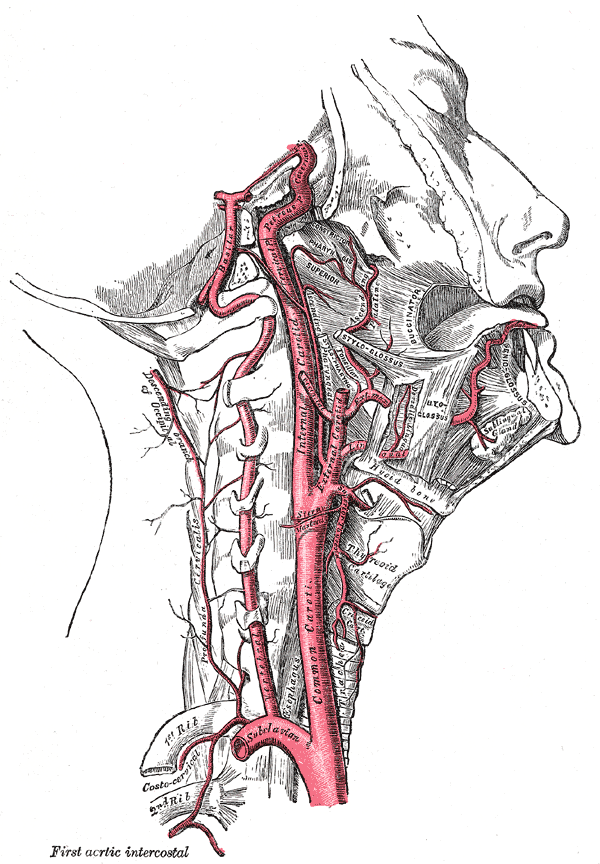

Mechanisms and physiology
Normal breathing maintains blood oxygen and carbon dioxide balance. The drive to breathe is largely regulated by levels of carbon dioxide in the blood, so changes to carbon dioxide can alter the perception of breathlessness. Asphyxia may arise from reduced oxygen availability (hypoxia), reduced oxygen transport, or impaired gas exchange. When oxygen delivery falls, cells switch from aerobic to anaerobic metabolism, producing less ATP and leading to lactic acidosis, membrane failure, and cell death—neurons are particularly vulnerable.
Causes and categories
Causes of asphyxia are diverse and are commonly sorted into mechanical and chemical categories. Mechanical asphyxia involves physical obstruction or compression that prevents airflow or chest expansion; chemical asphyxia involves substances that interfere with oxygen uptake or delivery.
- Airway obstruction: choking on a foreign body, swelling, or compression of the neck (strangulation).
- Chest compression: external force that prevents breathing or restricts circulation.
- Drowning and aspiration: fluid in the airways prevents gas exchange.
- Inert gas or toxic inhalation: replacing breathable air or poisoning the blood's ability to carry oxygen.
- Restricted environments: enclosed spaces with low oxygen concentration.
Signs, diagnosis and immediate treatment
Common features of acute asphyxia include rapid breathing followed by slow or absent respirations, cyanosis (blue discoloration), confusion, loss of consciousness, and seizures. Diagnosis is clinical and supported by observation, pulse oximetry, arterial blood gases, and, when needed, imaging or endoscopic inspection of the airway.
Emergency management focuses on restoring oxygenation and ventilation: clear the airway, perform basic life support (opening the airway, rescue breaths, chest compressions as indicated), provide high-flow oxygen, and secure the airway with advanced techniques (intubation, mechanical ventilation) when necessary. Treating underlying causes—removing obstructions, reversing toxins, or relieving compression—is essential to recovery.
Contexts, nonfatal uses and forensic importance
Asphyxia occurs in many settings. It can be accidental (choking, workplace incidents), intentional (including suicide or as a method in violent acts), or inflicted (used in torture or during hostilities). Certain competitive and recreational activities carry risk: some martial arts and combat sports use chokeholds that briefly interrupt blood flow to the brain and can cause transient unconsciousness; these techniques require strict rules and training to reduce harm. Erotic asphyxiation is another nonmedical context that has led to accidental fatalities.
Forensic examination of suspected asphyxia involves careful autopsy, evaluation of injury patterns, toxicology, and consideration of scene evidence. Determining whether asphyxia was accidental, suicidal, or homicidal often requires multidisciplinary investigation.
Prevention and notable facts
Prevention emphasizes airway safety (choking precautions, safe restraint practices), environmental controls (gas detection, confined-space protocols), and public education about first aid and bystander CPR. A notable physiological point is that people may not feel an urgent need to breathe if carbon dioxide levels are low even while oxygen is falling—this can make some forms of hypoxic asphyxia less obvious until severe harm has occurred.
Timely recognition and intervention can prevent long-term damage. Medical, legal, and safety systems aim to reduce the incidence of asphyxia through training, regulation, and rapid emergency response.
Related articles
Author
AlegsaOnline.com Asphyxia (asphyxiation): causes, mechanisms, and clinical overview Leandro Alegsa
URL: https://en.alegsaonline.com/art/6681