
Breathing: how air moves through the lungs and sustains life
Breathing is the continuous process of moving air into and out of the lungs to deliver oxygen and remove carbon dioxide. This article explains how breathing works, its control, variations, and common disorders.
Breathing is the physical process of moving air into and out of the lungs. It supplies oxygen to the body and eliminates metabolic waste gas, carbon dioxide. Without a functioning breathing process a person cannot maintain the oxygen levels tissues need to survive. Breath — the single cycle of inhalation and exhalation — can be altered by activity, emotion or illness, yet its basic role remains the same: transfer of gases between the environment and the bloodstream.
Image gallery
10 Images


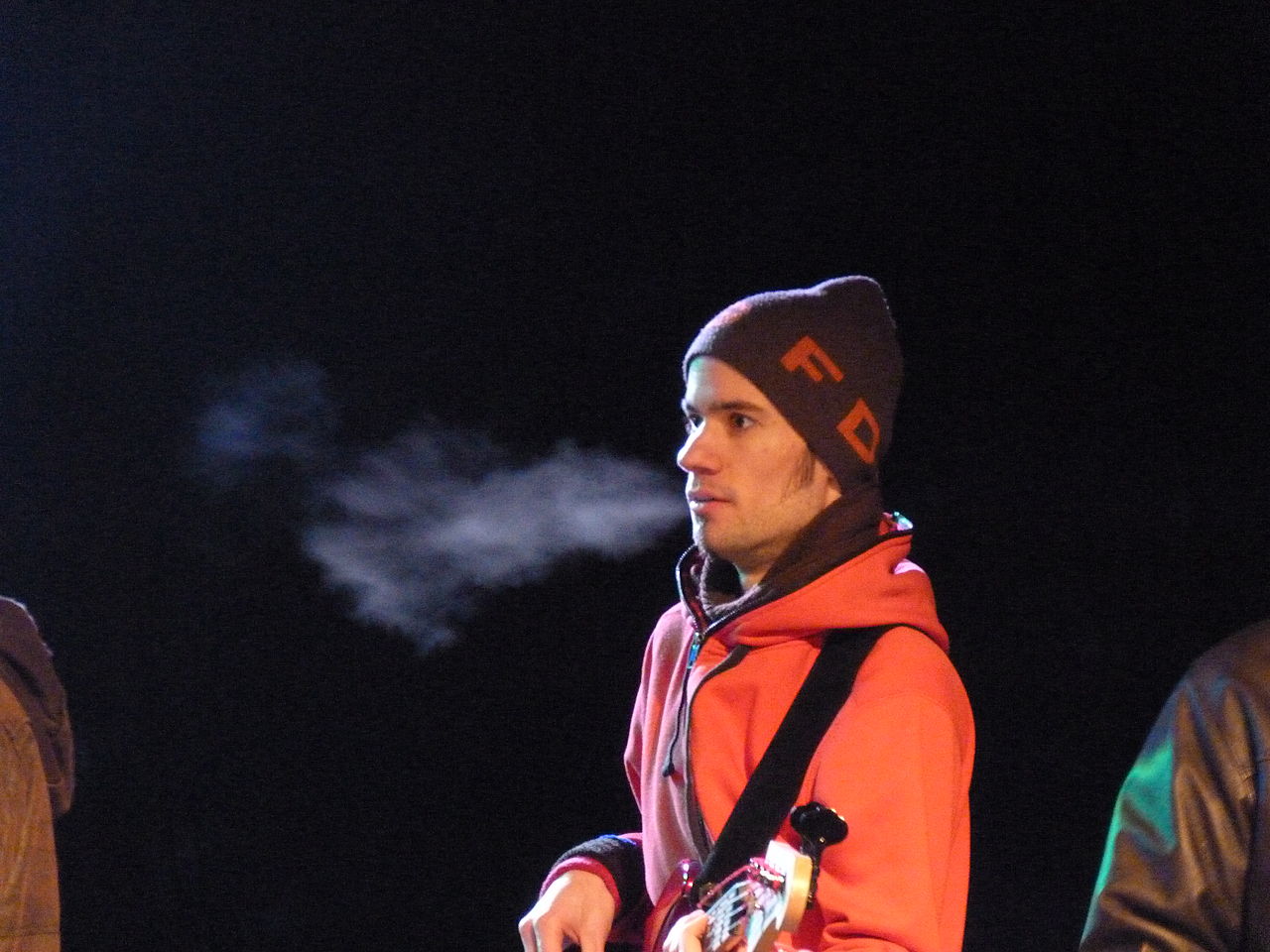


How breathing works
Breathing consists of several coordinated parts and actions. During inhalation the diaphragm and certain chest muscles contract, expanding the chest cavity and drawing air in. That air contains oxygen, which passes across tiny air sacs in the lungs into nearby blood vessels by diffusion. Simultaneously, carbon dioxide produced by cells moves from the blood into the lungs to be expelled during exhalation. This gas exchange is the core mechanical and chemical function of respiration.
Control and regulation
The rhythm and depth of breathing are regulated automatically by centers in the brainstem and by sensors that monitor blood chemistry. Chemoreceptors detect levels of carbon dioxide and oxygen and adjust breathing rate and volume to keep them within safe limits. Conscious processes — speaking, singing or deliberate breath control in practices like meditation — can temporarily override automatic control, but the brainstem reasserts control if unconsciousness or a critical imbalance occurs.
Variation, development and evolutionary context
Resting breathing rates differ by age and circumstance: adults typically take fewer breaths per minute than children and rates increase during exercise, fever, or stress. In evolutionary terms, simple organisms rely on diffusion of gases across their surfaces, while animals developed specialized respiratory structures (gills, tracheae, lungs) to meet greater metabolic demands. Human lungs are composed of branching airways that end in microscopic alveoli where efficient gas exchange occurs.
Importance and common problems
Breathing is vital for sustaining cellular metabolism and removing excess carbon dioxide, which in high concentrations can be harmful or poisonous to body systems. Common breathing-related conditions include asthma, chronic obstructive pulmonary disease (COPD), respiratory infections and sleep apnea. Basic life support and emergency response prioritize clearing airways and supporting ventilation because uninterrupted breathing is essential for survival.
Practical observations and tips
- Normal adult resting breathing is fairly quiet and regular; noticeable changes in rate, effort or color warrant evaluation.
- Controlled breathing techniques can reduce stress, improve exercise performance and assist rehabilitation after respiratory illness.
- When monitoring breathing, look for chest movement, listen for sounds, and feel airflow at the mouth or nose; if breathing stops, begin emergency measures.
Understanding breathing combines anatomy, physiology and behavior. It is both an automatic life-sustaining process and a human function that can be observed, measured and intentionally modified for health and performance.
Questions and answers
Q: What is breathing?
A: Breathing is moving air in and out of the lungs.
Q: Why is breathing important?
A: Breathing is important because it helps people get oxygen into the body and get carbon dioxide out of the body.
Q: Why does every part of the body need oxygen?
A: Every part of the body needs oxygen to survive because it is necessary for the production of energy.
Q: What happens when a person breathes in?
A: When a person breathes in, air (which contains oxygen) enters their lungs.
Q: What is gas exchange?
A: Gas exchange is the process by which oxygen enters the bloodstream and carbon dioxide exits the bloodstream, thereby allowing oxygen to be distributed throughout the body and carbon dioxide to be expelled.
Q: How often do adults breathe?
A: Adults breathe about 18 times a minute, which is more than 25,000 times a day.
Q: Why do children breathe even faster?
A: Children breathe even faster than adults because their bodies are smaller and require more oxygen per pound of body weight.
Related articles
Author
AlegsaOnline.com Breathing: how air moves through the lungs and sustains life Leandro Alegsa
URL: https://en.alegsaonline.com/art/13856
Sources
- merckmanuals.com : "Exchanging Oxygen and Carbon Dioxide"
- hsc.uwe.ac.uk : "Control of Breathing"
- doi.org : 10.1096/fj.1530-6860
- jap.physiology.org : "Widespread sites of brain stem ventilatory chemoreceptors"
- worldcat.org : 1522-1601
- pubmed.ncbi.nlm.nih.gov : 8376301
- meddean.luc.edu : "Pulmonary Advanced Physical Diagnosis: Physiology"
- drugs.com : "Albuterol"