
Wind: Causes, Types, Effects, Measurement and Planetary Variations
Comprehensive overview of wind: what it is, how it forms, common classifications, impacts on environments and society, measurement methods, and notable planetary and solar examples.
Overview: Wind is the horizontal movement of air or other gases relative to a planetary surface, driven by differences in pressure and by heating from sunlight. On Earth, wind results from spatial variations in temperature and pressure across the atmosphere and is a principal factor shaping weather, climate patterns, and the distribution of heat and moisture. In space, streams of charged particles and gases emitted by stars are also referred to as winds and have distinct properties from atmospheric winds.
Image gallery
10 Images





How wind forms and its main characteristics
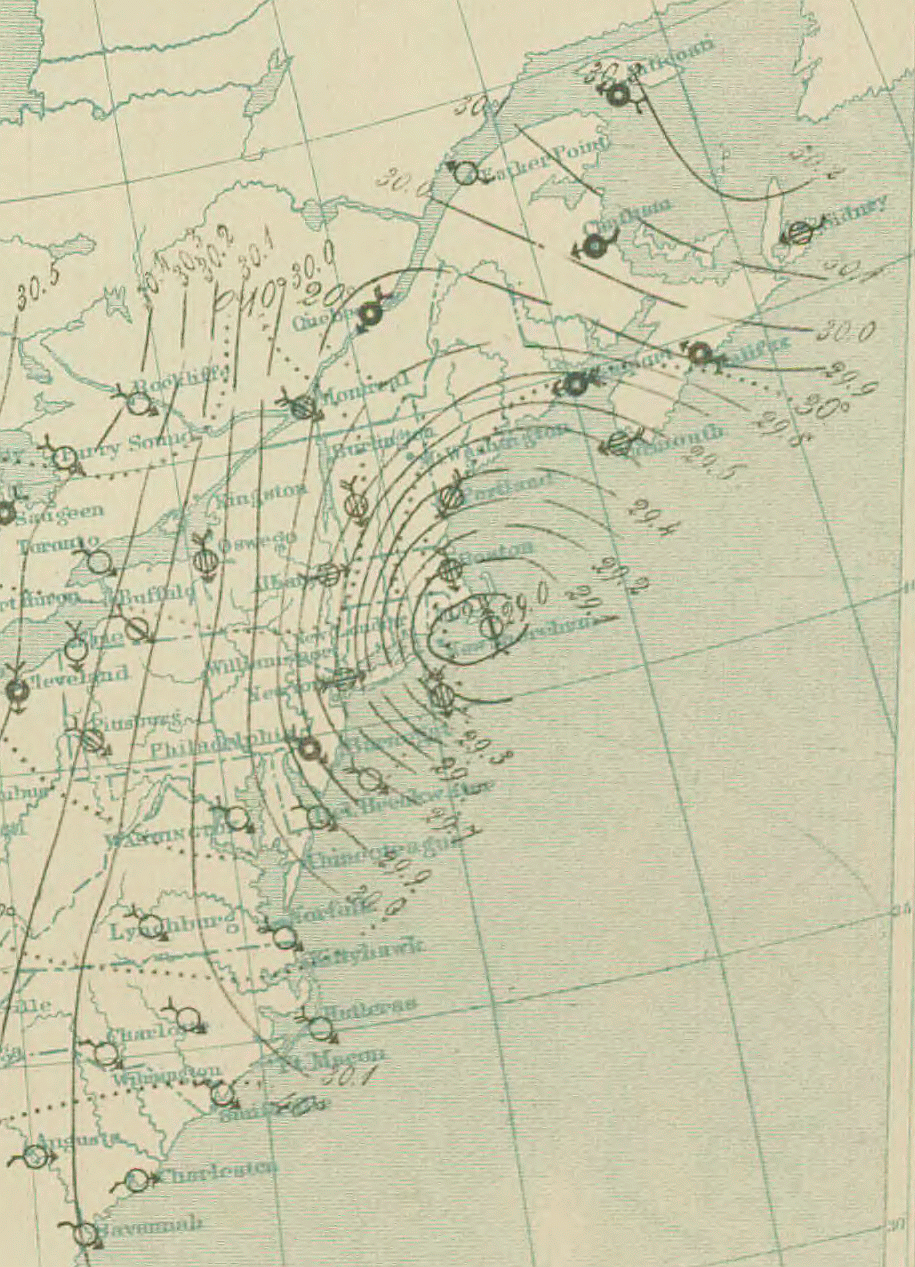
At the most basic level, wind flows from regions of higher atmospheric pressure toward regions of lower pressure. The pressure gradient force determines the initial acceleration of the air, while the planet's rotation produces a Coriolis effect that deflects and organizes flow into large-scale circulations. Vertical motions — air rising where it is warmed and sinking where it cools — create localized pressure differences that generate breezes and gusts. Short, sudden increases in speed are called gusts; stronger bursts that persist for tens of seconds to a few minutes are often described as squalls. Long-lasting flows are categorized by speed and character, with everyday terms including breeze, gale, storm and, at the highest intensities in organized tropical systems, hurricane, typhoon or cyclone.
Types, scales and measurement
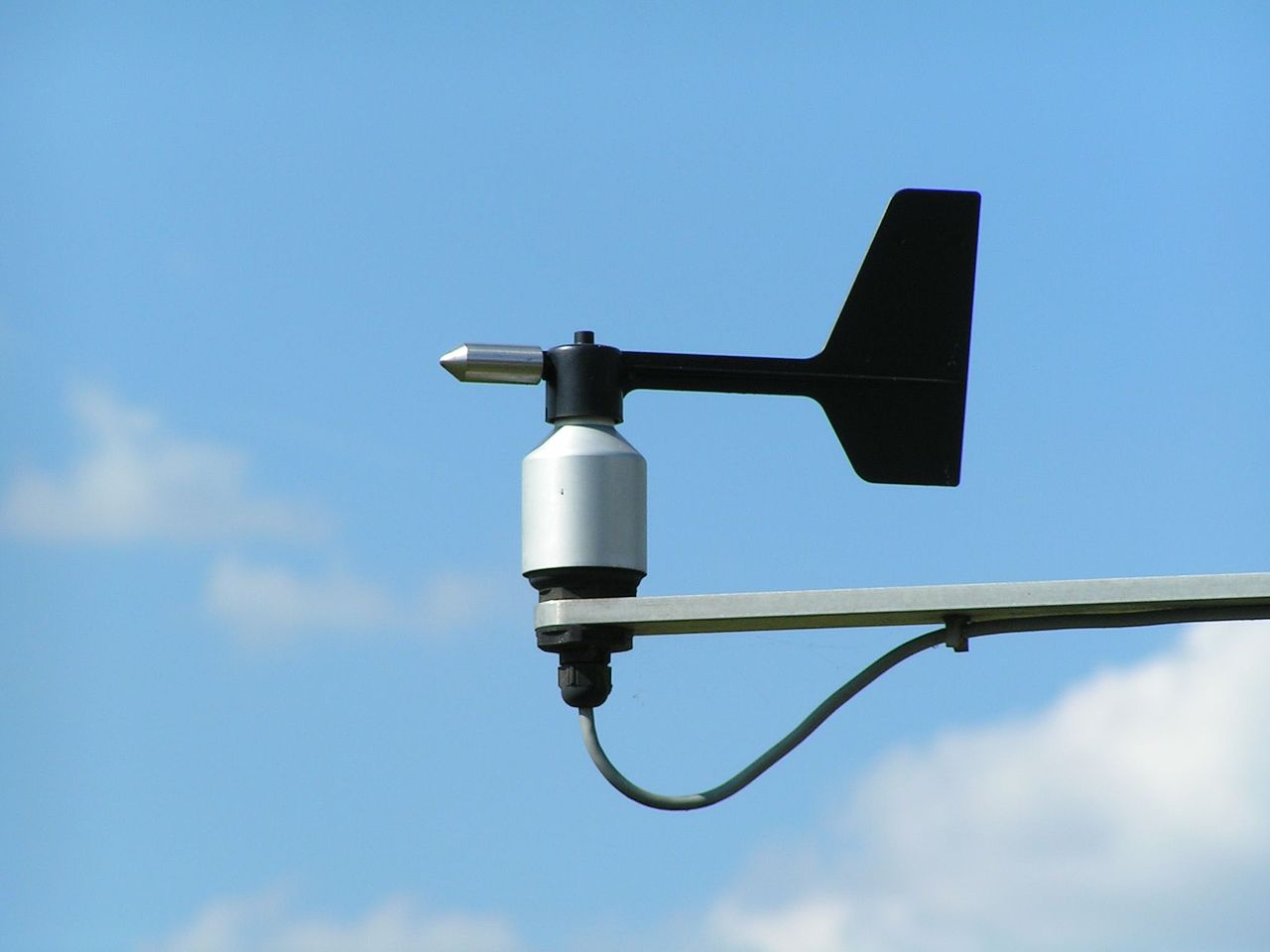
Wind is described by direction, speed and variability. Direction indicates where the wind is coming from and is commonly shown by a weather vane. Speed is measured with anemometers and estimated with observational scales such as the Beaufort scale, which relates wind force to sea conditions and land effects. Meteorologists also use modern instruments and remote sensing to quantify gusts, mean wind, shear (changes in speed or direction with height), and turbulent fluctuations that influence engineering and aviation.
Impacts and practical importance
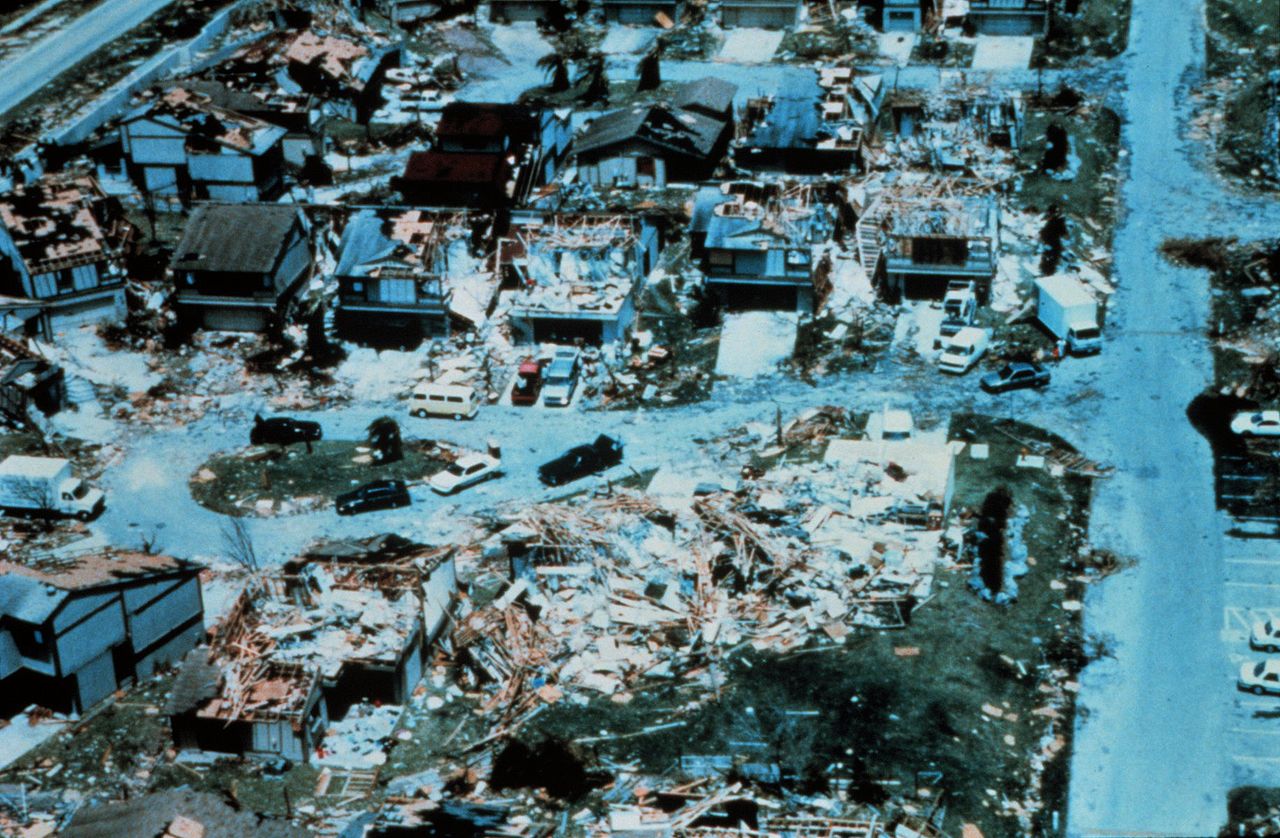
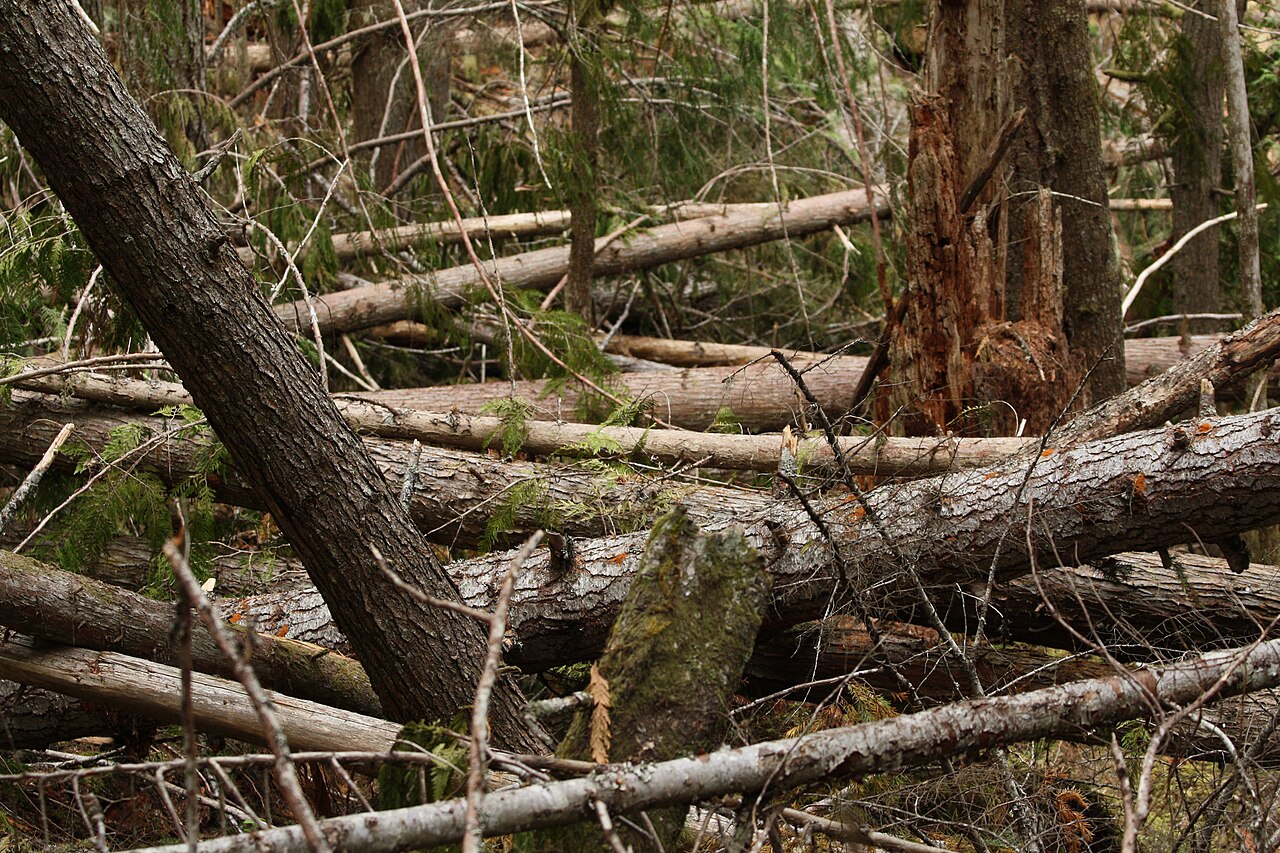
Wind affects human activities and natural systems in many ways. It redistributes heat, moisture, soil and biological material; drives ocean currents and waves; shapes coastal and desert landforms through erosion and deposition; and influences agriculture and animal husbandry. Strong winds can damage buildings and infrastructure, cause power outages, and pose hazards during storms and tornadoes. Conversely, steady winds supply renewable energy via wind turbines and assist navigation under sail. Wind also alters rates of evaporation and heat loss from surfaces and organisms.
Planetary and solar winds
Not all winds are atmospheric. The Sun emits a stream of charged particles known as the solar wind that interacts with planetary magnetospheres and the interplanetary medium. Within our solar system some planets exhibit extreme atmospheric winds; for example, gas giants can host sustained zonal jets and powerful storm systems with speeds much greater than typical terrestrial winds. Comparative studies of winds across planets improve understanding of fluid dynamics under varying rotation rates, compositions and thermal forcings.
Measurement, history and notable facts
People have measured and recorded wind for centuries: simple instruments such as flags and weathervanes give direction, while cup and vane anemometers provided quantitative readings from the 18th century onward. The Beaufort scale, developed in the early 19th century, remains a useful descriptive tool at sea and on land. Modern meteorology combines instrumental records, satellite data and models to forecast wind and its effects. Wind-driven processes remain central to weather prediction, climate studies and renewable energy planning.
References and further reading
- Definition: flow of gases
- Wind on Earth
- Air and atmospheric composition
- Outer space winds
- Solar wind overview
- Particles and charged flows
- The Sun as a source
- Propagation through space
- Extreme planetary winds
- Gusts and short bursts
- Definitions of storms: hurricane and typhoon
- Wind-driven erosion and sediment transport
- Desert processes influenced by wind
- Cold wind effects on livestock
- Solar heating and atmospheric circulation
- Wind over land and sea
- Role of wind in weather systems
- High pressure systems
- Anticyclones explained
- Cyclones and related phenomena
- Pressure gradients and flow
- Coriolis effect and rotation
- Storm dynamics and wind speeds
- Tornadoes: rapid rotating winds
- Wind damage to buildings
- Structural considerations for wind
- Convection and rising air
- Sinking cool air and outflow
- Visual indicators: rain and wind
- Dust transport by wind
- Snow-driven wind effects
- Beaufort scale for wind force
- Wind and evaporation rates
Notes: This article synthesizes general knowledge about winds in atmospheres and space. For technical details, measurement standards, localized forecasting and safety guidance consult specialist meteorological sources and local authorities.
Questions and answers
Q: What is wind?
A: Wind is the flow of gases, usually air, on Earth and particles from the sun in outer space.
Q: What are some examples of strong winds seen on planets in our solar system?
A: The strongest winds seen on a planet in our solar system are on Neptune and Saturn.
Q: What are gusts and squalls?
A: Gusts are short bursts of fast winds while squalls are strong winds that go on for about one minute.
Q: How does wind affect animals?
A: Wind can affect animals' food stores, their hunting and the way they protect themselves. Cold wind can also have a bad effect on livestock.
Q: How is wind created?
A: Wind is created by sunlight driving the Earth's atmospheric circulation which produces weather. High pressure areas near low pressure systems create air movement to even out the pressures, while hot or cold air rising or falling creates low or high pressures respectively with air flowing to equalize them.
Q: How do you measure how strong the wind is?
A: The Beaufort scale is used to tell how strong the wind is, especially at sea when no land can be seen.
Q: What effect does an increase in wind have?
A: An increase in wind causes an increase in rate of evaporation.
Related articles
Author
AlegsaOnline.com Wind: Causes, Types, Effects, Measurement and Planetary Variations Leandro Alegsa
URL: https://en.alegsaonline.com/art/108484
Sources
- books.google.com : The tornado
- books.google.com : Lightning: Principles, Instruments and Applications
- edis.ifas.ufl.edu : "How to Minimize Wind Damage in the South Florida Garden"