
Outer space: overview, structure, history, and importance
Outer space is the near-vacuum region beyond Earth's atmosphere where planets, stars, galaxies and other celestial objects exist; it has distinct physical properties and broad scientific and practical significance.
Overview
Outer space, often shortened to space, is the near-vacuum that extends between and around celestial objects. It contains the full diversity of astronomical bodies and phenomena: from small particles and gas to planets, planets, stars, and vast galaxies. The term highlights a region where atmospheric pressure is negligible compared with planetary surfaces and where the behaviour of matter and radiation follows different practical rules than within an atmosphere. The concept of a near-vacuum is commonly described with a reference link for further reading: vacuum.
Image gallery
10 Images






Physical characteristics and domains
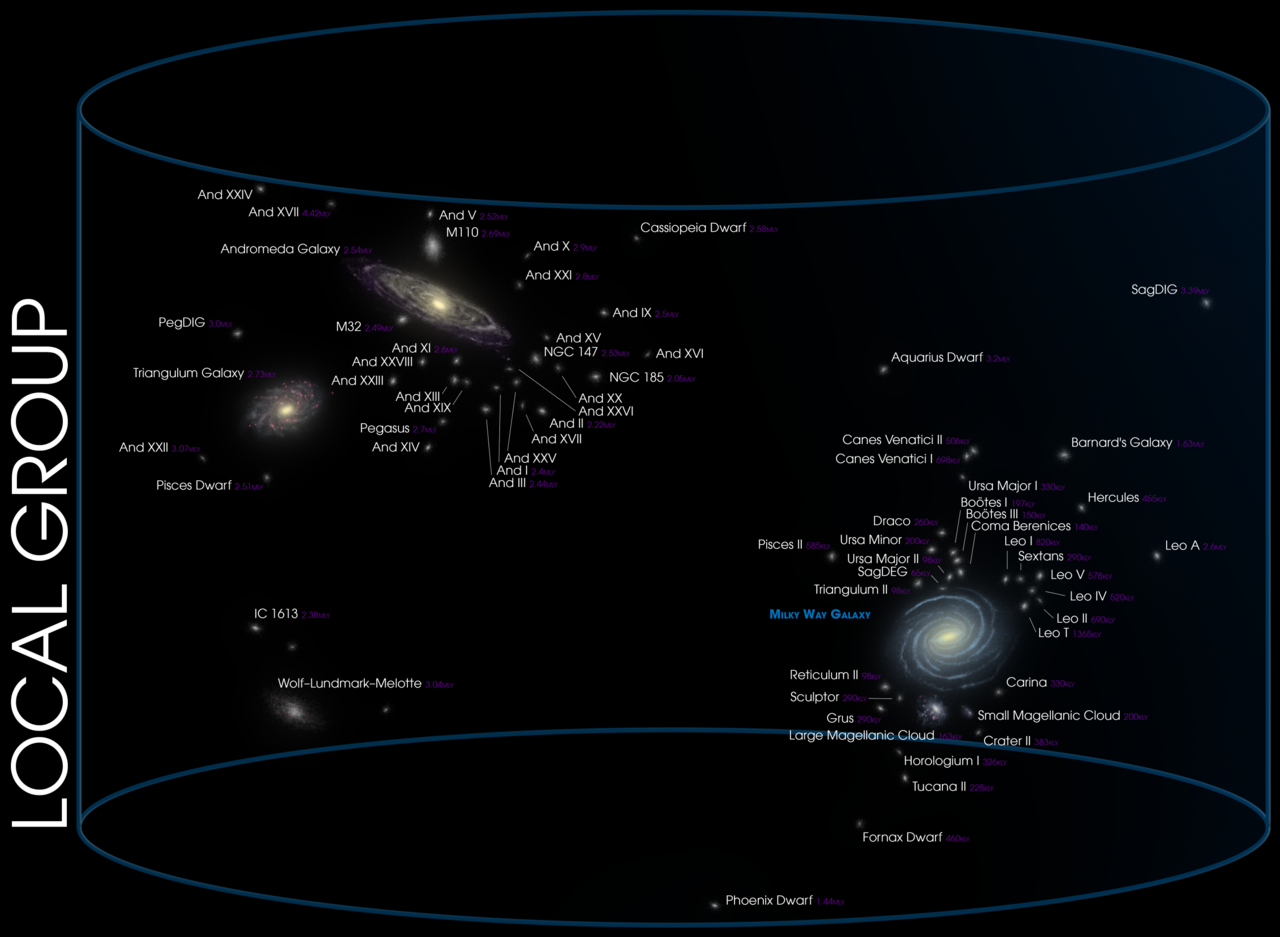
Space is characterized by extremely low particle density, very low pressure, and an environment dominated by vacuum, ionizing radiation, and microgravity. Temperatures can vary widely depending on solar illumination. Large-scale structure in space is organized hierarchically: matter clumps into stars and planets around gravitational centers, those systems form part of galaxies, and galaxies themselves arrange into clusters and filaments. The objects that occupy space are collectively referred to as celestial bodies.
Boundary and near-Earth environment
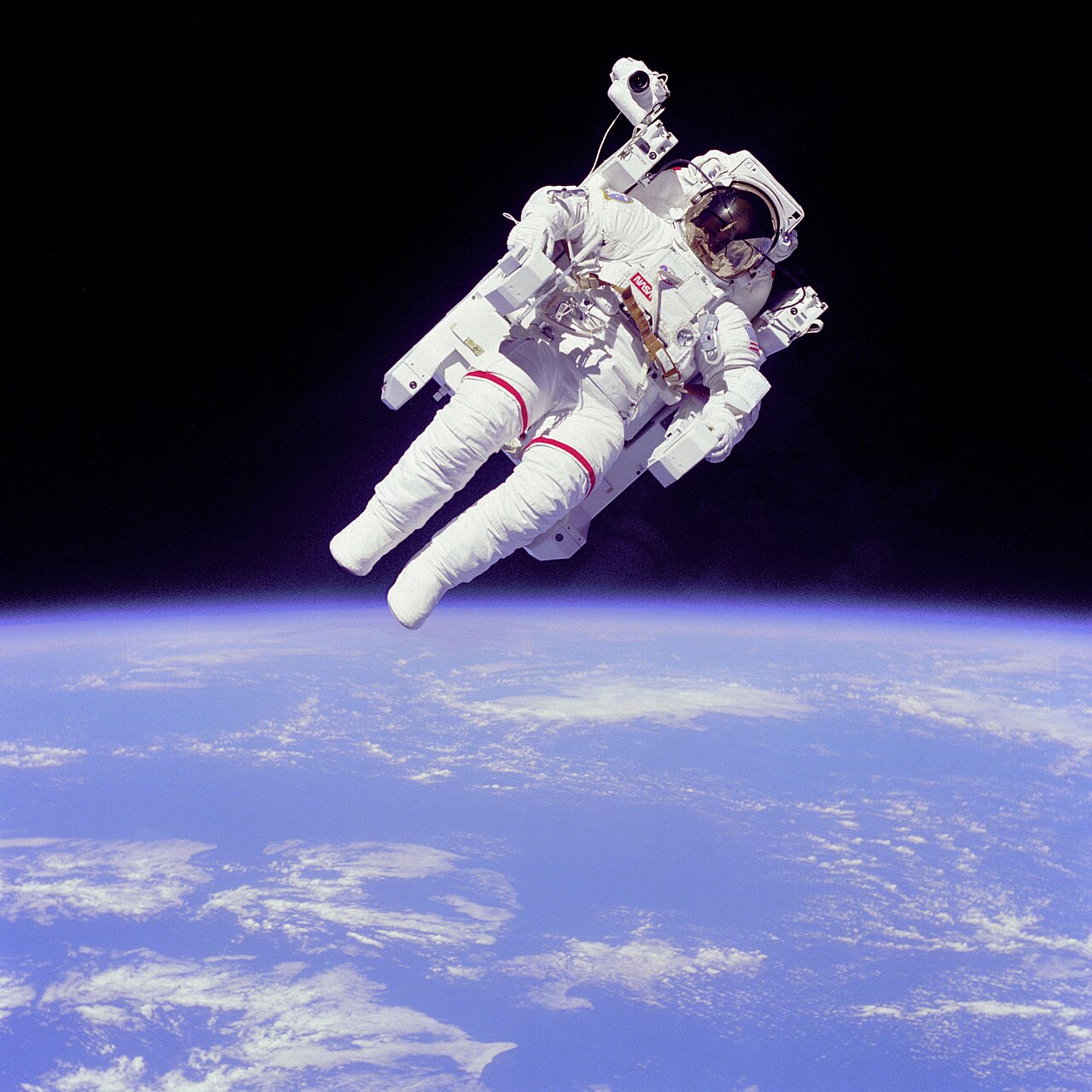
There is no exact natural boundary between atmosphere and space. For many legal and technical purposes, the Kármán line — set at 100 km above sea level — is used as a conventional border: Kármán line. This convention relies on an accepted altitude reference such as sea level and on understanding of how Earth’s atmosphere thins with height. The region close to Earth contains artificial satellites, debris, and transient plasma, making near-Earth space relatively crowded by astronomical standards; the planet itself is central to many practical aspects of space activity: Earth.
History and exploration
Human understanding of space evolved from early astronomy to modern astrophysics and spaceflight. Observational advances revealed the scale and composition of distant objects; later, rocketry and satellites allowed direct access to the near-space environment. Over recent decades, robotic probes, telescopes, and crewed missions expanded knowledge of planetary systems and the wider cosmos while establishing infrastructure in low Earth orbit.
Uses, importance, and notable distinctions
- Scientific discovery: space enables the study of fundamental physics, cosmology, and planetary science.
- Practical services: satellites support navigation, communications, weather forecasting, and Earth observation.
- Commercial and cultural impact: private companies, international cooperation, and legal frameworks shape activity beyond atmosphere.
Notable facts include the practical convention of where space begins, the hierarchical structure from particles to galactic filaments, and the contrast between near-Earth orbital traffic and the vast emptiness of interstellar distances. Further background and educational resources are available through a number of introductory links and portals: vacuum overview, what are celestial bodies, and specialized entries on planets, stars, and galaxies. For regional or regulatory questions about where space begins see Kármán line and materials on Earth, sea level, and atmospheric layers.
Questions and answers
Q: What is space?
A: Space is the near-vacuum that exists between celestial bodies.
Q: What is found in space?
A: Everything, including planets, stars, galaxies, and other objects, is found in space.
Q: Where does space begin on Earth?
A: Space is said to begin at the Kármán line, which is 100 km above sea level and where Earth's atmosphere ends.
Q: Is the Kármán line a natural boundary?
A: No, the Kármán line is not a natural boundary but rather a convention used by scientists and diplomats.
Q: How crowded is space near Earth compared to astronomical standards?
A: Space near Earth is quite crowded by astronomical standards.
Q: Can you provide a list of things found in space?
A: The things found in space include planets, stars, galaxies, and other objects.
Q: What is the Kármán line?
A: The Kármán line is a boundary in Earth's atmosphere, 100 km above sea level, where space is said to begin.
Related articles
Author
AlegsaOnline.com Outer space: overview, structure, history, and importance Leandro Alegsa
URL: https://en.alegsaonline.com/art/73654
Sources
- link.springer.com : link.springer.com/article/10.1007/BF02101697