
Smoke: composition, hazards, uses, and distinguishing features
An overview of smoke: what it is, what it contains, health and environmental effects, historical and cultural uses, safety advice, and how smoke differs from fumes or vapors.
Overview
Smoke is the visible and invisible material produced by combustion. It consists of a mixture of tiny solid particles (commonly called soot), liquid droplets and gaseous compounds released when organic or inorganic material burns. Some people describe smoke simply as a cloud of particles; more detailed explanations note that the exact makeup depends on the fuel and the temperature of the fire. For additional background on basic definitions see basic combustion resources.
Image gallery
10 Images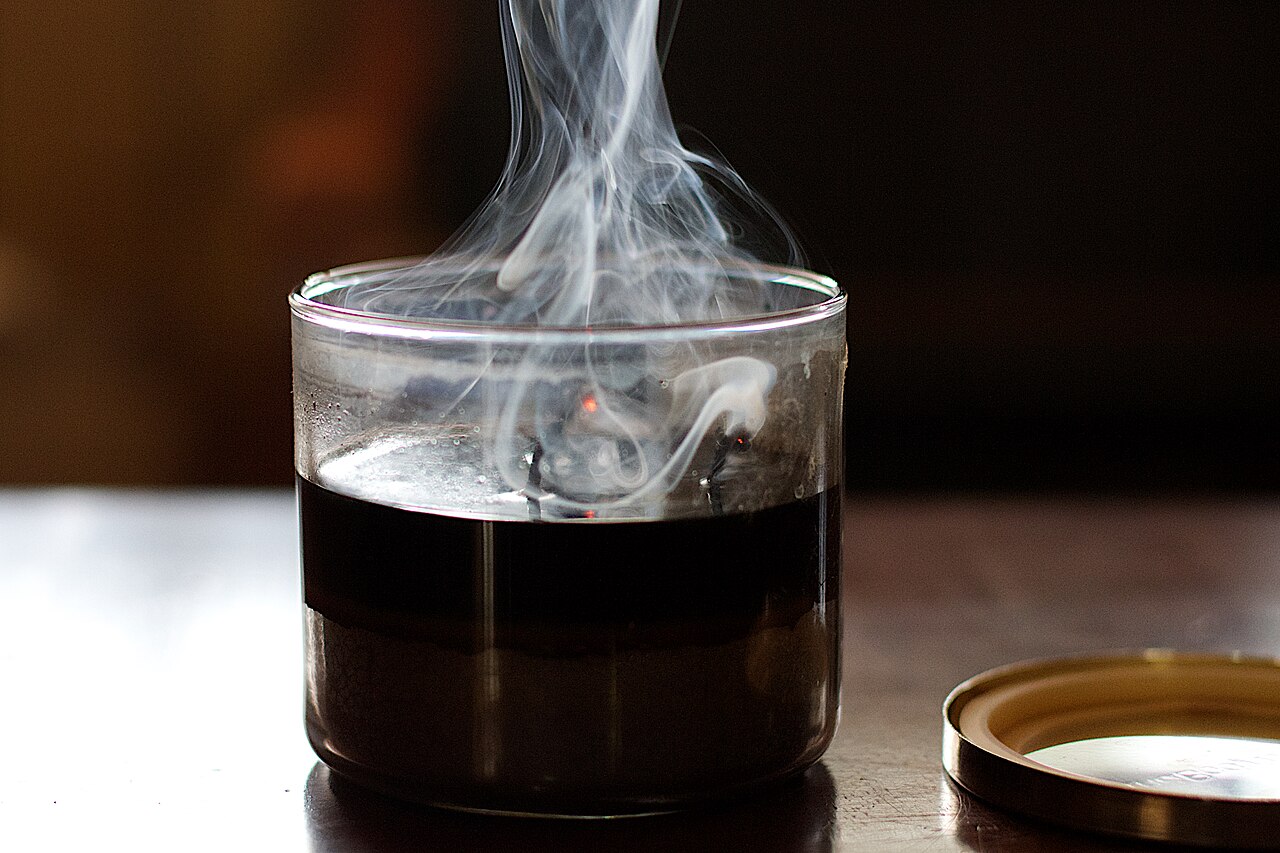




Characteristics and components
Typical components of smoke include carbonaceous particles, unburned hydrocarbons, water vapor, carbon dioxide and gases such as carbon monoxide and nitrogen oxides. Particle size varies from relatively large, visible flakes to ultrafine particles that can remain suspended for long periods. The color, odor and density of smoke change with fuel type, moisture content and how completely combustion occurs. For information on common components, consult composition guides.
History and cultural uses
Humans have used smoke for millennia: to preserve and flavor food (smoking meats and fish), to repel insects, for cooking, and in ritual or signaling contexts. Smokehouses and smoke-rich culinary traditions appear across many cultures, and smoke has long served as a visible signal in landscapes and at sea. Anthropological and culinary histories often cover these practices; see a general overview at historical uses.
Health, safety, and first aid
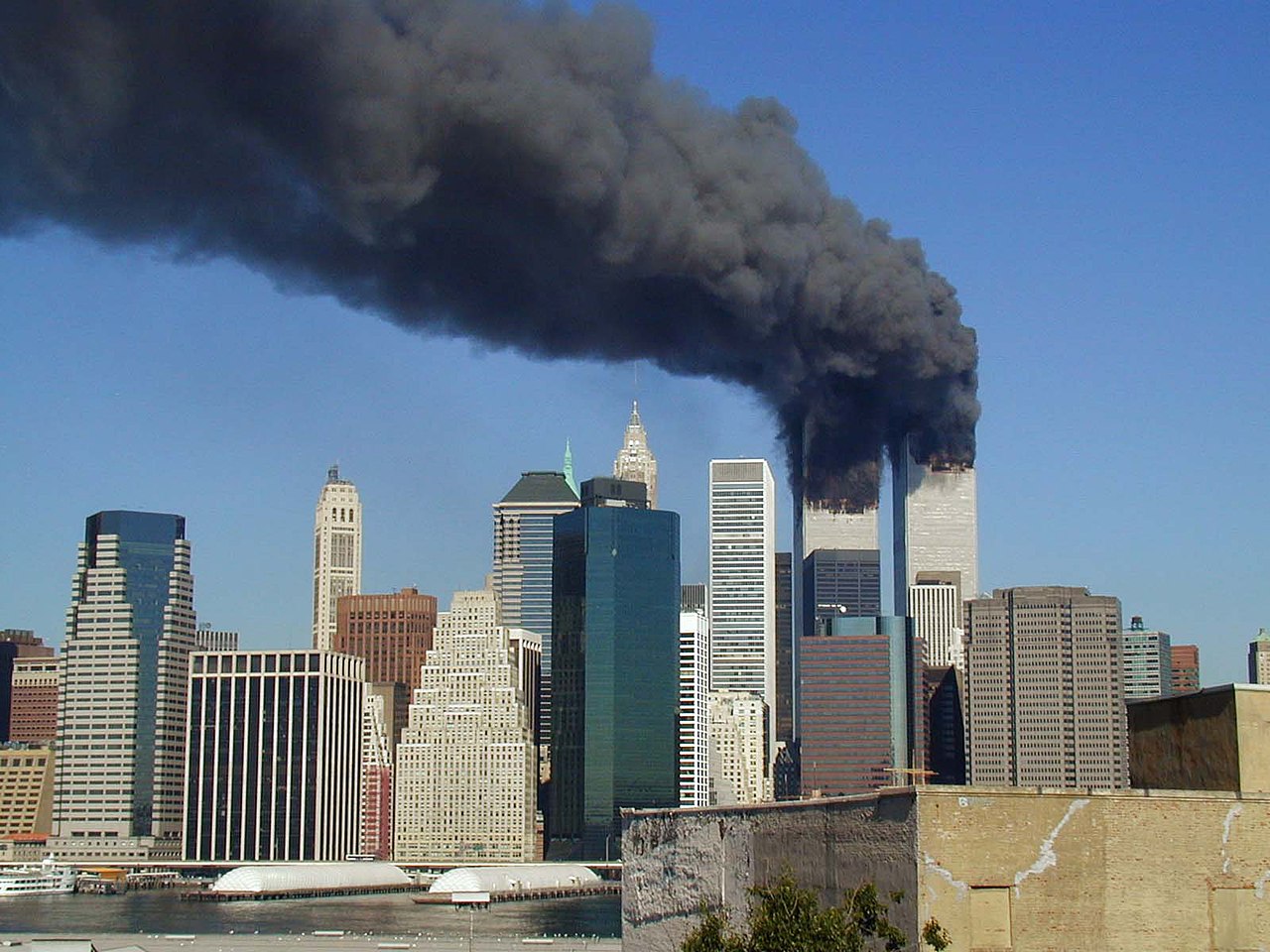
Inhaling smoke can irritate eyes and airways, worsen chronic respiratory conditions and, in high concentrations, be lethal. Carbon monoxide in smoke can cause poisoning because it reduces the blood's ability to carry oxygen. Fine particulate matter can penetrate deep into the lungs and contribute to cardiovascular and pulmonary disease over time. Basic safety measures include removing people from smoky environments, using proper ventilation, and relying on alarms and emergency services during fires. For safety guidance see health and safety resources.
Environmental effects and notable distinctions
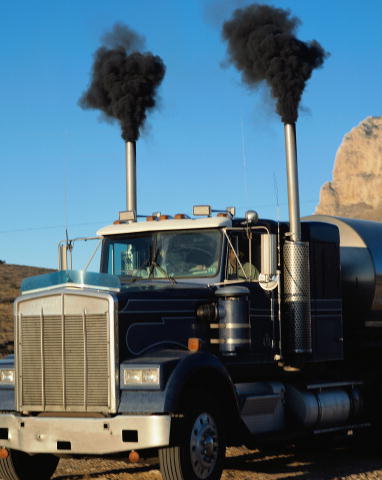
Smoke from wildfires, industrial stacks and vehicles contributes to air pollution and can form smog. Black carbon (soot) absorbs sunlight and can affect climate when deposited on snow or ice. It is useful to distinguish smoke from related terms: "fumes" often refer to gaseous emissions from chemicals, "vapor" denotes condensed gas, and "aerosol" is a broader category that includes liquid droplets and solid particles suspended in air. For environmental perspectives, see environmental summaries.
Practical notes and mitigation
When encountering smoke indoors, prioritize evacuation and call emergency services for a fire. In non-emergency situations, improving ventilation, using particle-filtering respirators (e.g., N95) and reducing exposure time lower risk. Controlling sources—using efficient combustion, filters on chimneys and avoiding open burning where prohibited—reduces both local harm and wider pollution. Understanding the source and composition of smoke helps determine the best response and prevention strategies.
- Key facts: Smoke is a mix of particles and gases; health impact varies by composition and exposure.
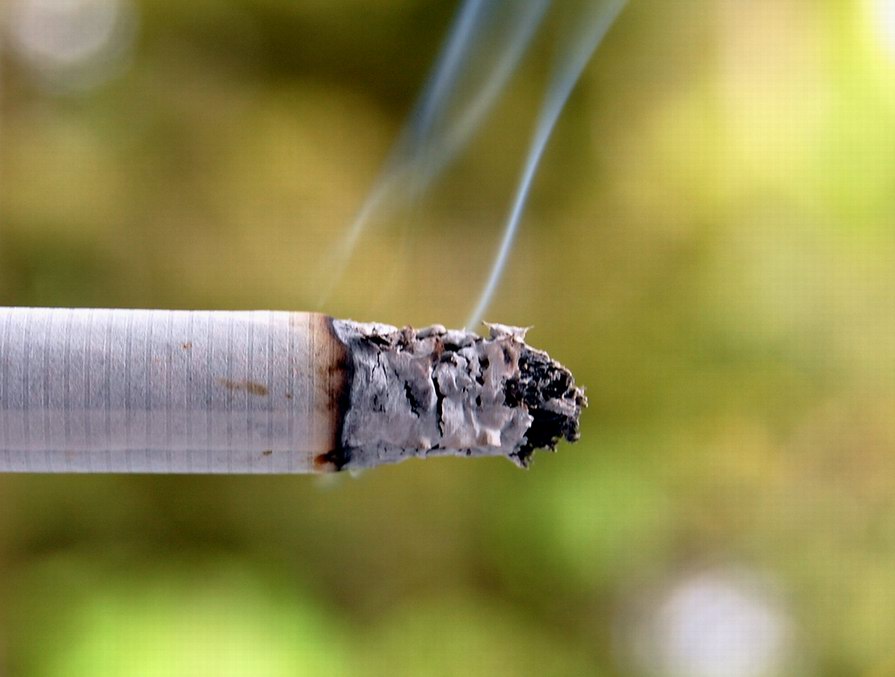
- Common examples: household fires, cigarette smoke, chimney emissions, wildfires, incense.
- Safety tips: avoid inhalation, evacuate during fires, use alarms and proper protective equipment.
Related articles
Author
AlegsaOnline.com Smoke: composition, hazards, uses, and distinguishing features Leandro Alegsa
URL: https://en.alegsaonline.com/art/91255