
Air pollution: causes, effects, history, and responses
Air pollution is contamination of the atmosphere by harmful particles and gases. This article explains common pollutants, sources, health and environmental impacts, history, and ways to reduce harm.
Overview
Air pollution is the presence of gases, particles or biological materials in the atmosphere at levels that reduce air quality and can harm human health, animal life, vegetation and built environments. Simple sources include visible smoke from combustion and less obvious sources such as chemical vapours. Major chemical categories include oxides and organic compounds — for example oxide pollutants produced when fuels burn and carbon-containing gases released by engines and industrial processes. Nitrogen compounds also play a central role: emissions of nitrogen oxides can form smog and acid deposition.
Image gallery
10 Images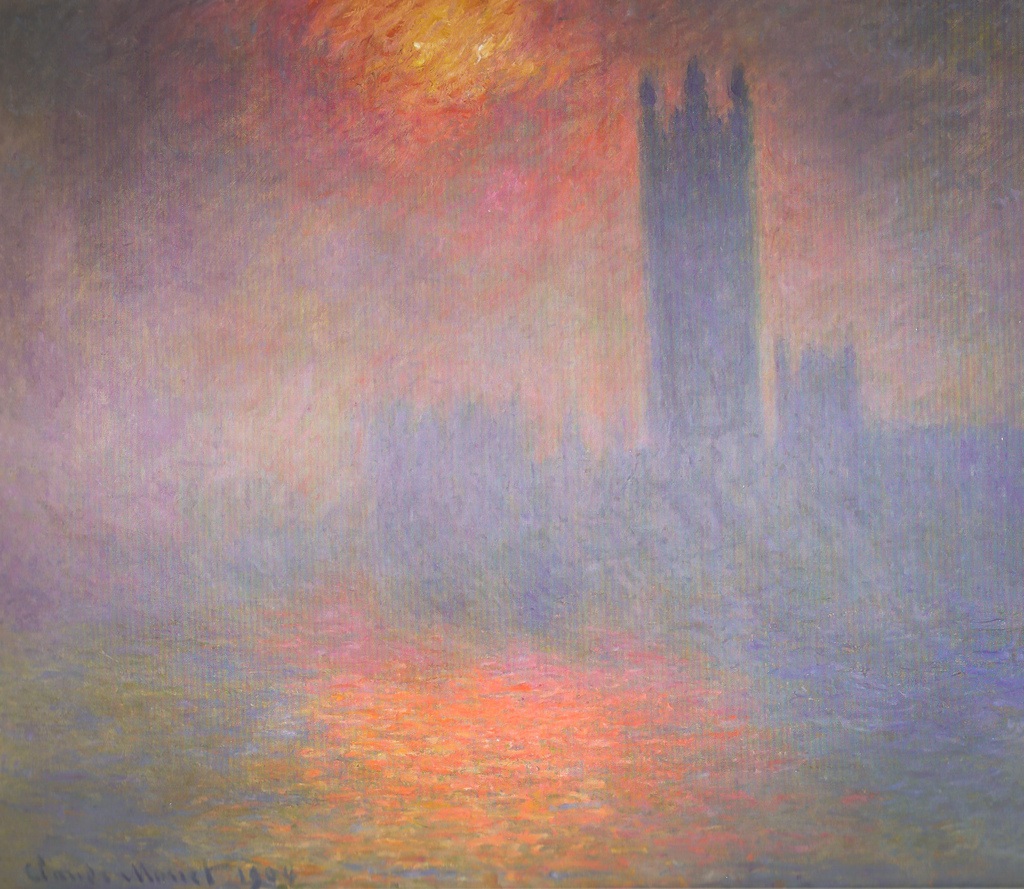


Key characteristics and common pollutants
Air pollution is typically described by pollutant type, source and spatial scale. Common pollutants include:
- Particulate matter — a mix of fine and coarse particles that can penetrate the respiratory system.
- Oxides of carbon, sulfur and nitrogen — gases produced by combustion and industrial chemistry (oxides, carbon, nitrogen).
- Ozone and secondary pollutants — formed in the atmosphere from precursor gases under sunlight.
- Volatile organic compounds and toxic metals — emitted by solvents, fuels and some manufacturing processes.
History and development
Concerns about poor air quality are not new. Ancient urban centres recorded smoke and odours: Roman writers complained about the haze over cities and smells from drains and workshops (Romans, sewers). With the Industrial Revolution, large-scale coal burning and factory emissions elevated concentrations of smoke and sulphur compounds. Local episodes such as dense winter smogs in industrial cities prompted early regulation. Traditional household practices like heating and cooking with open flames also contributed to exposure (fires).
Impacts on health, climate and ecosystems
Air pollution affects health across all ages: it aggravates respiratory and cardiovascular conditions, increases illness and can reduce life expectancy. Public health agencies highlight these health risks as a leading environmental cause of disease. Beyond people, pollutants alter soil and water chemistry and impair biodiversity — consequences for ecosystems and food chains. Some pollutants also act as greenhouse agents or interact with climate processes, producing broader planetary effects (Earth).
Monitoring, regulation and responses
Governments and researchers track air quality with networks of sensors, emission inventories and modelling. Regulatory approaches set concentration limits, control emissions from vehicles and industry, and promote cleaner fuels and technologies. International frameworks address transboundary pollution and encourage best practices for urban planning and transport.
Practical measures and notable distinctions
Reducing exposure and emissions involves actions at individual, community and policy levels. Practical steps include improving ventilation, using cleaner energy and fuels, adopting low-emission transport, and supporting policies that limit industrial emissions. It is important to distinguish indoor from outdoor pollution: indoor sources (cooking, tobacco, household products) can cause high personal exposures even when outdoor air appears clean. For further background and definitions see definition resources and technical overviews (carbon chemistry, nitrogen processes, oxide reactions). Broader historical and public-health perspectives are available in summaries on urban air quality and sanitation (history, sanitation links), and on strategies to reduce harm (health guidance, planetary implications, ecosystem protection).
Questions and answers
Q: What is air pollution?
A: Air pollution is a type of environmental pollution that affects the air and is usually caused by smoke or other harmful gases, mainly oxides of carbon, sulphur, and nitrogen.
Q: What is the cause of air pollution?
A: Air pollution is caused by the presence or introduction of a substance that has a poisonous effect, such as harmful gases like carbon oxide, sulphur, and nitrogen.
Q: What are the harmful effects of air pollution?
A: Air pollution can be a danger to human health and Earth's many ecosystems, causing respiratory problems and long-term damage to the environment.
Q: Which cities are affected by air pollution?
A: Many of the world's large cities today have polluted air or low air quality and complain about it on a daily basis.
Q: Who complained about air pollution 2,000 years ago?
A: The Romans were complaining about the polluted air in their cities 2,000 years ago when the air was thick with smoke from fires and the smell of sewers.
Q: Can air pollution be classified as a danger to human health?
A: Yes, air pollution has been classified as a danger to human health and Earth's many ecosystems for a long time.
Q: What causes the contamination of air?
A: The contamination of air is caused by the presence or introduction of a substance which has a poisonous effect, leading to its pollution.
Tags
Related articles
Author
AlegsaOnline.com Air pollution: causes, effects, history, and responses Leandro Alegsa
URL: https://en.alegsaonline.com/art/1645
Sources
- guardian.co.uk : "Study links traffic pollution to thousands of deaths"
- who.int : Estimated deaths & DALYs attributable to selected environmental risk factors, by WHO Member State, 2002
- eurekalert.org : "Newly detected air pollutant mimics damaging effects of cigarette smoke"