
Wing: structure and function in animals and aircraft
A wing is a surface that produces lift for flight. This article explains biological and aircraft wings, their parts, how they generate lift, historical development, uses, and notable differences.
Overview
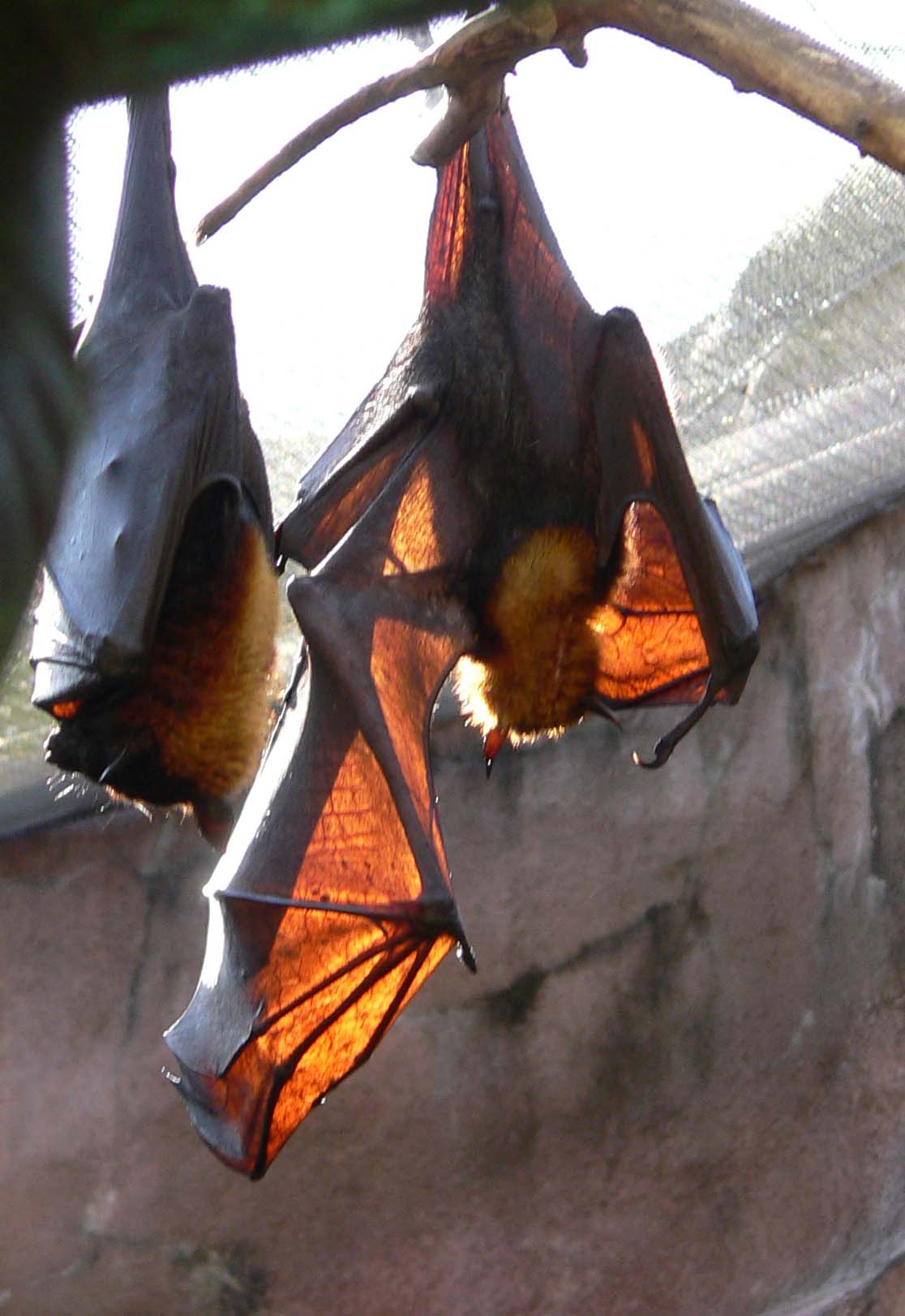
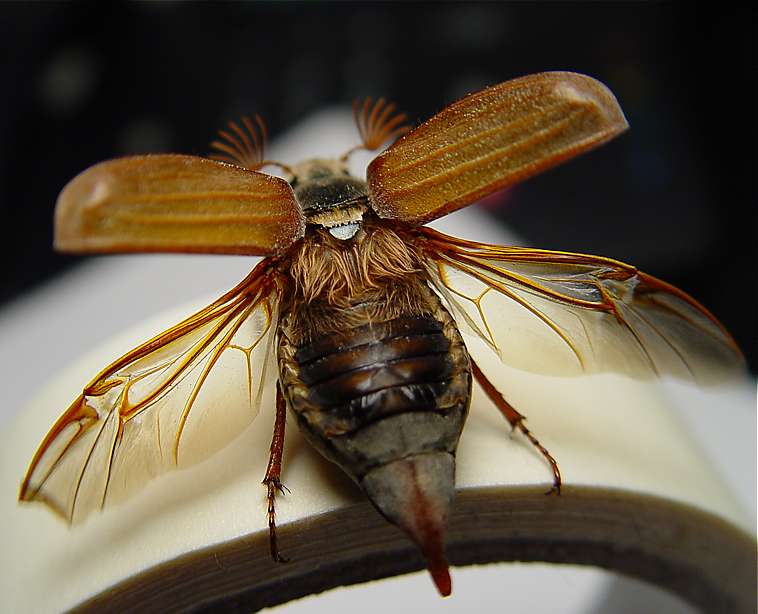
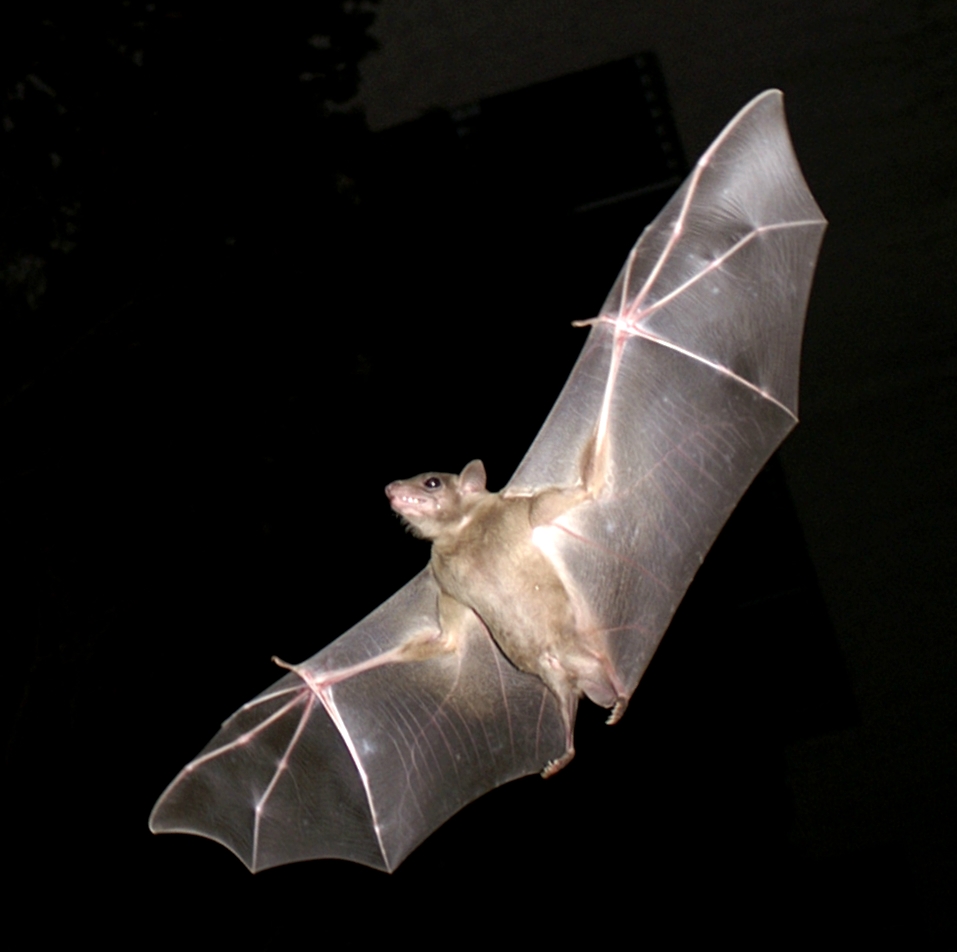
A wing is a specialised surface that enables controlled movement through a fluid, most commonly air. In biology, a wing is a limb or outgrowth used by birds, bats, insects and some extinct reptiles to fly or glide; see animal. In engineering, a wing is the aerodynamic component of an airplane or other aircraft that produces lift and helps control motion.
Image gallery
10 Images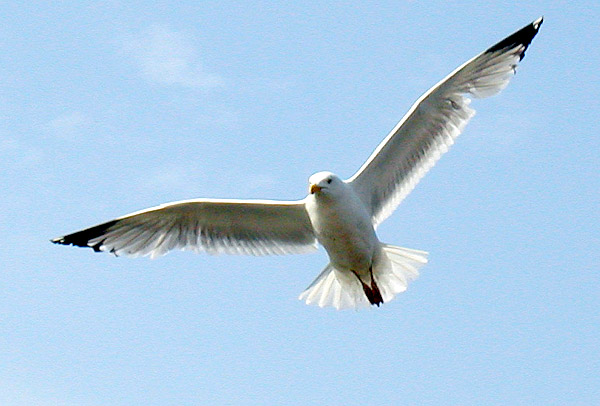




Structure and main parts
Wings vary widely in form and construction but share comparable roles. Biological wings often have a skeletal framework and either feathers or membranous skin. Aircraft wings are built around an airfoil shape and include identifiable elements such as the leading and trailing edges, span, chord, flaps and control surfaces.
How wings generate lift
Lift arises from the interaction of the wing surface with moving air. Both pressure differences (often described using Bernoulli's principle) and the deflection of airflow downward (Newtonian reaction) contribute. Pilots and animals change wing angle, camber or motion to manage lift, drag and stability.
History and development
Biological wings evolved independently in several lineages: insects, pterosaurs, birds and bats each developed distinct wing structures. Human design of wings progressed from simple gliders to powered aircraft; early experimenters developed control techniques that made sustained, controlled flight possible and led to diverse modern wing types.
Uses, examples and importance
Wings enable powered flight, gliding, hovering and aerial manoeuvres. In nature they serve additional roles such as courtship displays, thermoregulation and balance. In aviation, wing design determines range, speed, payload and handling, so engineers choose shapes to match mission needs.
Distinctions and notable facts
- Fixed wings (typical on airplanes) differ fundamentally from flapping wings (typical in birds and insects) in how lift and thrust are produced.
- Wing design involves trade-offs: a shape that is efficient at high speed may be poor for slow, agile flight.
- Wings are a prime example of convergent evolution in nature and convergent problem-solving in engineering.
For broader technical or biological details, consult specialised references or introductory texts on aerodynamics and comparative anatomy.
Related articles
Author
AlegsaOnline.com Wing: structure and function in animals and aircraft Leandro Alegsa
URL: https://en.alegsaonline.com/art/108572