
Tabouleh — Levantine parsley and bulgur salad
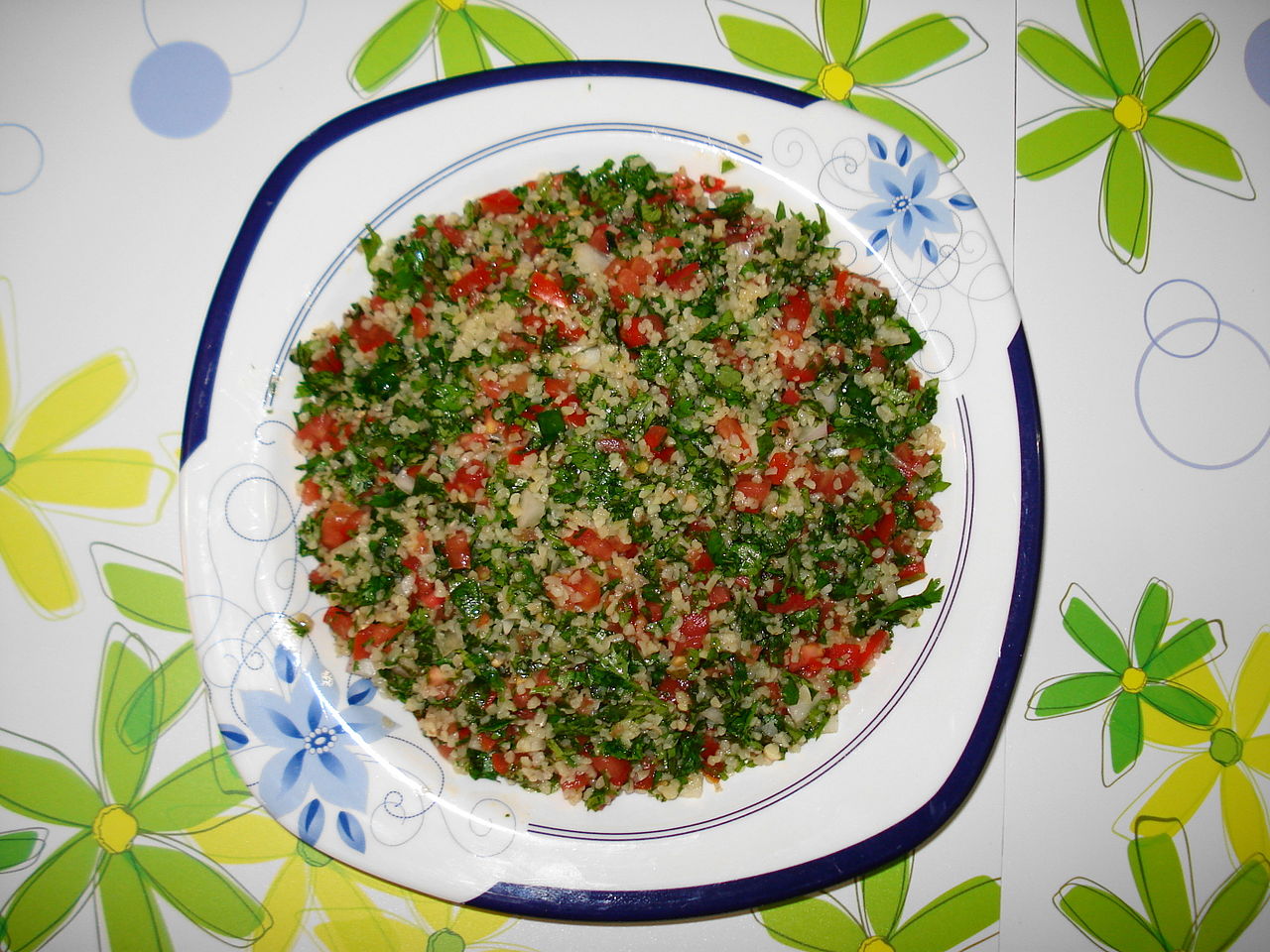
Tabouleh (tabbouleh) is a fresh Levantine salad of finely chopped parsley, bulgur, tomatoes and mint, dressed with olive oil and lemon. It is a staple of mezze and has regional variations across the Middle East.
Overview
Tabouleh (Arabic تبولة), often written tabbouleh or tabouli, is a traditional salad from the Levant. It is celebrated for its bright, herb-forward flavor and simple dressing of olive oil and lemon juice. Typical recipes balance fresh herbs, grain, vegetables and a tangy seasoning, producing a dish that is both refreshing and versatile.
Image gallery
4 Images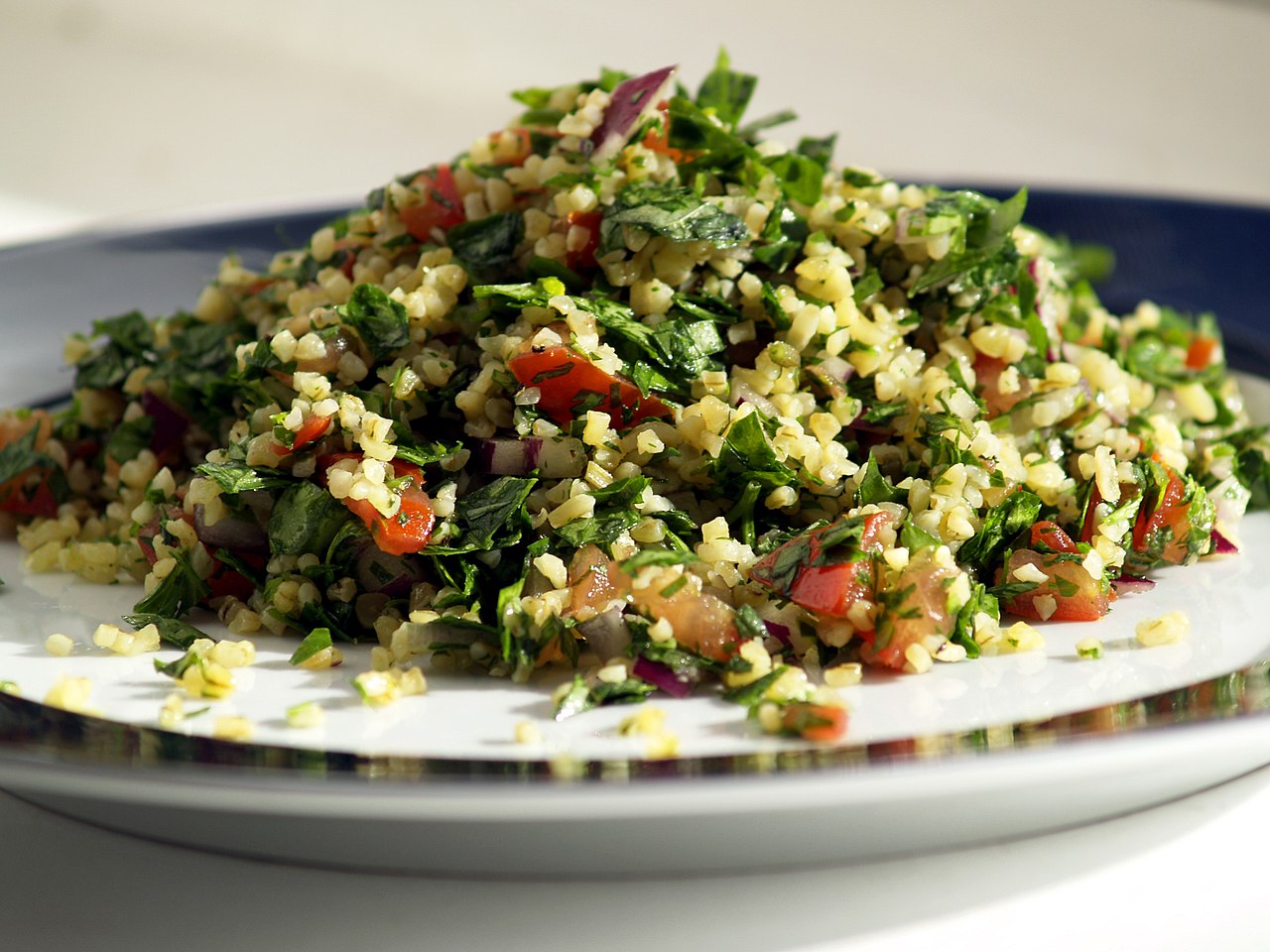


Ingredients and preparation
Classic tabouleh centers on a few core components. Ingredients commonly include:
- Parsley — the main ingredient in many Levantine versions, chopped very finely.
- Mint — adds aromatic freshness.
- Bulgur or alternatives such as couscous soaked briefly to soften.
- Fresh vegetables: tomatoes and sometimes cucumber, plus onion and occasional garlic.
- Seasoning: Olive oil, lemon juice, and salt to taste.
Preparation emphasizes fine chopping and tossing rather than cooking; flavors are allowed to meld so the dressing lightly coats the herbs and grain.
History and regional development
Tabouleh has roots in the mountainous areas of Syria and Lebanon, and spread throughout the Middle East. Over time it became a staple across the Arab world and an emblematic dish of Levantine cuisine. As emigrants carried recipes abroad, tabouleh gained popularity in Western countries and globalized into many household variations.
Serving, variations and cultural role
Tabouleh is commonly served as part of a meze spread alongside dips, breads and grilled items. Regional differences exist: some areas use more bulgur and treat it as a grain salad, while Lebanese preparations often emphasize herbs over grain. In countries such as Jordan and Palestine it appears frequently at family meals and festive tables.
Notable facts and uses
Beyond being a cold side dish, tabouleh is valued for its balance of fiber, vitamins and healthy fats when dressed with olive oil. Modern cooks substitute grains (quinoa, millet) to adapt to dietary preferences while preserving the characteristic parsley-lemon profile. For recipes and regional notes, see further resources linked here: name, type, key herb, aromatic, allium, seasoning, fat, acid, salt, grain option, origin 1, origin 2, region, global spread, cultural region, country, country, meze.
Related articles
Author
AlegsaOnline.com Tabouleh — Levantine parsley and bulgur salad Leandro Alegsa
URL: https://en.alegsaonline.com/art/95812
Sources
- books.google.com : 1,001 Foods to Die For
- books.google.com : Middle Eastern Kitchen
- books.google.com : Mediterranean Vegetables