
Meze: Eastern Mediterranean small plates and social dining tradition
Meze are small shared dishes from the Eastern Mediterranean and Middle East served as appetizers or a communal meal, often with anise-flavoured liqueurs or wine and varying by region and occasion.
Overview
Meze (also spelled mezze) refers to a collection of small dishes served as starters or as a shared meal across the Eastern Mediterranean, the Levant and parts of the Balkans and Caucasus. The word traces to Persian and Turkish roots meaning "taste" or "to taste," reflecting the practice of sampling many flavors in a single sitting. Meze can be a prelude to a main course or the main event in a long, social meal.
Image gallery
10 Images


Characteristics and common dishes
Meze is defined by variety and communal sharing. Plates are typically modest in size and designed for passing around the table. Ingredients emphasize fresh vegetables, legumes, cheeses, grains and grilled meats or seafood. Typical examples include:
- Hummus, baba ghanoush and other purées of chickpeas or eggplant
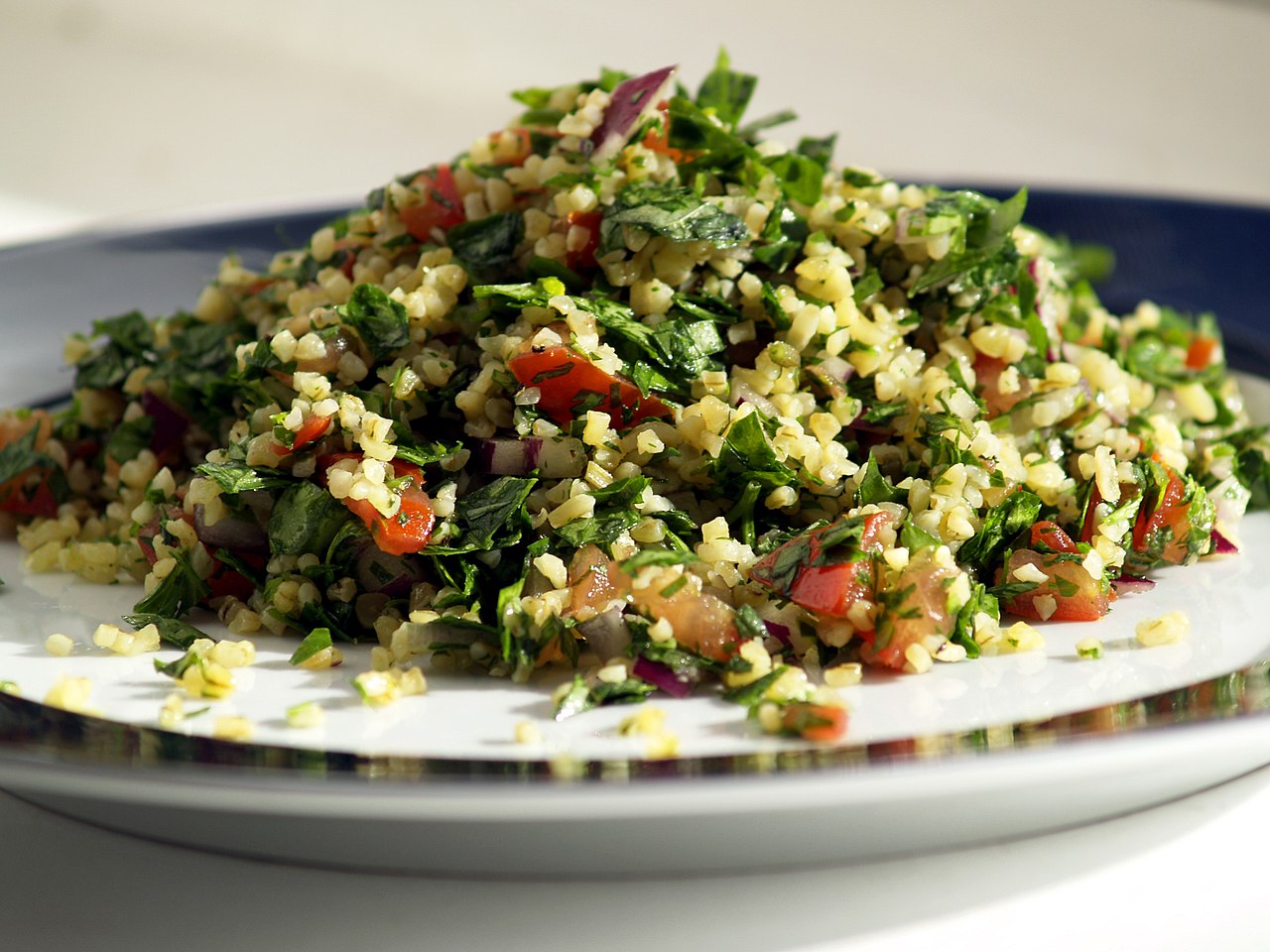
- Tabbouleh, fattoush and other salads
- Stuffed grape leaves (dolma) and fried or baked pastries
- Olives, cheeses such as feta or halloumi, and grilled vegetables
- Small skewers, meatballs or seafood served hot
Regional variations and history
Different regions adapt the meze concept to local tastes and ingredients. In Levantine cuisines and across the Caucasus, sequences of small dishes are an integral part of large gatherings. In Armenia and Georgia many meze-style dishes appear alongside breads, cheeses and pickles as part of banquet-style dining. The practice evolved over centuries as trade and cultural exchange spread recipes and techniques across the region.
Drinks and social role
Meze is often paired with drinks. Anise-flavoured spirits such as arak, ouzo or raki are traditional companions, as are a range of wines. Depending on local customs and religion, meze may be served without alcohol; in the Arab world it is commonly referred to as muqabbilat, meaning "starters." The format encourages conversation and leisurely eating rather than a quick snack.
Comparisons and notable facts
Meze is often compared with the Spanish tapas or general finger food, but there are distinctions: meze typically emphasizes shared plates and regional recipes within a social meal context, while tapas range from informal bar snacks to an entire meal in Spain. Today meze has spread globally through restaurants and home cooking, prized for its diversity, communal nature and adaptability to vegetarian, vegan and meat-based diets.
Related articles
Author
AlegsaOnline.com Meze: Eastern Mediterranean small plates and social dining tradition Leandro Alegsa
URL: https://en.alegsaonline.com/art/64357
Sources
- m-w.com : definition of meze