
Arabic language (al-ʿarabiyyah)
A Semitic language of the Arab world, with hundreds of millions of speakers, diverse regional varieties, a consonant-root morphology and a classical literary standard shaped by the Quran.
Overview
Arabic (al-ʿarabiyyah) belongs to the Semitic branch of languages and is related to other ancient tongues of the region such as Hebrew and Aramaic. It is spoken natively by more than 300 million people and can be understood as a second language by many others (native speaker estimates, second-language figures). Arabic uses a script written from right to left and is typically described as an abjad, a consonant-centred writing system. The language remains widely used across the Middle East and North Africa and is one of the six official languages of the United Nations alongside English, French, Spanish, Russian and Chinese (UN languages).
Image gallery
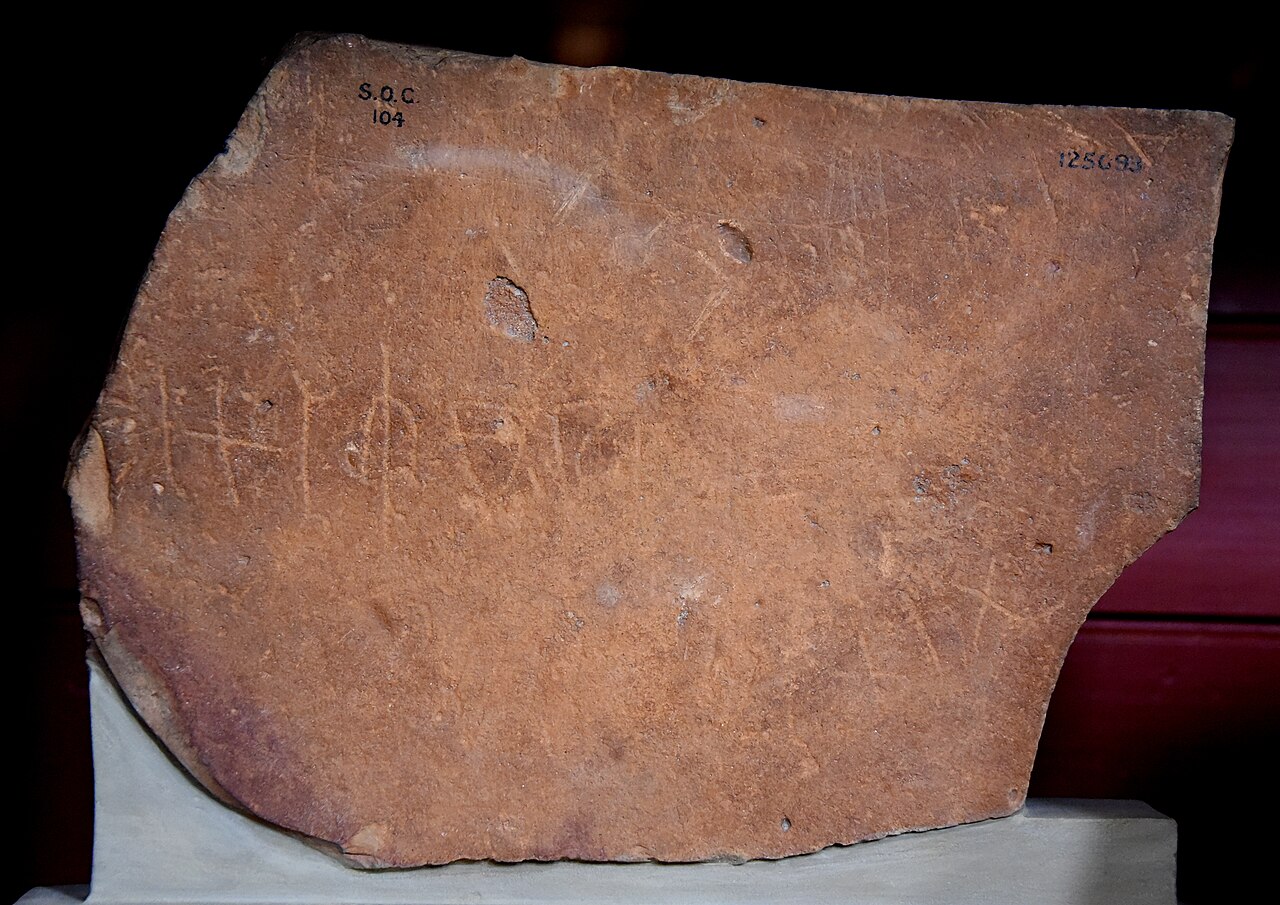
6 Images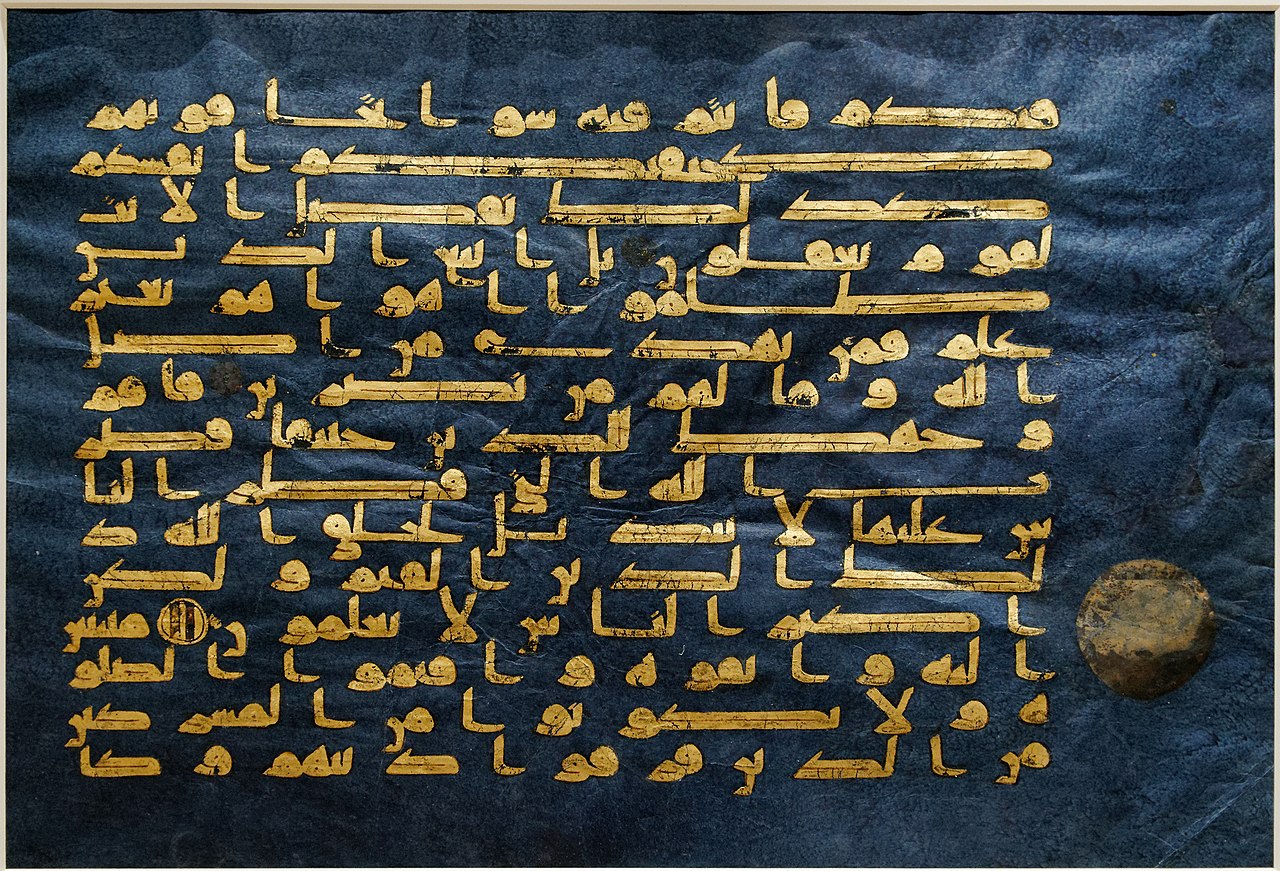


Characteristics and varieties
Arabic is notable for a root-and-pattern morphology: many words are formed from triconsonantal roots that are fitted into vocalic and affix patterns to express grammatical and lexical meanings. This system gives the language a compact, derivational structure and flexible word-formation. Modern descriptions of Arabic discuss both a standardized written form, known as Modern Standard Arabic or MSA, and numerous spoken dialects. Colloquial varieties include Egyptian Arabic, Gulf dialects, Levantine forms, and diverse North African or Maghrebi dialects; these varieties can differ enough that mutual comprehension is sometimes challenging. The language's grammar and phonology present particular challenges for speakers of many Indo-European languages, which is one reason Arabic teaching in the West has grown in recent decades (interest in learning).
History and development
Arabic evolved in the Arabian Peninsula. Early inscriptions and dialects are attested from the first millennium BCE to the early centuries CE, and the form known as Classical Arabic was shaped in the late antique and early medieval periods. The Quran, the central scripture of Islam, played a decisive role in standardizing the written language; Muslims regard the Arabic of the Quran as a model of eloquence, and the text influenced grammar and lexicography. The Islamic Golden Age also spread Arabic as a language of science, theology and administration, helping it to absorb and transmit terms across cultures (historical influence).
Uses, cultural importance and loanwords
Arabic functions across many domains: religious practice, literature, journalism, education, law and media. It has an extensive literary tradition that includes pre-Islamic poetry, medieval prose, and modern novels and journalism. Many languages borrowed vocabulary from Arabic during centuries of contact; common English words traceable to Arabic include sugar, cotton, magazine, algebra, alcohol and emir, reflecting exchanges in trade, science and administration.
Official status and where Arabic is spoken
Arabic is an official language in many countries across North Africa and the Middle East and is recognized in other states as well. The following states and entities list Arabic in an official or national capacity:
- Algeria
- Bahrain
- Comoros
- Chad
- Djibouti
- Egypt
- Eritrea
- Iraq
- Jordan
- Kuwait
- Lebanon
- Libya
- Mauritania
- Morocco
- Oman
- Palestine
- Qatar
- Saudi Arabia
- Somaliland
- Sudan
- Syria
- Tunisia
- United Arab Emirates
- Yemen
In some countries Arabic is also a national language alongside other official or regional languages.
Distinctive notes and learning
Arabic's script, its system of roots, and the coexistence of a formal written standard with many spoken varieties (a situation often called diglossia) make it typologically distinct from many European languages. Its centrality to Islamic worship and law means that many people learn Arabic for religious reasons, while others study it for careers in diplomacy, scholarship, media or trade. The language continues to evolve: modern literature, broadcast media, and the internet create new registers and spread features among dialects, while classical forms remain important in education and religious contexts. For general introductions and learning resources, see language surveys and academic overviews (comparative references, regional studies, religious context, theological notes, biographical references, angelic references, scriptural history).
Questions and answers
Q: What language family is Arabic a part of?
A: Arabic is a Semitic language, like Hebrew and Aramaic.
Q: How many people speak Arabic as their first language?
A: Around 292 million people speak it as their first language.
Q: How is the Arabic language written?
A: The Arabic language is written from right to left in a consonant alphabet, which is also called an abjad.
Q: What are the six official languages of the United Nations?
A: The six official languages of the United Nations are English, French, Spanish, Russian, Chinese and Arabic.
Q: Are all countries that use Arabic as an official language speaking it in the same way?
A: No, not all countries that use Arabic as an official language are speaking it in the same way. The language has many dialects or varieties such as Modern Standard Arabic, Egyptian Arabic, Gulf Arabian Maghrebi Arabi Levantine Arabi and many others.
Q: What religion is most prevalent in countries where Arabic is spoken?
A: In countries where Arabic is spoken, Islam is the largest religion.
Q: What English words can be traced back to their origins in theArabiclanguage?
A: Some English words that can be traced back to their origins in theArabiclanguage include sugar, cotton, magazine algebra alcohol and emir.
Related articles
Author
AlegsaOnline.com Arabic language (al-ʿarabiyyah) Leandro Alegsa
URL: https://en.alegsaonline.com/art/5135
Sources
- ethnologue.com : "Arabic - Ethnologue"
- unesco.org : "World Arabic Language Day"
- books.google.com : p. 492
- oed.com : "sugar, n."
- etymonline.com : "emir - Search Online Etymology Dictionary"
- en.oxforddictionaries.com : "emir - Definition of emir in US English by Oxford Dictionaries"
- merriam-webster.com : "Definition of EMIR"