
Salad: definitions, common ingredients, history, and preparation
An overview of salads: what they are, common components and dressings, historical development, typical variations and serving tips, plus notable distinctions and uses.
Overview
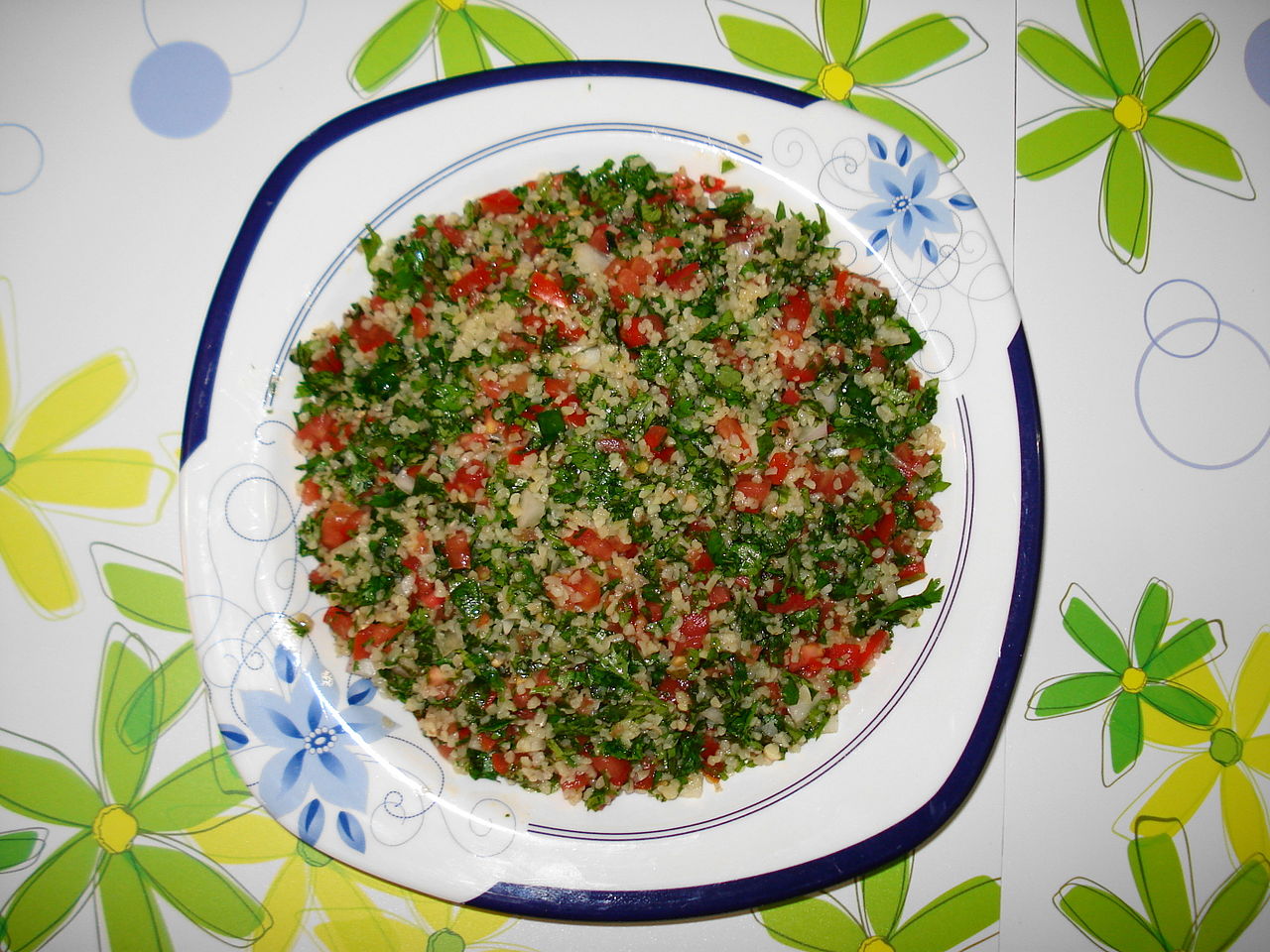
A salad is a dish typically composed of mixed ingredients, often served chilled or at room temperature as part of a meal. Salads range from simple arrangements of leaves and vegetables to composed plates that include proteins, starches and sauces. The term covers many forms — from green leaf salads to bound salads made with mayonnaise and grain or pasta salads served as side dishes.
Image gallery
10 Images




Common components and dressings
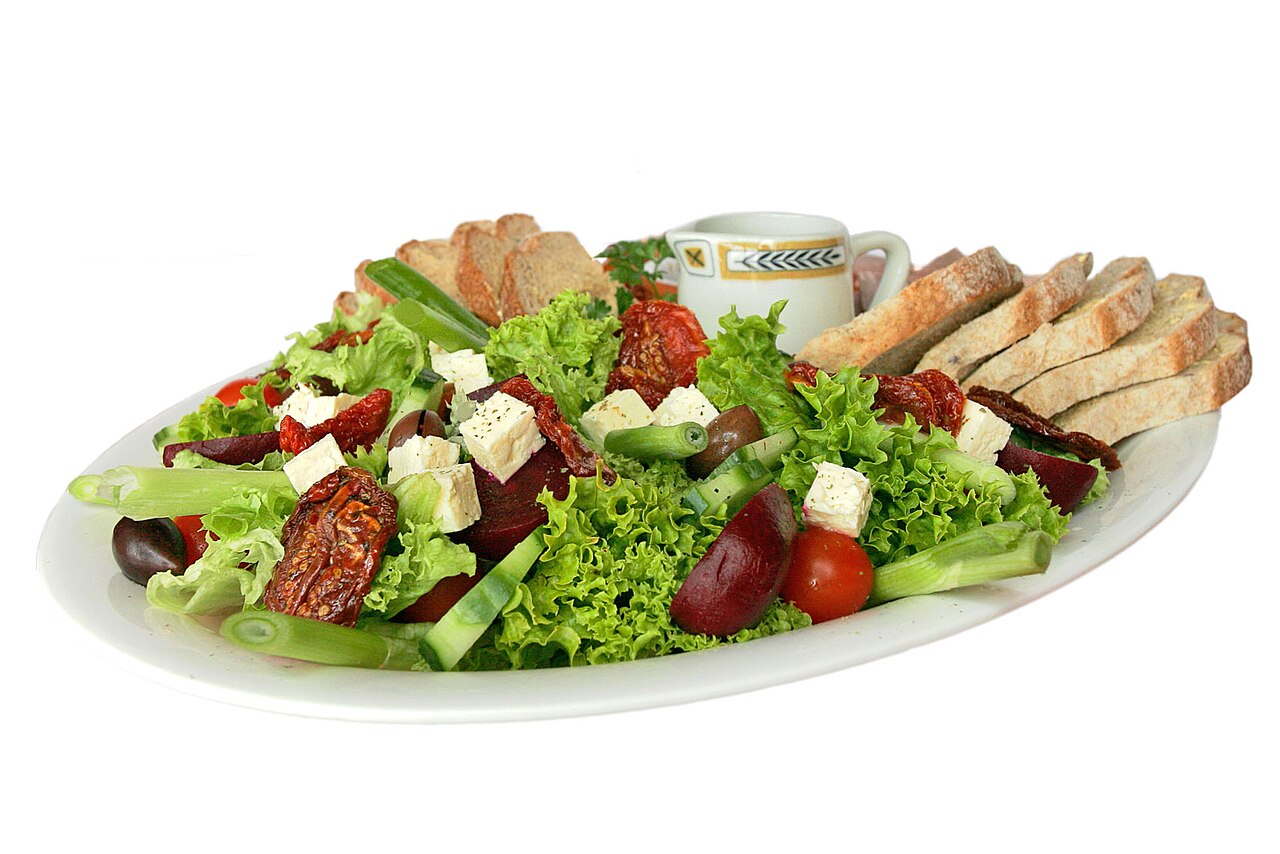
Most green salads begin with leaf vegetables such as lettuce or spinach. Typical raw additions include sliced tomato and raw onion. Salads are commonly finished with a dressing — a vinaigrette or creamy sauce made from oil, acid (vinegar or citrus), herbs and seasonings — which binds flavors and alters texture.
Typical add-ins and variations
Beyond vegetables, many salads incorporate protein, crunch or starch. Common additions include:
- Croutons or toasted bread for texture
- Bacon or other cured meats for savoriness
- Chicken or other cooked meats for protein
- Grated cheese and crumbled varieties for richness
- Tuna or other canned fish
- Cold pasta salads and grain-based salads
- Olives, pickles or brined items for acidity
- Cooked potatoes or roasted vegetables
- Rice-based salads and pulses like beans
History and development
Salads have ancient roots: people have long eaten raw or lightly prepared vegetables alongside grain and meat. Over centuries, salads evolved with regional ingredients and culinary technology. The modern concept of tossed green salads and emulsified dressings became popular in European and American cuisine in the 19th and 20th centuries, but many cultures maintain distinctive salad styles tied to local produce and preservation methods.
Uses, nutrition and serving
Salads serve multiple roles: a course to start a meal, a side that complements main dishes, or a complete entrée when enriched with protein and grains. Nutritionally they can be low-calorie and high in fiber, vitamins and minerals when based on vegetables; adding nuts, seeds, legumes and lean protein increases calorie density and satiety. Dressings dramatically affect calorie and sodium content, so portion and composition matter for dietary goals.
Notable distinctions and tips
Key distinctions include cold versus warm salads, composed versus tossed, and raw versus cooked ingredients. Simple tips for better results: balance texture (crisp, creamy), flavor (acid, fat, salt), and temperature; dress just before serving to prevent wilting; and consider cultural variations when combining ingredients. For further reading on preparation and recipes, consult regional cookbooks or ingredient guides via leaf vegetable resources and specialty references like tomato or pasta collections.
Questions and answers
Q: What is a salad?
A: A salad is a serving in a meal that includes leaf vegetables such as lettuce, spinach, or arugula. Uncooked or cold cooked vegetables that are sliced into small pieces (for example tomato or onion) are then mixed with the leaf vegetables.
Q: What are some examples of salads?
A: Some examples of salads include Greek salad, Caesar salad, and Nicoise salad.
Q: What is typically added to a salad?
A: Other foods such as croutons, bacon, chicken, grated cheese, tuna, pasta, olives, cooked potatoes, rice, or beans are typically added to a salad.
Q: What is used as a salad dressing?
A: A salad dressing or vinaigrette is usually used. It is a mixture of oil, herbs, spices, and flavorings.
Q: What kind of cheese is used in Greek salad?
A: Feta cheese is used in Greek salad.
Q: Are salads always cold?
A: Yes, salads are usually cold or uncooked.
Q: Can a salad include warm or cooked vegetables?
A: Yes, some salads may include warm or cooked vegetables, but they are typically served cold or at room temperature.
Related articles
Author
AlegsaOnline.com Salad: definitions, common ingredients, history, and preparation Leandro Alegsa
URL: https://en.alegsaonline.com/art/86386
Sources
- foodnetwork.com : "Wedge Salad"
- food.com : "Very Basic Fruit Salad"
- nytimes.com : "A Composed Salad is a Meal Unto Itself"
- cookthink.com : "What is a composed salad?"