
Mentha (mint): overview, characteristics, uses and cultivation
Mentha, or mint, is a group of aromatic flowering plants in the Lamiaceae family. Widely cultivated and hybridized, mints are used in cooking, medicine, fragrance and industry; many species are invasive.
Overview
Mentha, commonly called mint, is a small genus of aromatic herbaceous plants. Botanists recognize roughly 20–30 species and a large number of cultivated forms and hybrids; many commercial and garden types are treated as distinct cultivars. Mints are valued for their scent, flavor and essential oils and occur across temperate regions worldwide.
Image gallery
9 Images


Botanical characteristics
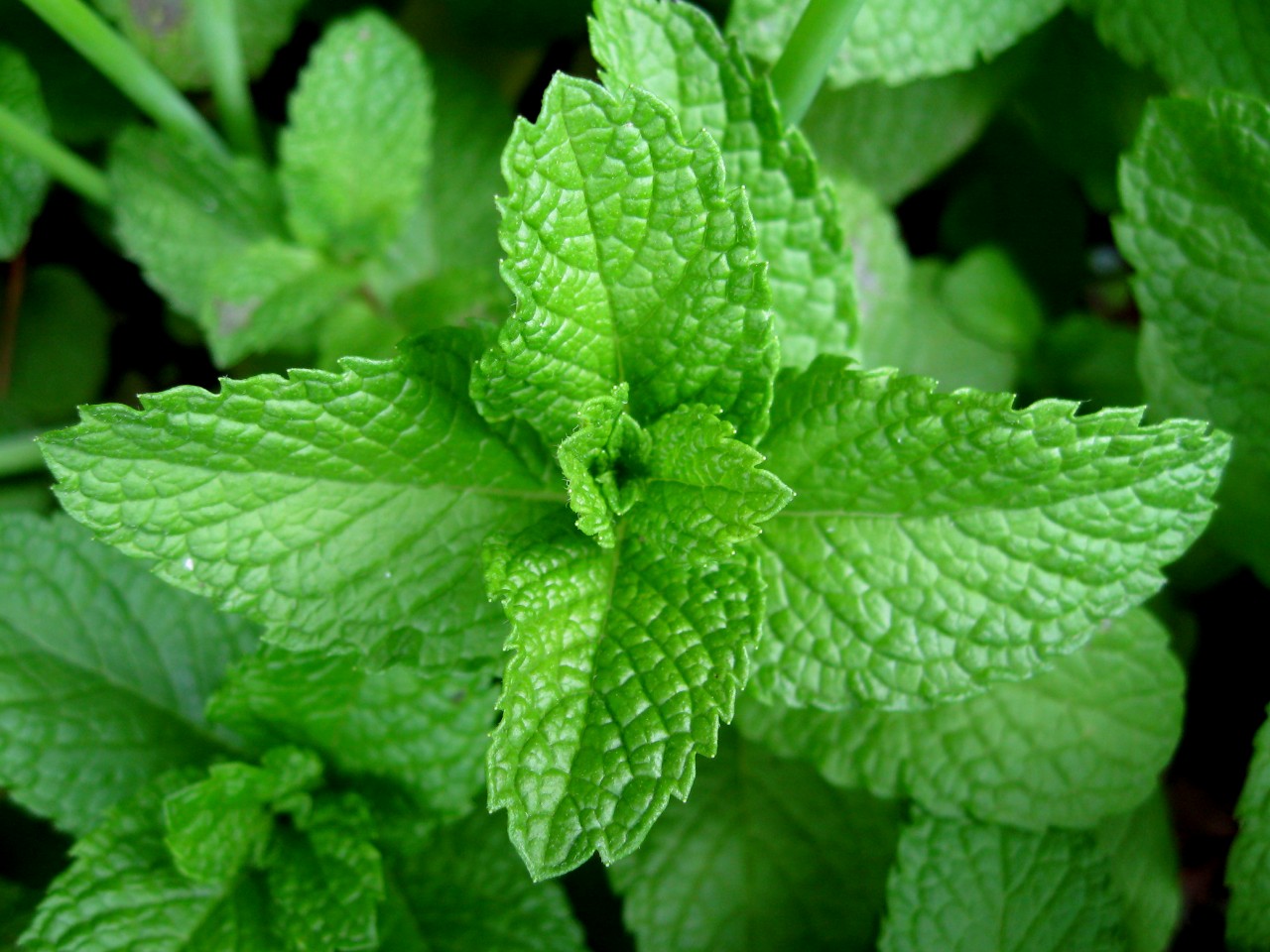
Members of Mentha are flowering plants with square stems, opposite leaves and terminal inflorescences. Leaves are typically aromatic because of oil glands; flowers range from white to pink or purple. Growth habit varies from low groundcover to erect clumps.
Taxonomy and history
The genus belongs to the family Lamiaceae, often called the mint family. Several species and hybrids have long histories of human use: ancient cuisine, herbal medicine and ritual contexts in Europe, Asia and the Middle East. The best-known hybrid, peppermint, arose from natural crossing between species.
Cultivation and ecology
Mint is easy to grow but can spread vigorously by runners and root fragments; many gardeners keep mints in containers to restrict spread. They prefer moist, fertile soil and partial to full sun. Because of their hardiness and rapid spread, some species are considered invasive where introduced.
Uses and examples
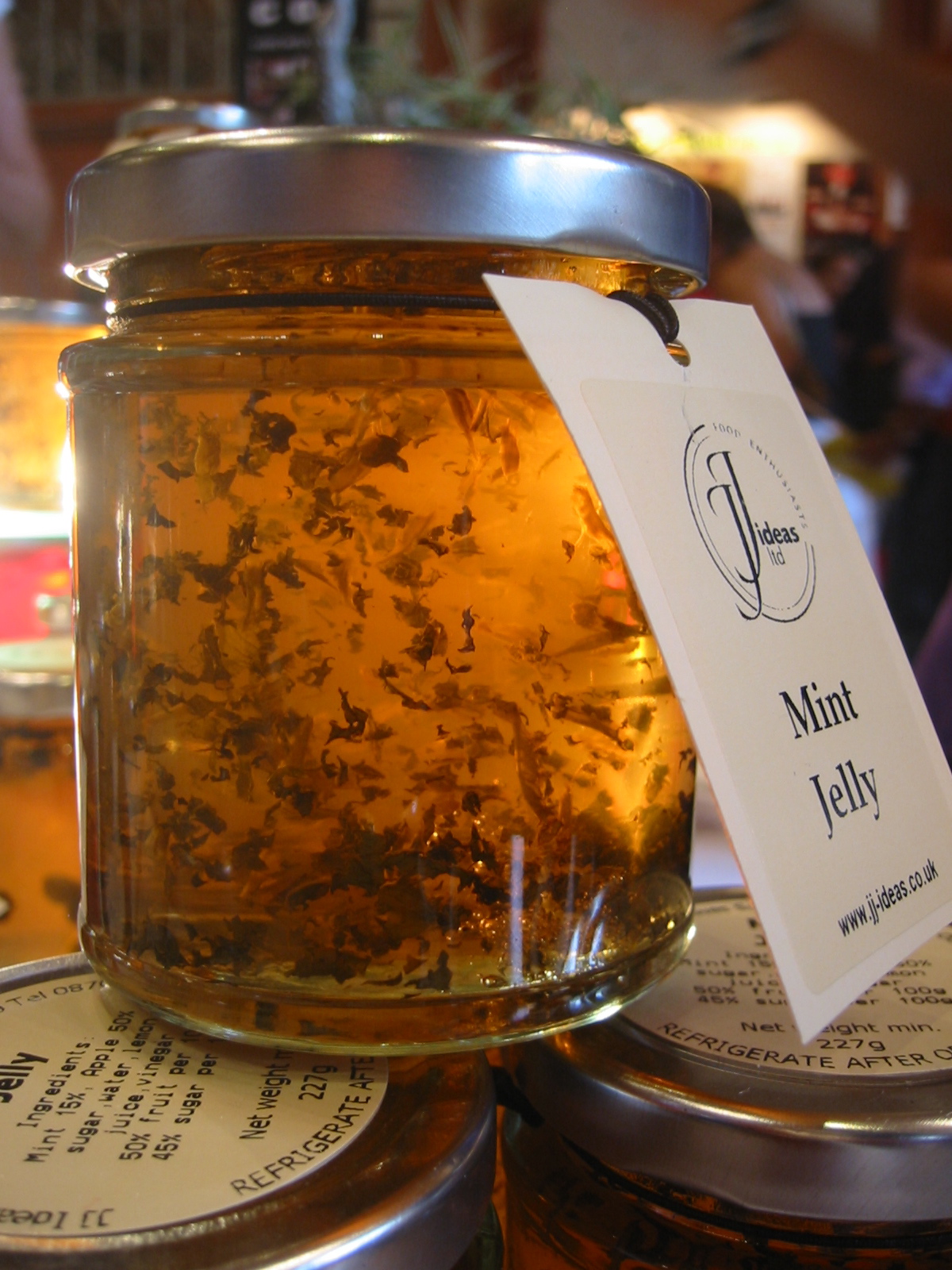
Mint leaves and oils are used across culinary, medicinal and industrial contexts. Common uses include teas, confections and sauces (for example mint chocolate chip desserts and mint chutney), breath fresheners, aromatherapy and pharmaceutical flavoring. Essential oils such as menthol are extracted for cooling and analgesic properties.
Distinctions and notes
Popular garden mints include spearmint and peppermint; they differ in leaf shape, oil composition and menthol content. While generally safe in culinary amounts, concentrated oils can be potent and should be used cautiously. For identification and cultivation guidance consult local botanical or horticultural resources.
Related articles
Author
AlegsaOnline.com Mentha (mint): overview, characteristics, uses and cultivation Leandro Alegsa
URL: https://en.alegsaonline.com/art/63840