
Western world: meanings, history, and contemporary scope
Survey of the Western world: historical definitions, core cultural and political traits, geographic variations and contested cases, and its modern global influence and critiques.
The phrase "Western world" has been applied to different places and ideas over time. In ancient times it could mean the Greek-speaking Aegean cultures; later, in Roman times, writers distinguished the Western Roman Empire from eastern provinces. Through the medieval and early modern eras it was often used for Western Europe or for the broader concept of Europe or Christendom. In the twentieth century, especially during the Cold War, "the West" commonly meant democratic states or those aligned with NATO; contemporarily it can denote societies shaped by a distinct set of institutions and cultural currents often summarized as Western civilization.
Image gallery
10 Images
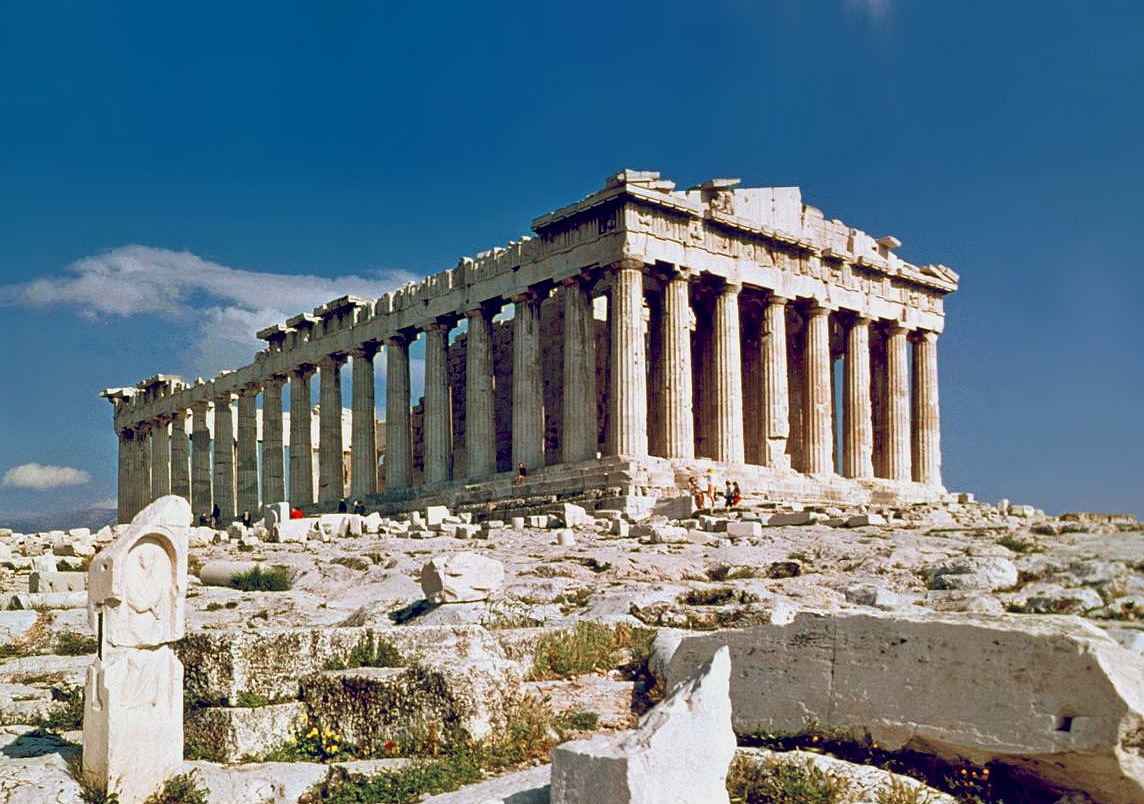





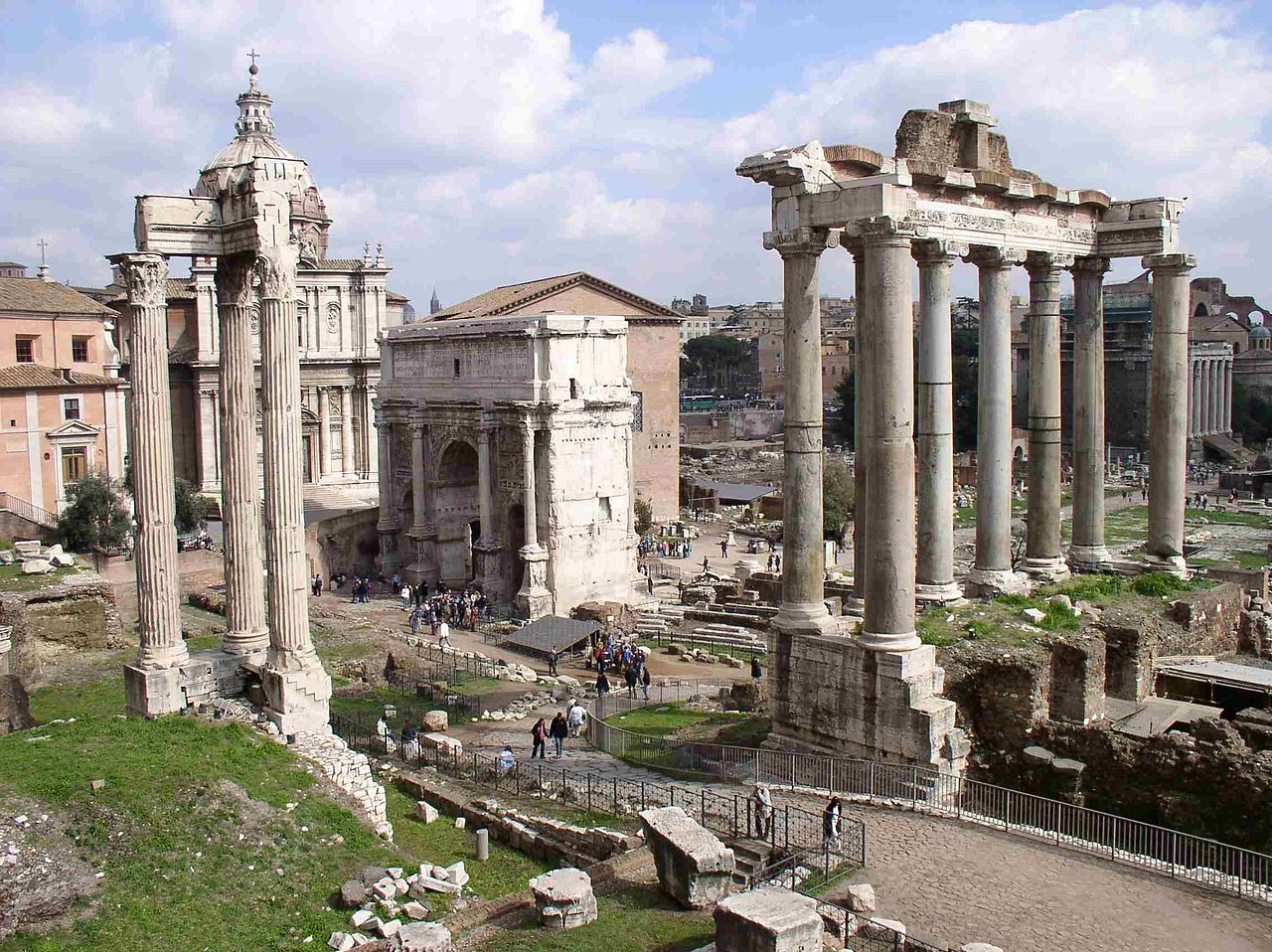
Historical development
The Western tradition grew from multiple strands. Classical Greco-Roman philosophy and law provided intellectual foundations, while Christianity reshaped social norms and institutions. Later cultural influences included the medieval synthesis of religious and classical learning, the Renaissance humanist revival, and the political and scientific transformations of the early modern and Enlightenment periods. The expansion of European powers carried these institutions overseas, producing communities in North America, Australasia and parts of Latin America that share many legal, linguistic and political features.
Core characteristics
- Political forms: a prevalence of constitutional government, electoral representation and an emphasis on individual rights.
- Economic systems: market-oriented economies and private property norms.
- Cultural traits: secularized public life in many areas, reliance on reason and scientific inquiry, and common legal traditions derived from Roman law and common law.
- Religious heritage: historically dominated by various Christian denominations, though contemporary societies are religiously diverse.
These traits are tendencies rather than fixed rules: not every country that shares one or two features is regarded as "Western" by all observers, and definitions shift with context.
Geography, examples and contested cases
Commonly included regions are much of Western and Central Europe, the United States and Canada, Australia and New Zealand. Other places are frequently debated: some analysts include parts of Latin America or some states of Eastern Europe because of cultural and institutional ties. Nations with mixed influences, such as the Philippines, Singapore, Israel and South Africa, are sometimes described as occupying in-between positions.
Contemporary use and critiques
"Western" remains a useful shorthand in diplomacy, cultural history and comparative politics, and it describes a cluster of institutions and ideas that have had global influence — through trade, migration, education and international organisations. At the same time, the category is criticized for oversimplifying global diversity, masking colonial legacies and promoting Eurocentric perspectives. Political scientists and historians therefore distinguish between cultural, economic and geopolitical senses of the term, and they emphasise the fluidity of boundaries and identities.
For further reading on specific historical phases and modern debates, see introductory treatments of the Roman West, the making of modern Europe, Cold War alliances such as NATO, and discussions of democracy and human rights (democratic theory). More specialised resources explore how the notion of the West has been adapted and contested in different regions and periods.
Additional contexts and references: early Roman history and institutions (Western Roman Empire), regional overviews of Western Europe and broader studies of Europe and Christendom, the Cold War era (Cold War), debates about inclusion and identity in Western civilization and its global diffusion in areas like Latin America and Eastern Europe.
Related articles
Author
AlegsaOnline.com Western world: meanings, history, and contemporary scope Leandro Alegsa
URL: https://en.alegsaonline.com/art/107547