
Garlic (Allium sativum): botany, culinary uses, cultivation, and safety
Garlic (Allium sativum) is a bulbous allium used worldwide as a culinary flavoring and in traditional remedies. This article summarizes its botany, varieties, cultivation, cooking uses, possible health effects, and practical tips.
Garlic is the common name for the edible bulb of the species Allium sativum, a member of the onion family widely grown and used as food. It is closely related to other kitchen alliums such as onions, shallots and leeks. The bulb (often called a head) is composed of several individual segments known as cloves, each enclosed in a thin, papery tunic. Garlic is prized for its pungent aroma and pronounced savory flavor, which change substantially with different forms of preparation.
Image gallery
10 Images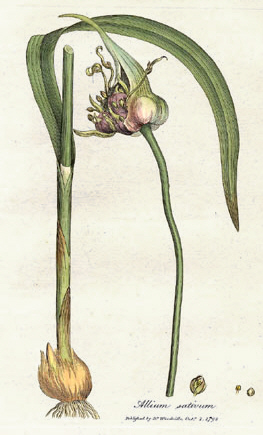


Botany and chemical composition
Garlic plants produce a bulb from a planted clove; the aerial part has narrow strappy leaves and, in many varieties, a flowering stalk that may bear a flower cluster or bulbils. Cultivated garlic is usually propagated vegetatively by cloves rather than by seed. Two broad cultivation groups are commonly recognised: hardneck types, which develop a central flowering stalk (scape) and often have a more complex flavor, and softneck types, which generally store longer and are common in commerce.
The characteristic taste and smell arise from sulfur-containing compounds. When a clove is crushed or cut, the enzyme alliinase converts precursors into volatile compounds including allicin and related molecules. These compounds give fresh garlic its sharp aroma and also underlie many biological effects observed in laboratory studies. Cooking alters these compounds, producing milder, sweeter flavors such as those produced by roasting.
Cultivation and harvesting
Garlic is typically planted from individual cloves. In temperate climates gardeners often plant in autumn so the clove can establish roots before winter and resume growth in spring; many growers plant in late fall or soon after the first frost as a practical guideline. One healthy clove can develop into a full bulb by the following summer. Important cultivation considerations include soil fertility, sun exposure, moisture management and the choice between hardneck and softneck varieties.
Growers may remove scapes (the flower stalks) on hardneck types to redirect energy into bulb development. Harvesting usually occurs when the foliage begins to yellow and die back; bulbs are then lifted, cured in a dry, ventilated place, and stored at cool, dry temperatures to prolong shelf life. Proper curing reduces decay and sprouting.
Culinary uses and preparation
Garlic is a foundational flavoring in many regional cuisines—Mediterranean, Middle Eastern, South Asian and East Asian cookery among them. It may be used raw, minced, crushed, sliced, chopped, roasted, confited in oil, or aged into varieties such as black garlic. Each technique produces distinct textures and aromas: raw garlic is sharp and potent, briefly cooked garlic softens and sweetens, and slow roasting yields a mellow, caramelized character.
Common preparations include garlic butter, aioli, sautés, marinades and soups. Garlic powder, granulated garlic and pastes are convenient shelf-stable forms. Because of its strong aroma, cooks use methods such as removing the central green germ in older cloves, lowering cooking temperature, or combining garlic with acidic or fatty ingredients to moderate pungency. When making infused oils at home, it is important to follow safe methods to reduce the small but real risk of botulism when fresh garlic is stored in oil at room temperature.
Medicinal uses, evidence, and safety
Garlic has a long history of use as an herbal remedy for conditions such as the common cold and for general wellbeing. Modern clinical research has examined possible effects on cardiovascular risk factors, immune function, and antimicrobial activity. Laboratory and animal studies have identified bioactive sulfur compounds, but results from human clinical trials are varied; some show modest effects while others find little or no benefit. Scientific consensus remains cautious and recommends that garlic supplements be considered adjunctive rather than primary treatments.
Adverse effects from culinary amounts are usually minor and include heartburn, flatulence and a characteristic body and breath odour. Raw garlic can irritate the mouth or gastrointestinal lining in sensitive individuals. Concentrated extracts or large supplemental doses may interact with certain medications such as anticoagulants and should be discussed with a healthcare professional before use.
Varieties, processing and cultural significance
Numerous garlic cultivars vary in flavor strength, clove size and storage life. Types commonly described by growers include silverskin, artichoke and rocambole within softneck and hardneck groups. Elephant garlic is sold in some markets; it is botanically distinct (closer to some leeks) and has very large bulbs with a milder flavor. Processing methods such as drying, fermenting (to make black garlic) and oil infusion extend culinary uses and change flavor profiles.
Garlic has a rich presence in cultural traditions and folklore worldwide. It appears in culinary rituals, regional festivals and historic remedies, and remains a staple ingredient in home and professional kitchens.
Practical tips for gardeners and cooks
- Plant firm, disease-free cloves in well-drained soil; many gardeners plant in autumn or just after the first frost to encourage root establishment before winter planting guidance.
- Choose varieties suited to your climate: hardnecks in colder regions for flavour and scapes, softnecks for longer storage.
- Harvest when foliage dies back, cure gently in a ventilated place, and store bulbs in a cool, dry spot to avoid sprouting and rot.
- For cooking, adjust preparation to desired intensity: chop or crush for strong flavor; roast or confit for mild, sweet notes; use powders or pastes for convenience.
- Be cautious with medicinal use: consult reliable food and health resources or extension services, for example general horticultural and culinary references here and here, or scientific summaries and safety guidance here, here and here.
Further reading and practical resources on identification, recipes and cultivation techniques are available through gardening manuals, culinary technique guides and peer-reviewed overviews. For botanical comparisons and related species see resources on onions and related alliums and variety lists and growers' guides here and here.
Related articles
Author
AlegsaOnline.com Garlic (Allium sativum): botany, culinary uses, cultivation, and safety Leandro Alegsa
URL: https://en.alegsaonline.com/art/37593
Sources
- lpi.oregonstate.edu : lpi.oregonstate.edu/mic/food-beverages/garlic
- nccih.nih.gov : nccih.nih.gov/health/garlic/ataglance.htm