
Takoyaki: Japanese octopus dumplings and Kansai street food
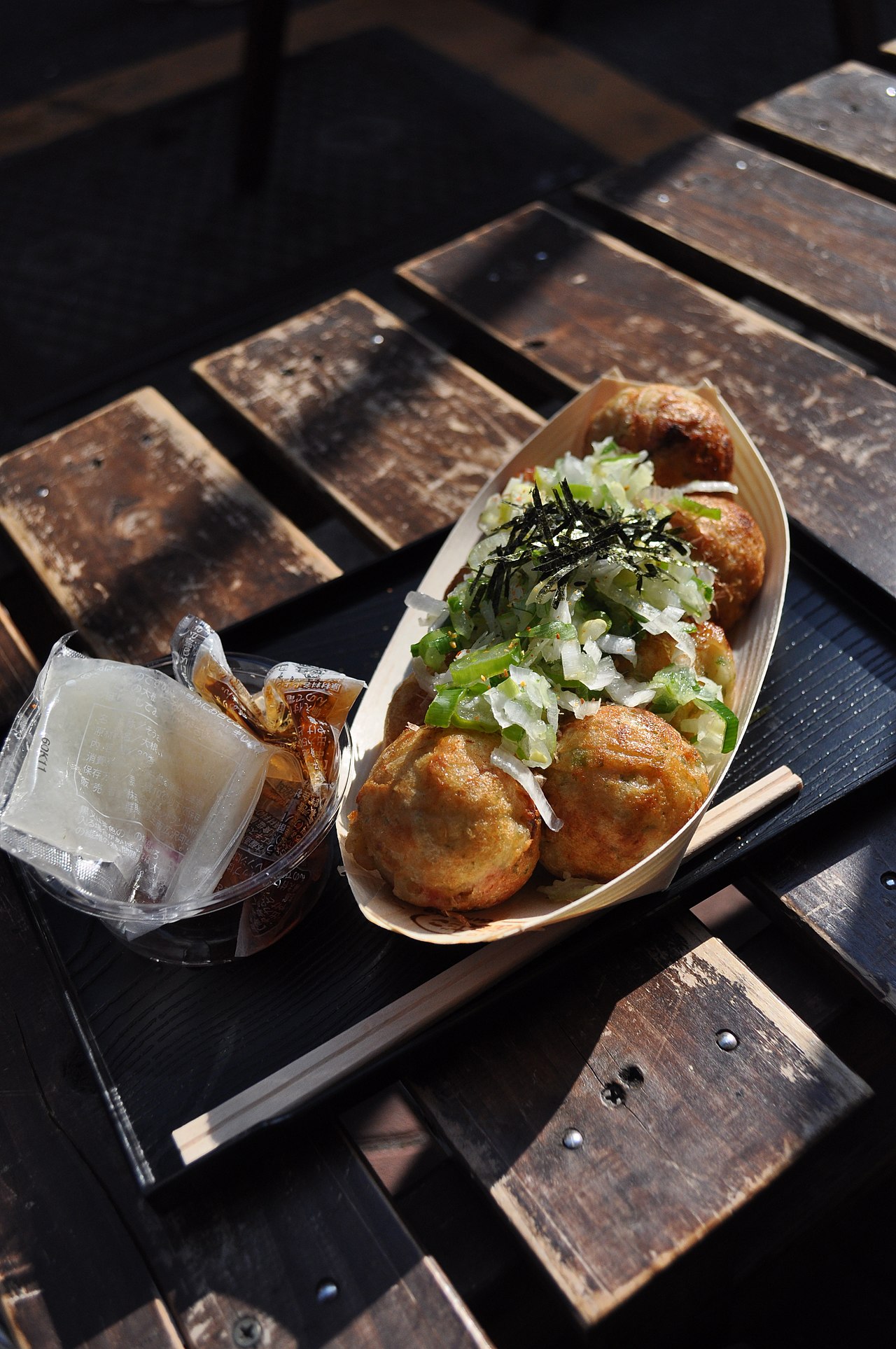
Takoyaki are round Japanese snacks of wheat-batter filled with diced octopus, cooked in a special pan and served with sauce, mayonnaise, seaweed and bonito flakes.
Overview
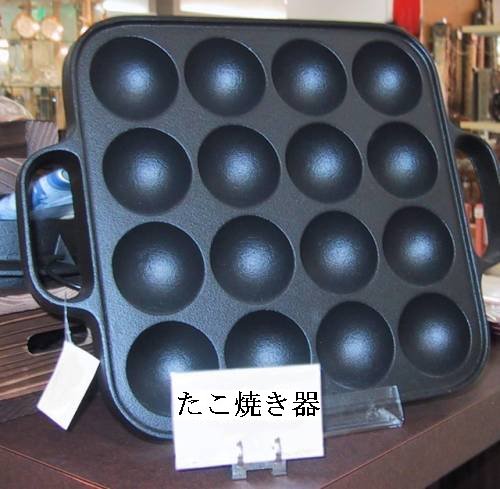
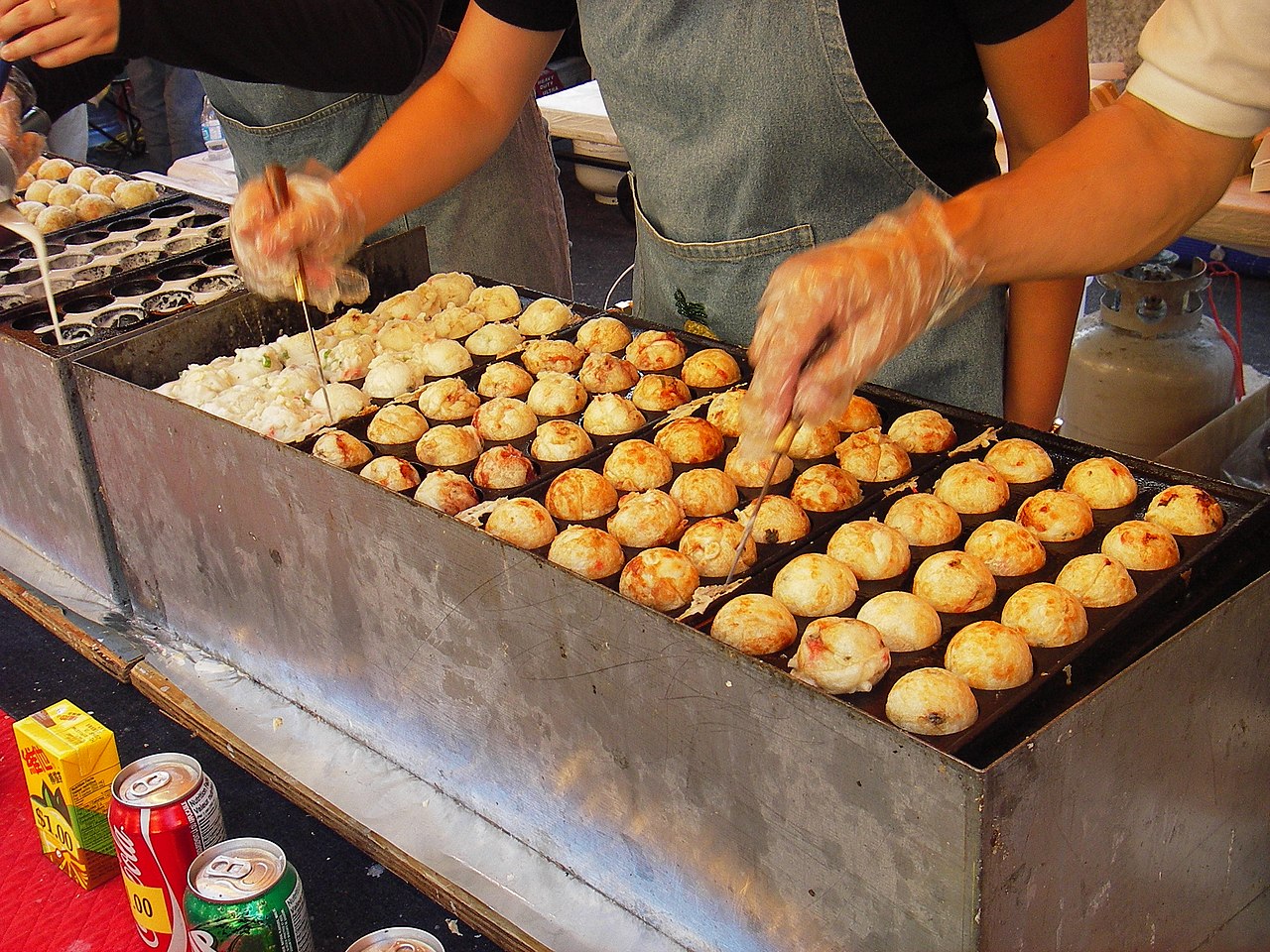
Takoyaki (literally "grilled or fried octopus") are small, round savory balls made from a wheat flour batter and typically filled with diced octopus, tempura scraps and seasonings. Often described as a ball-shaped savory pancake or fritter, takoyaki are a ubiquitous form of Japanese street food and casual snack. They are cooked in a specialized cast-iron or electric pan with hemispherical molds and turned repeatedly during cooking to form a golden sphere.
Image gallery
10 Images






Ingredients and preparation
The basic components are simple: a thin batter made from wheat flour and dashi (broth), small pieces of octopus, chopped green onion, beni shoga (pickled red ginger) and tenkasu (crispy tempura bits). Typical toppings include a tangy brown takoyaki sauce, Japanese mayonnaise, a sprinkling of powdered seaweed (aonori) and shaved dried bonito flakes (katsuobushi) that flutter with the heat.
- Common ingredients: batter, octopus, green onion, pickled ginger, tempura scraps.
- Toppings: takoyaki sauce, mayonnaise, aonori, katsuobushi.
- Equipment: takoyaki pan (cast-iron or electric) and a thin pick for turning.
How it is cooked
To cook takoyaki, the molds are oiled and filled with batter, then the fillings are dropped into each pocket. As the batter sets at the edges, cooks use a pick to turn each portion in stages so the uncooked batter flows out and the ball becomes round. Mastery of timing and motion produces a crisp outer shell and a soft, almost custardy interior with a bite of octopus at the center.
History and regional variations
Takoyaki developed as a popular street food in the Kansai region, particularly in Osaka and Kyoto, during the early to mid-20th century. Vendors and festival stalls (yatai) helped spread it across Japan. Regional relatives exist: for example, Akashi-yaki from the coastal city of Akashi uses a more egg-rich batter and is traditionally dipped in dashi broth before eating.
Uses, culture and modern adaptations
Takoyaki is commonly sold at festivals, street stalls and specialty shops and is also made at home with small electric appliances or tabletop pans. Variations have arisen to suit local tastes: some recipes substitute cheese, shrimp, sausage or vegetables for octopus, or present novelty flavors at themed food events. As a popular snack and social food, takoyaki exemplifies casual Japanese cuisine and regional culinary identity.
Notable facts and distinctions
While often called a dumpling in translation, takoyaki differ from steamed or filled dumplings in texture and cooking method. They are more closely related to fried batter snacks and to other Japanese batter dishes. Their role as a quick street snack has made them emblematic of urban food culture, and modern takoyaki grills are a common household appliance in areas where the dish is especially beloved.
For introductory recipes, cooking tips and variations see general resources and specialty guides: octopus suppliers, cultural overviews at Japanese cuisine pages and local Kansai food guides linked in further reading. Additional practical how-to content and vendor listings can be found through culinary sites and festival directories.
Related articles
Author
AlegsaOnline.com Takoyaki: Japanese octopus dumplings and Kansai street food Leandro Alegsa
URL: https://en.alegsaonline.com/art/96076
Sources
- books.google.com : Let's Cook Japanese Food!: Everyday Recipes for Home Cooking, p. 36
- books.google.com : Our Love Affairs with Food and Travel, p. 119
- japanvisitor.com : "Takoyaki: Icon of Osaka"
- books.google.com : Dictionary of Minor Planet Names, p. 541.