
Taco: structure, history, variations, and cultural significance
A concise yet comprehensive overview of the taco: its components, origins in Mexico, regional styles, common fillings and sauces, and its global spread and cultural importance.
Overview
The taco is a portable food made by folding or rolling a thin flatbread around a filling. Its most typical form uses a soft corn tortilla, though flour tortillas and crispy shells are also common. Tacos occupy a central place in Mexican cuisine and have become a versatile format for savory fillings around the world.
Image gallery
10 Images



Components and common fillings
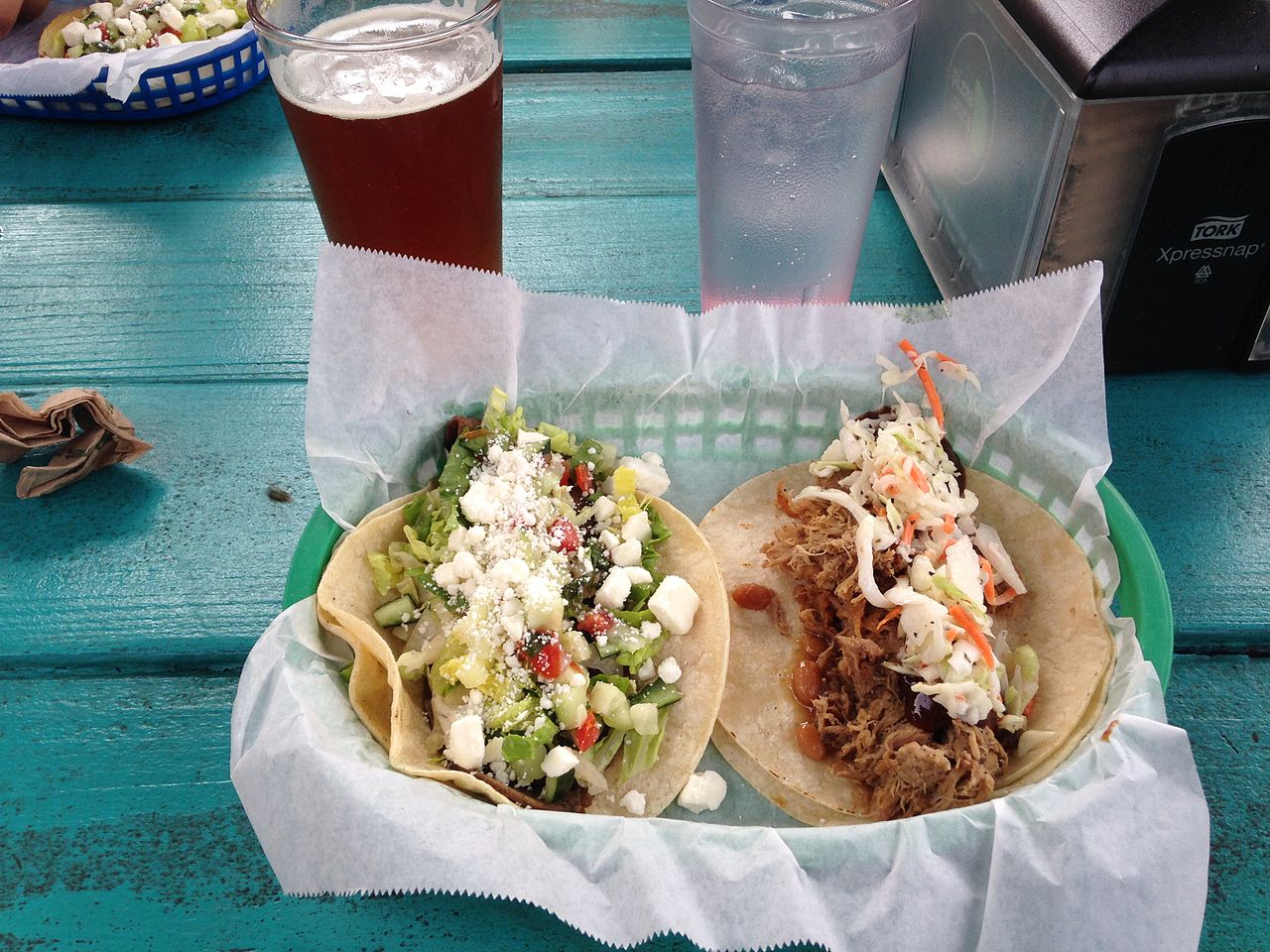
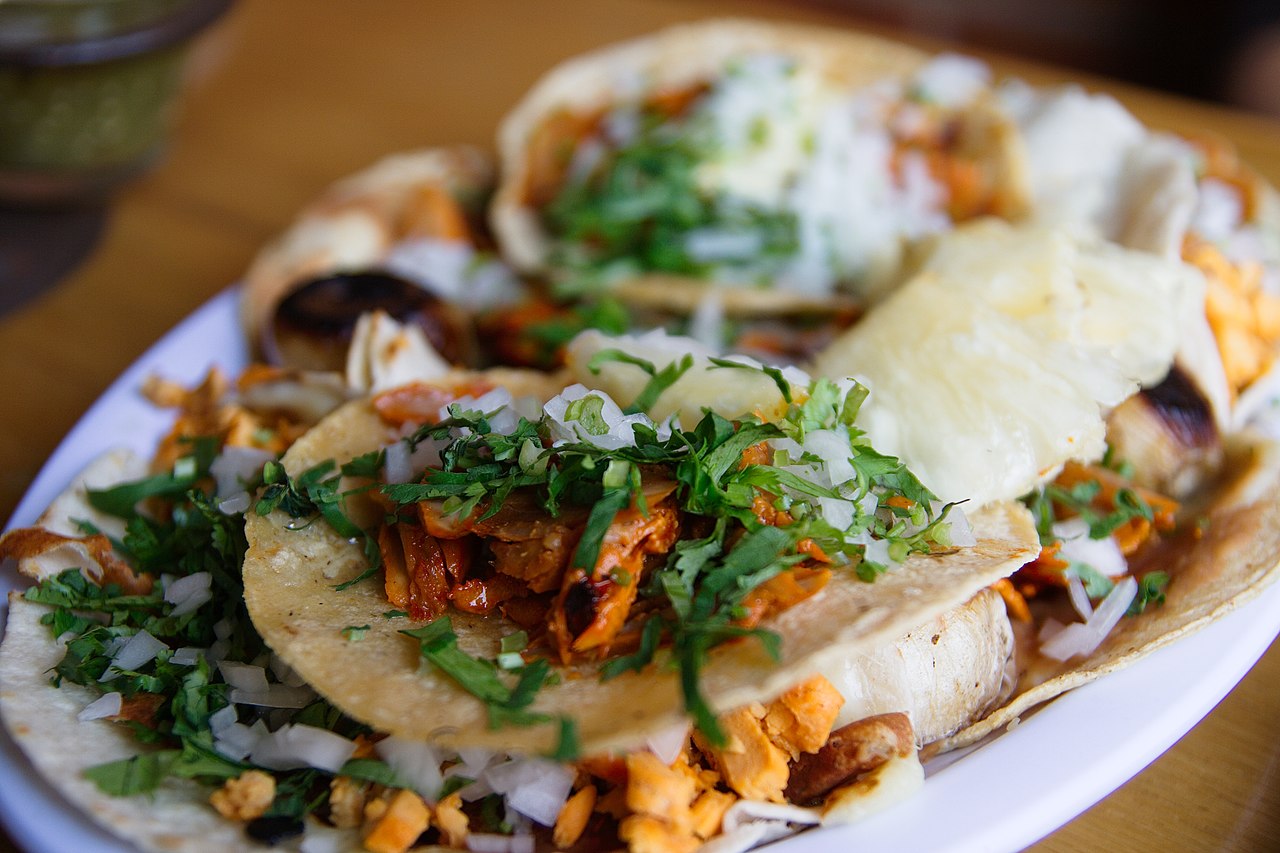
A typical taco has three basic parts: the tortilla, the filling, and garnishes or sauces. Fillings range from grilled or stewed meats to vegetables and cheeses; popular choices include:
- Beef – carne asada or seasoned ground beef
- Pork – such as al pastor or carnitas
- Chicken – grilled, shredded, or stewed preparations
- Fish and seafood – battered or grilled fish tacos
- Cheese and vegetarian fillings
- Fresh garnishes: onions, cilantro, lime
- Leaves and crudités: lettuce and other salads
- Condiments: guacamole, salsas and hot sauces
History and origins
Modern tacos evolved from indigenous Mesoamerican traditions of eating with tortillas, a staple made from nixtamalized corn. Spanish colonization introduced new ingredients—such as pork and beef—that were incorporated into local preparations. Over centuries regional recipes developed, producing distinct styles tied to particular towns and cooking methods.
Variations and regional styles
There is no single taco recipe; styles vary by region and purpose. Examples include street-style soft tacos, small corn tacos served in Mexican taquerías, the marinated vertical-roasted pork of tacos al pastor, and coastal fish tacos. In some countries a hard-shell or deep-fried variant has become synonymous with the word.
- Street tacos: small tortillas with simple, concentrated fillings.
- Grillhouse tacos: larger tortillas with grilled meats and salsas.
- Fast-food adaptations: standardized menus and crunchy shells.
Global spread and cultural importance
Tacos are an example of a regional food that achieved international popularity. They remain most closely associated with Mexico, and are widely eaten in the United States, where both street vendors and chains have popularized variants. Tacos have also been introduced in many other countries, including places as diverse as China. Large restaurant brands have helped spread a standardized fast-food version—most famously Taco Bell—but local taquerías continue to drive innovation.
Preparation, service and notable distinctions
Tacos are typically assembled just before eating so the tortilla stays tender. They differ from related items such as burritos (which are larger and fully wrapped) and tostadas (flat, crispy tortillas). Because of their simplicity and adaptability, tacos serve both as everyday street food and as a platform for culinary creativity in restaurants worldwide.
Related articles
Author
AlegsaOnline.com Taco: structure, history, variations, and cultural significance Leandro Alegsa
URL: https://en.alegsaonline.com/art/95841
Sources
- commons.wikimedia.org : Tacos