
Tapioca: starch from cassava and its culinary and industrial uses
Tapioca is the refined starch extracted from the cassava root, used worldwide in cooking and industry for thickening, confectionery, and gluten-free applications.
Overview
Tapioca is the nearly pure starch obtained from the root of the cassava plant (Manihot esculenta). The term often refers to the processed product used for cooking and manufacturing rather than the raw root. As a white, flavour-neutral carbohydrate, tapioca provides texture and thickening power in a wide range of recipes and industrial formulations. For more on the basic material, see starch.
Image gallery
10 Images





Characteristics and common forms
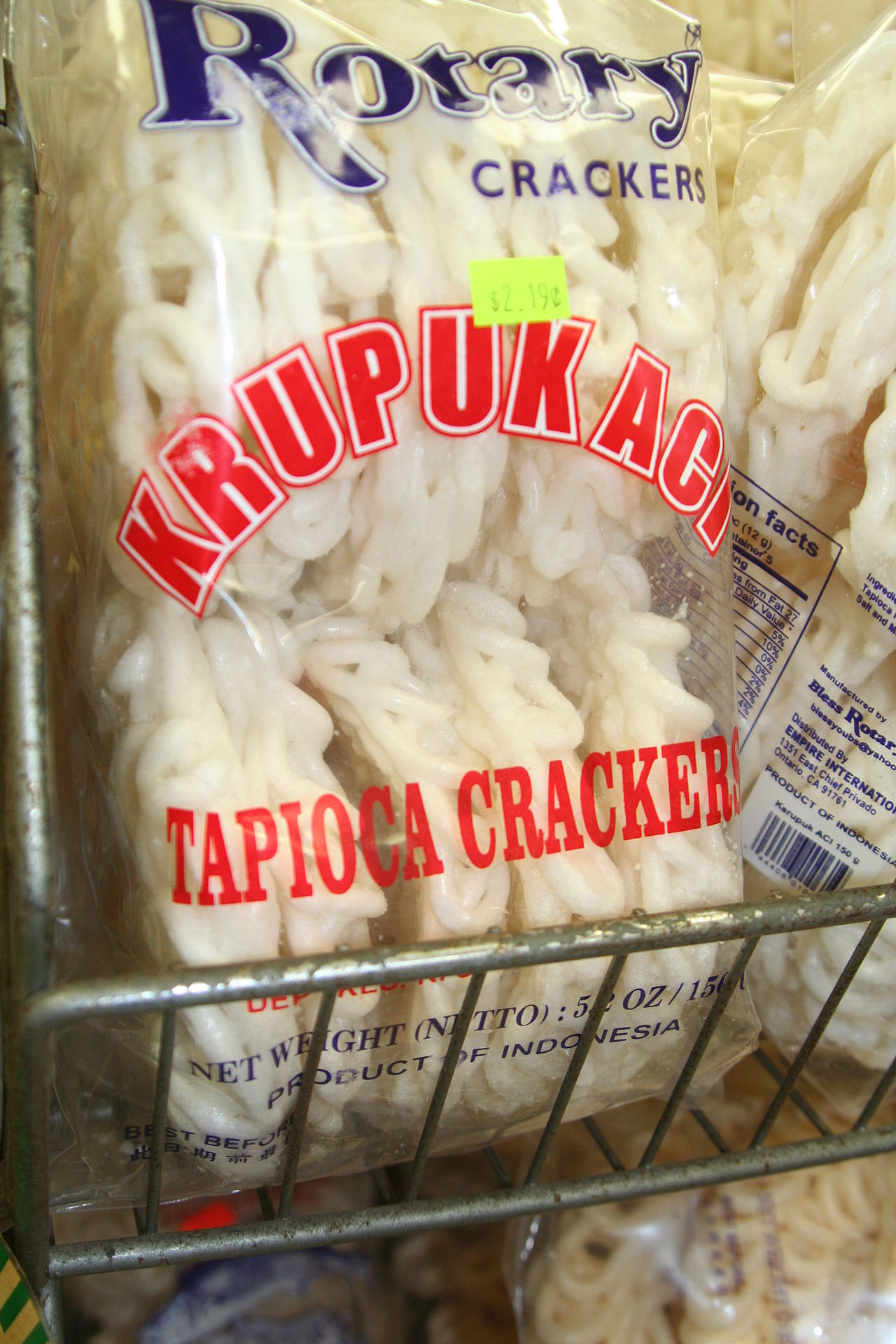
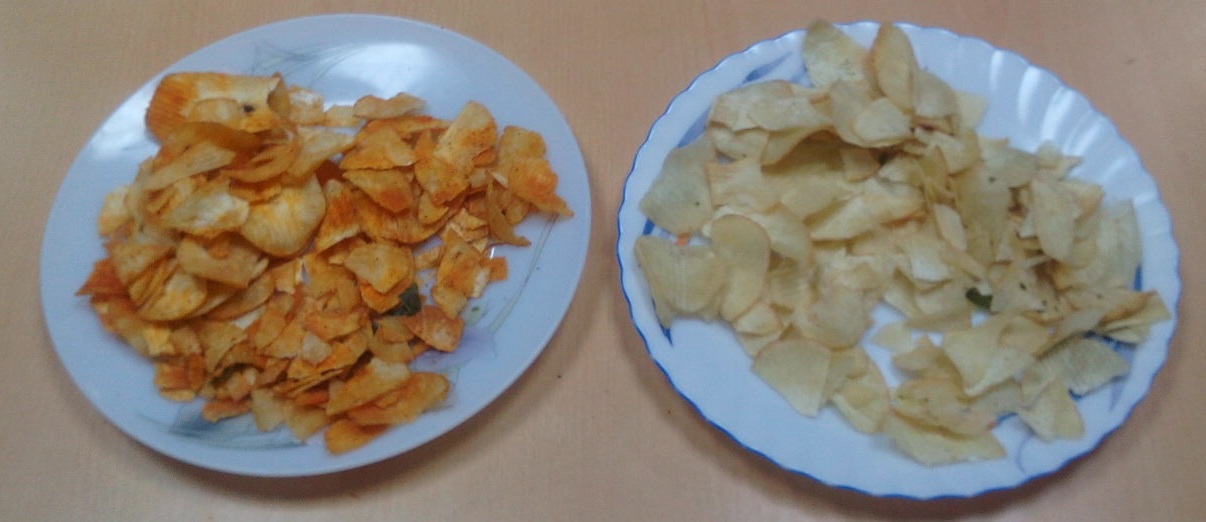
Tapioca appears in several forms, each suited to different uses:
- Pearls: small, round balls used in puddings and bubble tea; they swell and become translucent when cooked.
- Flakes and granules: rehydrated or instant forms for quick thickening.
- Starch/ground: a fine white powder often labelled tapioca starch or tapioca flour, used as a thickener or gluten-free binder.
Production and material properties
Production begins with washing and crushing cassava roots, extracting the starchy liquid and allowing solids to settle. The sediment is dried and milled to produce the powdered starch. Tapioca starch forms a clear gel when heated in water, has neutral taste, and provides a glossy finish to sauces and fillings. Because it is largely carbohydrate, it lacks gluten and significant protein or fat.
History and geographic spread
Cassava is native to parts of South America and was long cultivated by indigenous peoples in what is now the North Region of Brazil. European explorers and traders helped move cassava and processing techniques overseas; Portuguese and Spanish mariners played a role in introducing the crop to other continents such as Africa and Asia, carried by Portuguese and Spanish explorers. Today cassava and tapioca are cultivated and used in many countries including the Philippines and Taiwan.
Uses and examples
In cooking, tapioca is valued as a thickener in soups, pie fillings, and custards, and as the base for traditional tapioca pudding. Tapioca pearls are a signature ingredient in bubble tea and many desserts. Industrially, tapioca starch is used in food processing, paper and textile sizing, and as a biodegradable binder in pharmaceuticals and adhesives.
Nutrition, safety and distinctions
Tapioca is calorie-dense, primarily a source of digestible carbohydrate and lacks significant vitamins or minerals unless fortified. Raw cassava contains cyanogenic compounds that can be toxic; correct peeling, soaking, fermentation and cooking methods remove these compounds and make tapioca safe to eat. Tapioca differs from cassava flour (which uses the whole root and retains more fiber and flavour) and from other starches such as arrowroot in texture and thickening behaviour.
Notable facts: tapioca is naturally gluten-free, prized for creating glossy, elastic gels, and remains a staple ingredient in many regional cuisines and modern food products worldwide.
Related articles
Author
AlegsaOnline.com Tapioca: starch from cassava and its culinary and industrial uses Leandro Alegsa
URL: https://en.alegsaonline.com/art/96347