
Arab world: geography, language, history and contemporary significance
Region of Arabic-speaking countries across North Africa and West Asia; shared language and cultural ties, varied histories, economies, and societies; boundaries and membership vary by definition.
The term "Arab world" refers broadly to the region where Arabic is a principal language and a central element of public life. It is commonly used to describe a group of countries and territories that share linguistic, cultural and historical links rooted in the Arabic language (Arabic) and related institutions. Definitions vary: some lists follow political membership, others count territories by dominant language or identity, so exact totals for countries, territory count and population differ by source.
Image gallery
10 Images
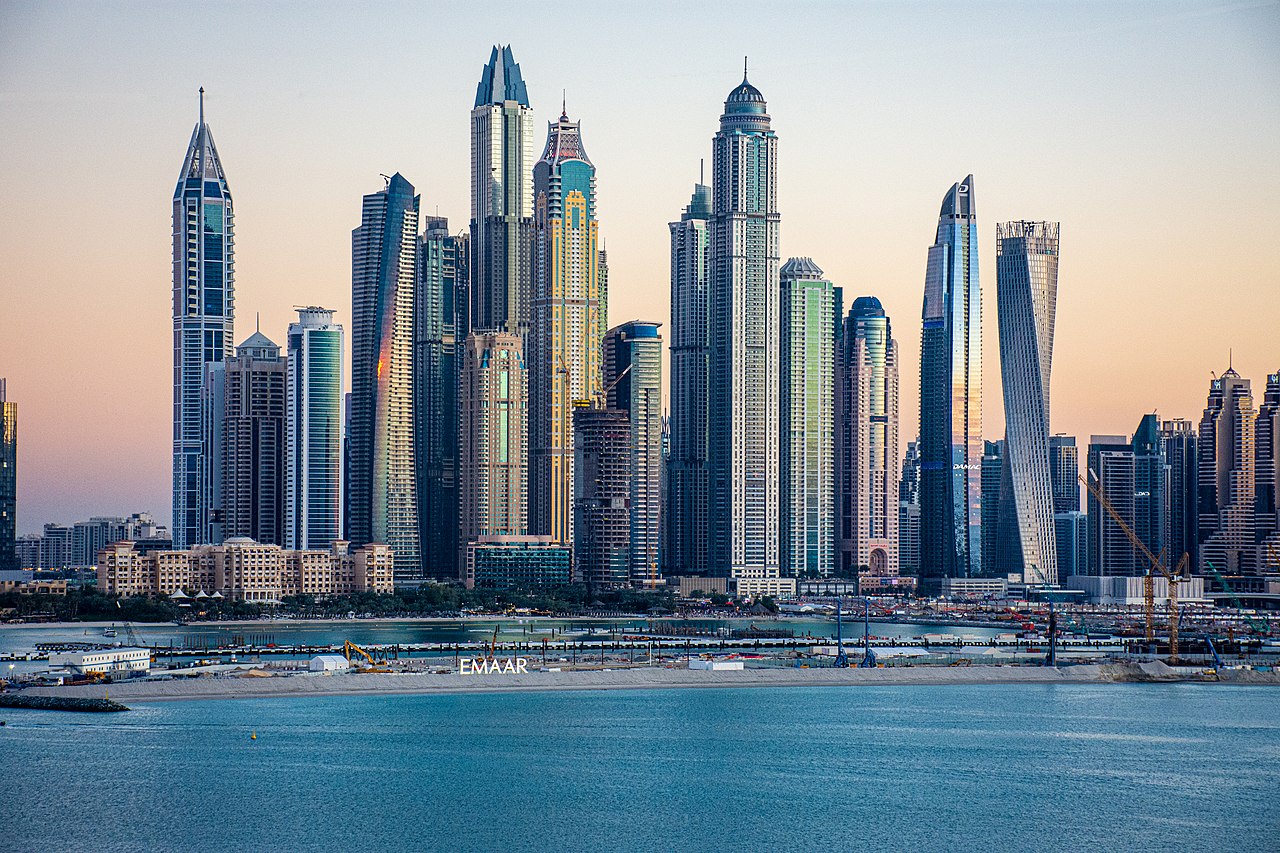


Geography and scope
Geographically the area commonly considered the Arab world extends from the Atlantic coast in the west to the Arabian Sea in the east, and from the Mediterranean in the north to parts of the Horn of Africa and the Indian Ocean in the southeast. Major geographic references include the Atlantic Ocean, the Mediterranean Sea, the Arabian Sea, the Horn of Africa and the Indian Ocean. The region spans North Africa and much of Western Asia and includes deserts, fertile river valleys, mountain ranges and extensive coastlines.
Language, religion and cultural traits
Modern Standard Arabic serves as a shared formal language in media, education and official contexts, while numerous regional dialects are used in everyday speech. The Arab world is religiously diverse though Islam is the majority religion; Christians and other faith communities also have long historical presence. Cultural commonalities include literary traditions, music, cuisine, and social practices, but local customs and ethnic groups produce substantial internal variety.
History and political organization
The region's history includes ancient civilizations, the rise of Islam in the 7th century, and successive empires such as the Umayyads, Abbasids and Ottomans. In the 19th and 20th centuries colonial rule, nationalist movements and successive independence processes reshaped borders and institutions. The Arab League, founded in the mid-20th century, remains the primary intergovernmental organization intended to coordinate political and cultural cooperation among member states.
Economy and contemporary issues
Economic profiles vary widely: some states are oil-rich with large energy exports, others rely on agriculture, tourism, manufacturing or services. Cross-border labor migration and remittances are important in several countries. The region faces contemporary challenges such as urbanization, youth unemployment, governance debates, environmental concerns and conflict in parts of the region, along with efforts at economic diversification and social reform.
Notable distinctions and facts
- "Arab" denotes a linguistic and cultural identity; it is not synonymous with religious identity—many Arabs are Christian or adhere to other faiths.
- The phrase "MENA" (Middle East and North Africa) overlaps with but is not identical to the Arab world; boundaries depend on context and purpose.
- Contemporary cultural influence includes literature, film, journalism and music, and diasporas connect the region internationally.
For further reading on language, geography and regional institutions see resources on Arabic, the Atlantic and Mediterranean connections, and references addressing the Arabian Sea and Horn of Africa relationships to the Indian Ocean maritime networks.
Related articles
Author
AlegsaOnline.com Arab world: geography, language, history and contemporary significance Leandro Alegsa
URL: https://en.alegsaonline.com/art/5125