
Onion — Allium cepa: overview, characteristics, uses and history
Onion (Allium cepa) is a widely cultivated edible bulb known for its pungent flavor. This article covers its biology, varieties, history, culinary uses, nutrition and practical handling tips.
Onion refers commonly to the edible bulb of the species Allium cepa and related plants. It is cultivated worldwide as an important vegetable and is a member of a group of bulb-forming plants in the genus Allium. When people speak of onions they usually mean the garden or common onion, with layered bulbs that are eaten fresh, cooked or preserved. Onions are valued for their strong flavor and distinctive aroma, which influence many cuisines.
Image gallery
10 Images




Physical characteristics
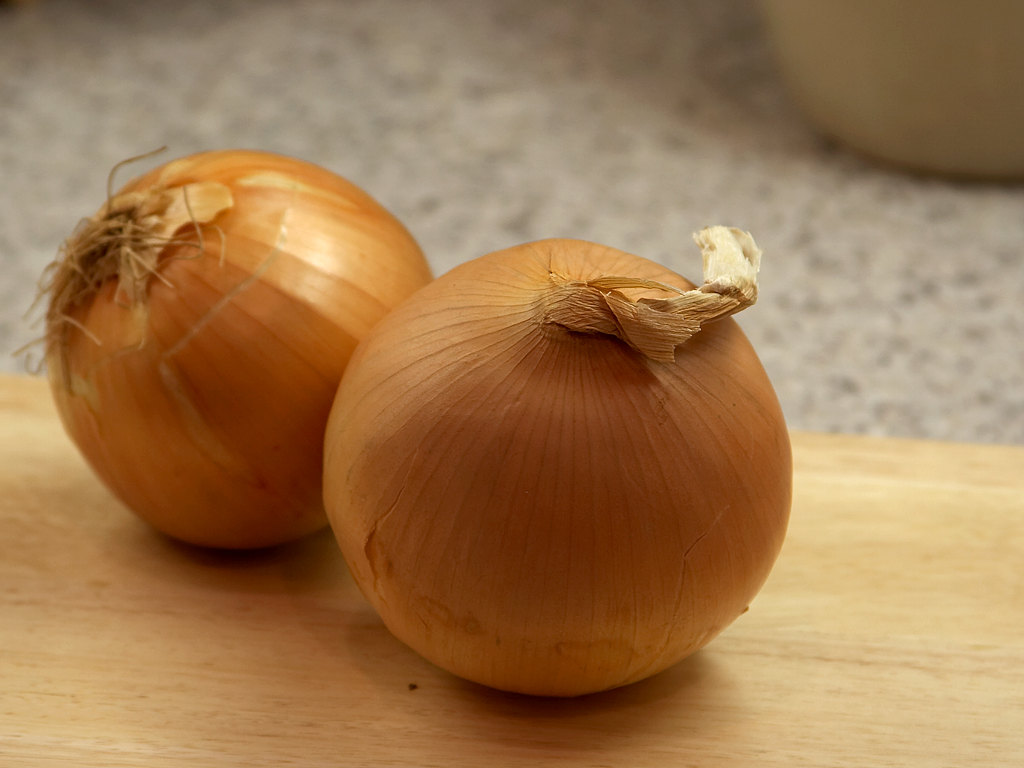
Most edible onions form a layered bulb made of fleshy, concentric scales. Above ground they produce hollow, strap-like leaves and, in some varieties, an umbel of small flowers. The characteristic sharp taste and smell come from sulfur-containing compounds; when an onion’s cells are damaged by cutting, enzymes convert precursors into volatile molecules that can irritate the eyes.
History and cultivation
Onions have a long history of cultivation. They were grown in ancient agricultural societies and are often associated with early horticulture in regions such as ancient Egypt, where they appeared alongside related crops like the leek and garlic. Over centuries the plant spread across Europe, Asia and the Americas and adapted into many local varieties suited to different climates. Modern cultivation emphasizes bulb size, storage life and flavor.
Varieties and distinctions
- Common types: yellow/brown onions, white onions, red onions and sweet onions.
- Related forms: shallots and onions sold as scallions or green onions (harvested before a large bulb forms).
- Botanical parts: bulbs for food, leaves as greens, and flower stalks in seed production.
Culinary uses and nutrition
Onions are versatile: eaten raw in salads, sliced for sandwiches, sautéed, caramelized, pickled or used to build soups and stocks. They contribute texture, sweetness and umami when cooked. Nutritionally, onions are low in calories and provide fiber, vitamin C and various antioxidants such as quercetin; the exact content varies by variety and preparation.
Handling, storage and notable facts
To reduce tearing when cutting, chill the bulb or cut it under running water; the lachrymatory factor is a volatile compound produced when cell walls are broken. Bulbs store best in a cool, dry, well-ventilated place. Unlike garlic or leeks, the common onion forms a distinct central bulb (bulb) and is particularly prized for its strong scent (aroma). For more on cultural uses and recipes see related resources: leek, garlic and general Allium references (Allium).
Because of its long association with human diets and agriculture, the onion remains one of the most widely consumed and cultivated crops worldwide, valued both for flavor and for its adaptability in different culinary traditions.
Questions and answers
Q: What are onions?
A: Onions are vegetables that are plants in the genus Allium.
Q: What do people usually mean when they talk about onions?
A: When people talk about onions, they usually mean garden onions.
Q: Can people eat most species of onions?
A: Yes, most species of onions have bulbs that people can eat.
Q: What is the flavour of onions like?
A: Onions have a strong flavour.
Q: Do onions have a distinctive smell?
A: Yes, onions have a very distinctive smell.
Q: Where were onions probably first grown?
A: Onions were probably first grown in Ancient Egypt, together with leek and garlic.
Q: Do most of the world's cultures eat onions?
A: Yes, most of the world's cultures eat onions.
Related articles
Author
AlegsaOnline.com Onion — Allium cepa: overview, characteristics, uses and history Leandro Alegsa
URL: https://en.alegsaonline.com/art/72642