
Table salt (sodium chloride)
Table salt is crystalline sodium chloride used for seasoning, preservation, and industrial chemistry. It occurs naturally as rock salt and in seawater and is produced by evaporation or mining.
Overview
Table salt is the common name for the crystalline compound sodium chloride, a simple ionic substance widely used in cooking, food preservation and industry. As a naturally occurring mineral and a basic chemical compound, it is present in large amounts on Earth. In its solid form it typically appears as colorless or white crystals and is often called rock salt or halite.
Image gallery
10 Images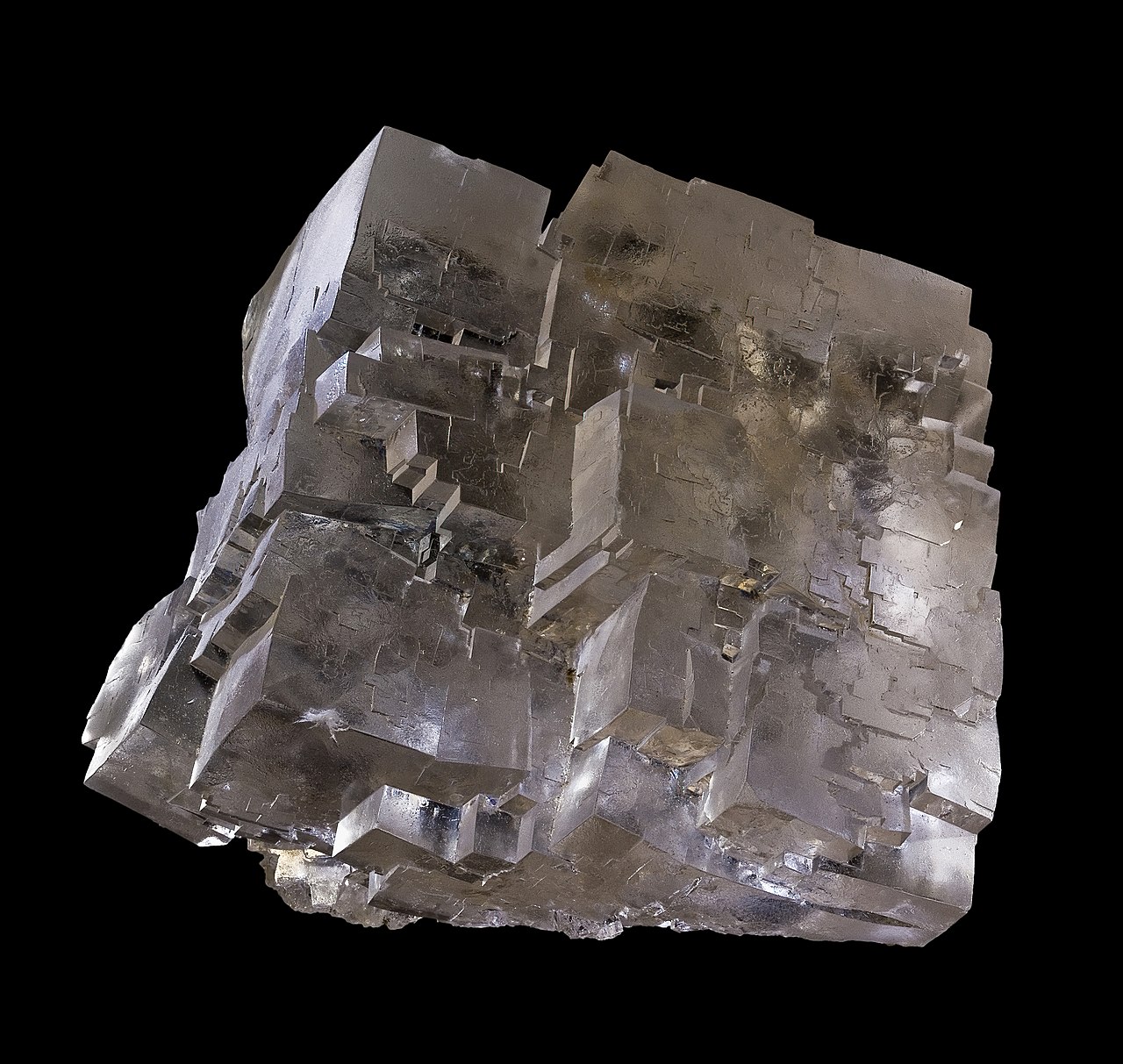





Physical and chemical characteristics
Sodium chloride forms a regular lattice of sodium and chloride ions, giving it a cubic crystal habit; the term crystalline describes this ordered structure. It is highly soluble in water: when mixed with water, the crystals dissociate into ions to form a saline solution. Seawater contains salt as its main dissolved solid — the open ocean has an average salinity around 3.5%, meaning roughly 35 grams of dissolved material per litre.
History and cultural importance
Salt has been important to human societies for millennia. It enabled the preservation of food before refrigeration, influenced trade routes and economic practices, and held ritual and symbolic roles in many cultures. The value of salt led to specialized production techniques and even taxation in some states. Knowledge of salt’s utility also drove geographic exploration for reliable sources.
Production methods and types
Salt is produced by several methods, each giving rise to different product types:
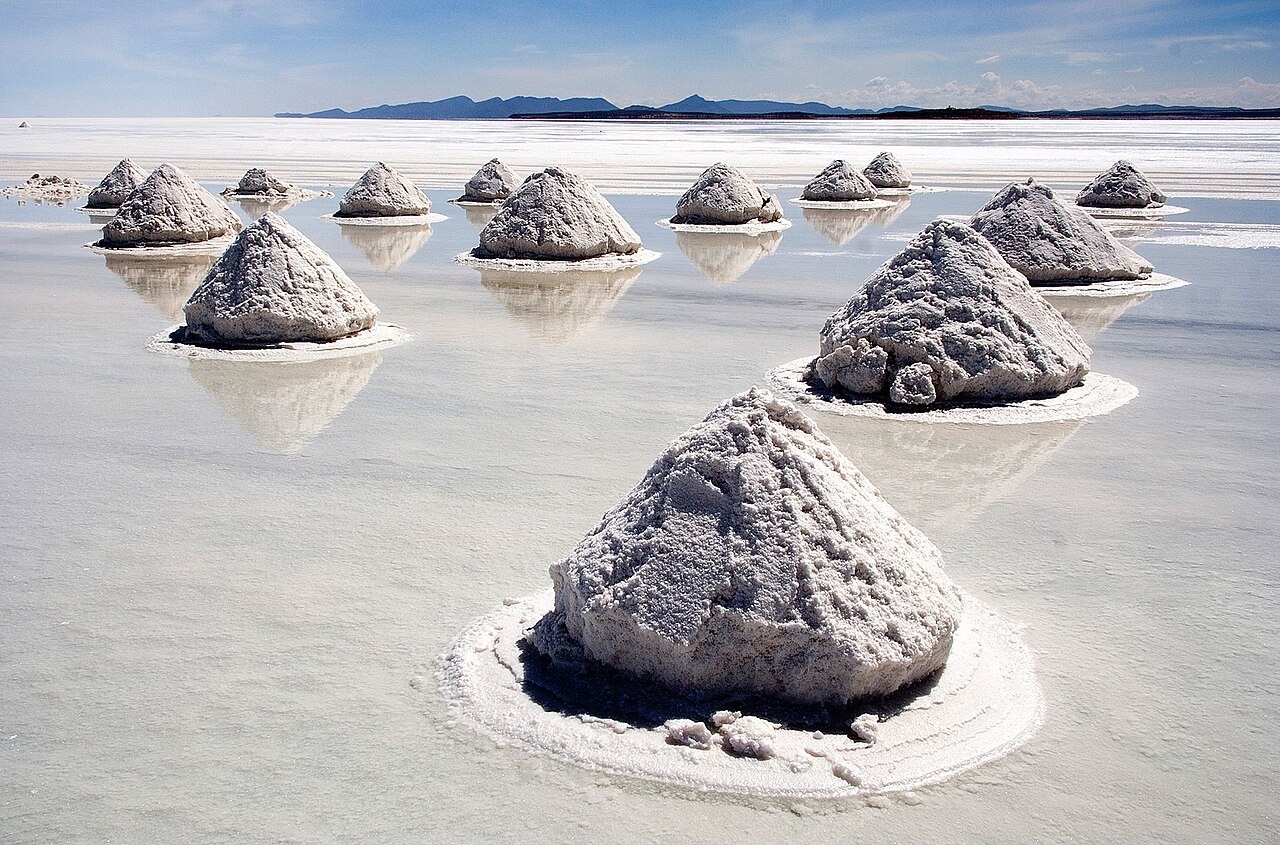
- Solar evaporation: shallow ponds or pans are filled with seawater and left to concentrate; water leaves by evaporation, and salt crystallizes for harvest (often marketed as sea salt).
- Rock mining: large deposits of halite left by ancient evaporated seas can be mechanically extracted from underground and processed; these deposits are mined as rock salt.
- Vacuum or industrial evaporation: brine is evaporated under controlled conditions to produce very pure, fine-grained salt used in food service or chemical processes.
Uses and examples
Common uses include seasoning and culinary finishing, curing and preserving foods, and de-icing roads. Industrially, sodium chloride is a feedstock for producing chlorine, caustic soda and other chemicals through electrolysis. Other applications include water softening, animal nutrition, and certain manufacturing processes.
Health and notable distinctions
Table salt sold for household use is often treated: many nations add small amounts of iodine to prevent deficiency, creating "iodized salt," and anti-caking agents are used to keep granules free-flowing. Different market varieties—table salt, sea salt, kosher salt, and specialty salts such as pink or smoked salts—differ in texture, mineral trace content and how they are produced, but chemically they are primarily sodium chloride. Excessive intake of sodium is linked to increased blood pressure and cardiovascular risk, so public health guidance emphasizes moderate consumption.
Summary: Table salt is a ubiquitous, naturally occurring ionic mineral essential to food, culture and industry. Its accessibility, simple chemistry and diverse production methods make it one of humanity’s most familiar substances.
For further chemical context and mineral descriptions, see sources on mineralogy and saline chemistry: mineral overview, compound basics, and production methods like evaporation and mining.
Related articles
Author
AlegsaOnline.com Table salt (sodium chloride) Leandro Alegsa
URL: https://en.alegsaonline.com/art/95803