
Saxons: a Germanic people, their history and legacy
Overview of the Saxons: origins in northern Germany and the Netherlands, migration to Britain, language and culture, conversion to Christianity, and modern regional identities and influences.
Overview
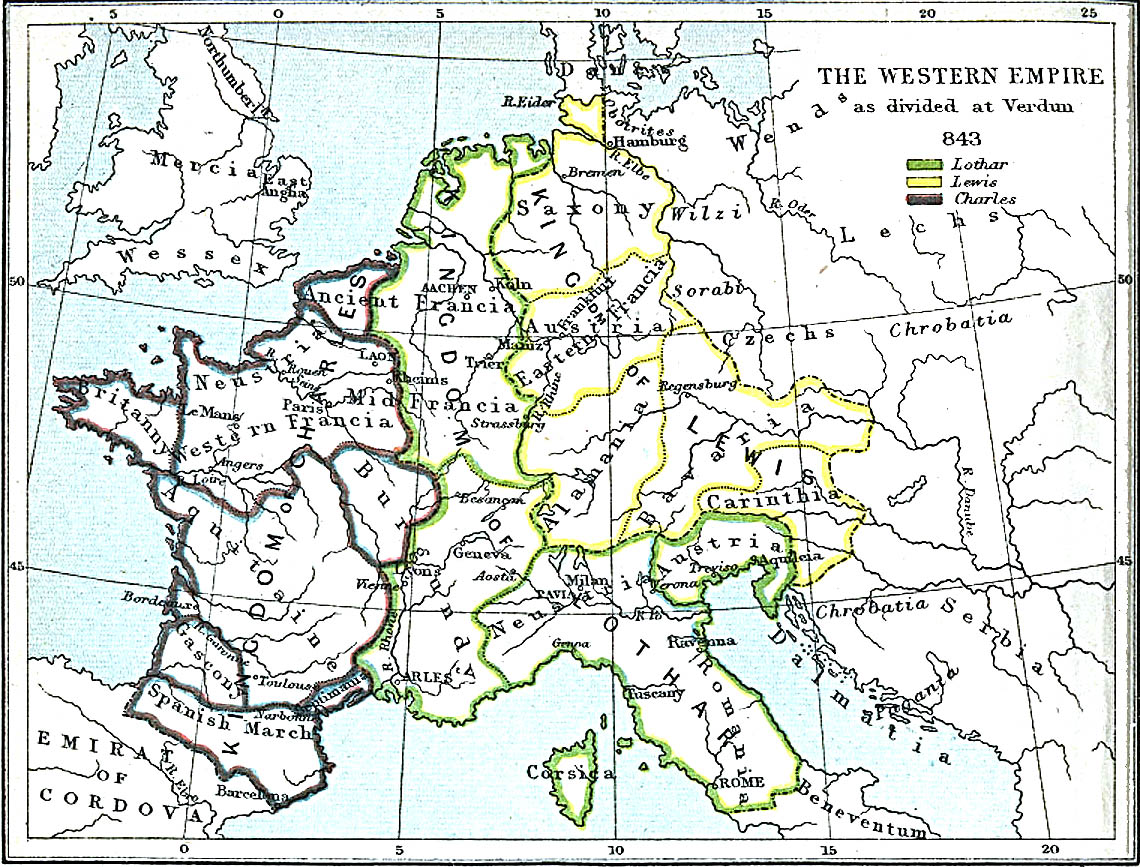
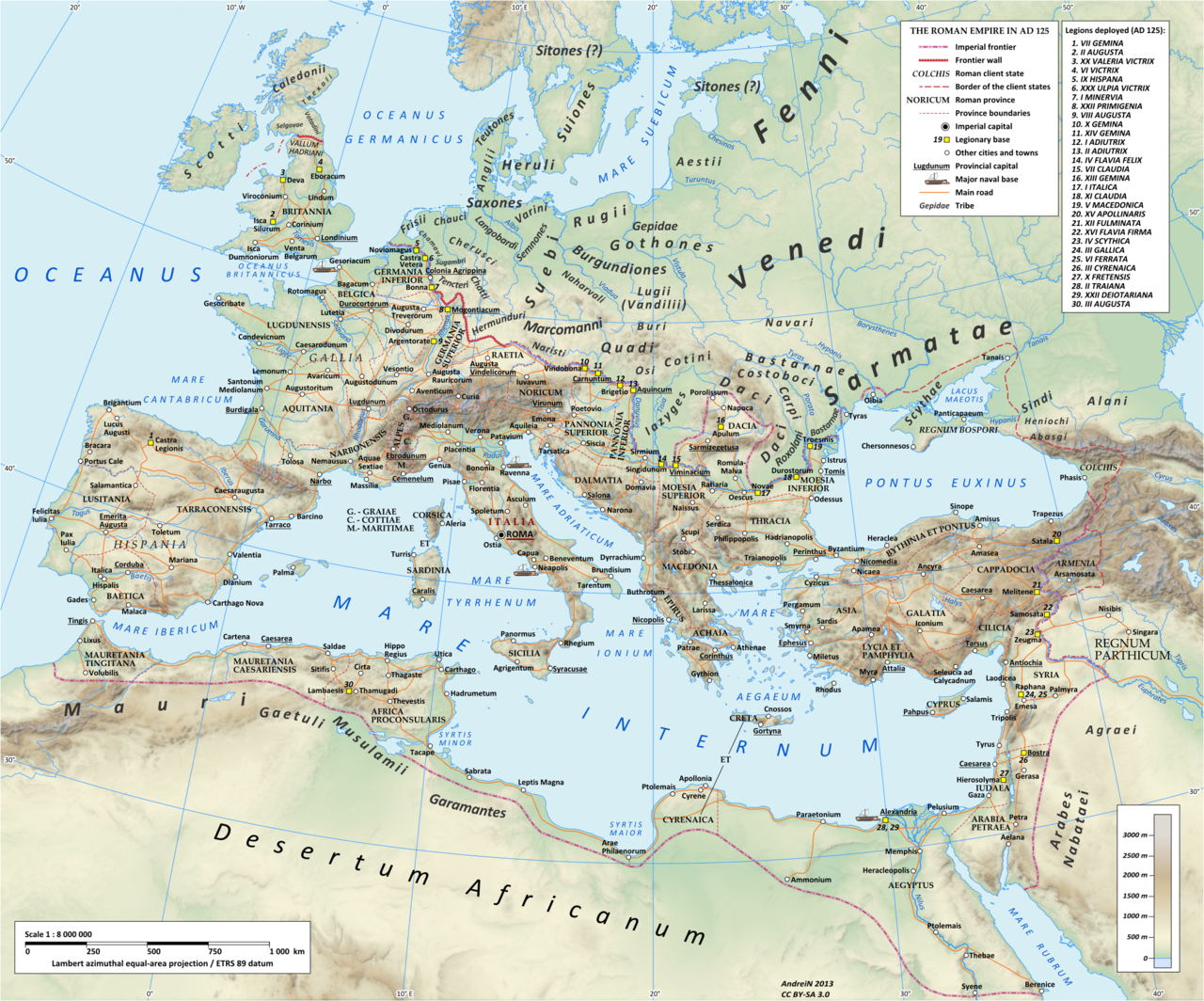
The Saxons were a Germanic people originally settled along the North Sea coast of what is now northern Germany and the northeastern Netherlands. Their historical range and later settlements can be seen on many reconstructions of Saxon distribution (historical distribution) and are tied to several modern German states. Today their cultural and linguistic descendants are concentrated in regions such as Schleswig-Holstein, Lower Saxony and parts of Westphalia, while older Saxon territories extended into parts of the northeastern Netherlands.
Image gallery
6 Images



Regions and local names
In the Low Countries the historical Saxon presence is preserved in provincial areas and dialect regions: Groningen, Drenthe, and the districts of Twente, Salland, the Achterhoek and parts of the Veluwe. These names mark pockets where Saxon language varieties and place-names developed alongside other West Germanic groups.
Early history and migrations
Classical and early medieval writers recorded the Saxons among the coastal Germanic tribes (classical authors). Their original territory reached toward southern Jutland and an area historians call Old Saxony. From the 4th and 5th centuries onward, groups of Saxons moved across the North Sea to the Romano-British provinces. These movements and settlements during the collapse of Roman administration contributed to the formation of the Anglo-Saxon peoples in Britain: the process is often described as a mix of migration and local settlement (migration to Britain) from the Romano-British period (Romano-British province) of Britannia, producing the Anglo-Saxon cultural world (Anglo-Saxons).
Language, beliefs and society
The Saxons spoke Old Saxon, a West Germanic language closely related to other Low German dialects; its descendants survive in modern Low German (Plattdeutsch). Before conversion their religion was the Germanic paganism common to northern Europe, with local gods, rites and customs (Germanic paganism) rooted in native traditions (native traditions). From the late 8th century the Saxons came under pressure from the expanding Frankish realm. The prolonged Saxon Wars led by Charlemagne (late 8th–early 9th century) resulted in annexation and the gradual Christianization of many Saxon communities, though some folk customs and beliefs persisted in rural areas (survivals in folk customs).
Material culture and legacy
One distinctive artefact associated with the Saxons is the seax, a single-edged cutting blade whose name is often cited as a possible root for the ethnonym: see the seax knife and linguistic discussions. Linguistically, Old Saxon and the Anglo-Saxon dialects played a major role in the development of English and in regional Germanic dialects. Many modern German and English place-names, legal terms and everyday vocabulary reflect this heritage. The name for Germany in Finnish and Estonian, Saksa, is derived from the Saxon ethnonym, a reminder of how their name persisted in neighbouring languages.
Distinct identities and notable points
- The medieval Saxons must be distinguished from the later political entities named Saxony; modern Saxony (in eastern Germany) is historically separate from Old Saxony and Lower Saxony (Lower Saxony).
- The term Saxon covers several groups in Britain (East, West and South Saxons) and continental regions; local dialects and customs varied widely.
- Archaeology, place-name studies and medieval chronicles together shape current knowledge, and interpretations continue to be refined by historians and linguists (classical authors and later sources).
For further reading about modern cultural regions, language varieties and archaeological evidence see regional surveys and linguistic studies that document how a once-maritime, frontier culture left enduring traces across northwestern Europe (historical distribution, German states, Netherlands).
Related articles
Author
AlegsaOnline.com Saxons: a Germanic people, their history and legacy Leandro Alegsa
URL: https://en.alegsaonline.com/art/87697