
Anglo-Saxons: People, Language, Kingdoms and Legacy
Germanic-speaking peoples who settled in England from the mid-5th century until 1066; their language, social structures, kingdoms and culture helped shape medieval England and modern English.
Overview
The term Anglo-Saxons refers to a collection of Germanic-speaking peoples who became the dominant cultural and political force in much of what is now England from about the mid-5th century AD until the Norman conquest of 1066. Contemporary writers and later historians describe them as migrants and settlers who spoke varieties of Germanic languages. Early medieval chroniclers such as Bede recorded origin stories and genealogies that influenced later views of their beginnings.
Image gallery
10 Images




Origins and settlement
Archaeological and textual evidence indicate that people from across the North Sea established communities in post-Roman Britain. Classical and medieval sources identify the Anglo-Saxons as the descendants of several groups often grouped together as three principal tribal streams: the Angles, the Saxons and the Jutes. Their arrival probably combined episodes of migration, elite settlement and cultural assimilation of local British populations rather than a single uniform invasion.
Language and regional dialects
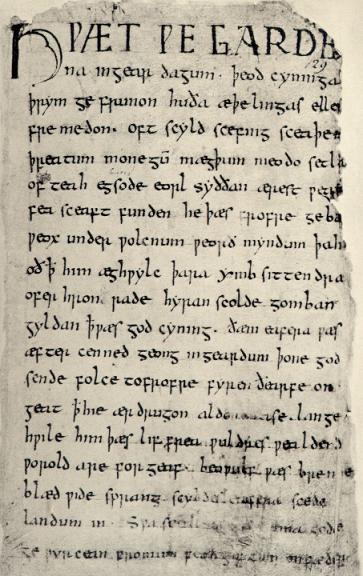
The language spoken by these peoples, known as Old English, developed from several West Germanic dialects. Over the centuries Old English evolved and eventually gave way to Middle English after the Norman conquest. Within England there were several regional varieties—commonly called West Saxon, Mercian, Northumbrian and Kentish—that reflected the political and cultural divisions of the period.
Society, politics and culture
Anglo-Saxon society was organised around kinship, local courts and a network of kingdoms (often described collectively as the Heptarchy). In some areas newcomers appear to have become an upper class that ruled over or blended with existing British communities rather than entirely replacing them. The Anglo-Saxons did not fully conquer all neighbouring areas; for example, native polities in Wales retained their independence even while some English kings claimed occasional overlordship.
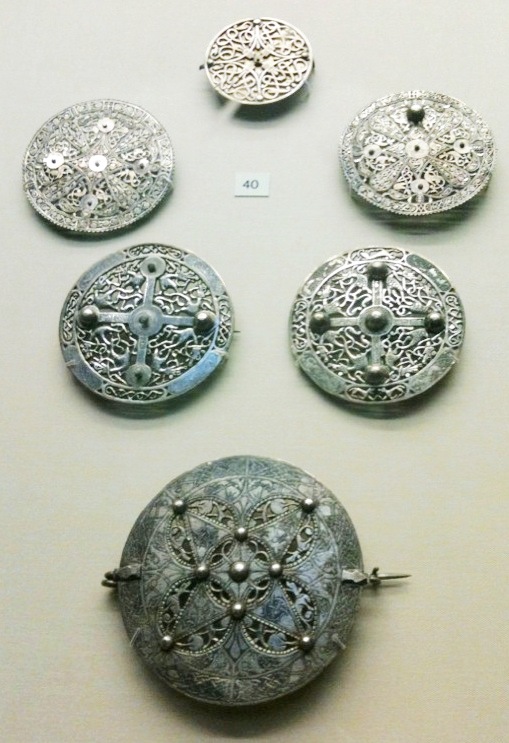
Individuals arrived under varied circumstances: some as warriors, others to cultivate land as farmers or to settle and raise families. Over time they established villages, towns and fortified places, developed law codes, produced distinctive metalwork and textiles, and adopted Christianity through missionary contacts with Rome and the continental church.
Notable features and legacy
- Language: Old English is the ancestor of modern English and contributed much of its core vocabulary and grammar.
- Literature and learning: Religious and historical writing—most famously works preserved in monastic centres—helped record laws, chronicles and poetry.
- Archaeology: Rich burial sites and artefacts illuminate social hierarchy, craftsmanship and connections across the North Sea and Europe.
- Political development: The consolidation of smaller kingdoms into larger polities set the stage for a more unified English monarchy in the later Middle Ages.
Further reading and related topics
- England: geographic and historical context
- 5th-century migrations and early medieval chronology
- Norman conquest and its consequences
- The year 1066 in English history
- Germanic language family
- Bede and early medieval chronicles
- Ethnogenesis and identity
- Tribal groupings and migration traditions
- Angles
- Saxons
- Jutes
- Old English (Anglo-Saxon language)
- West Germanic dialects and influence
- Transition to Middle English
- Social stratification and elites
- Relations with Wales and neighbouring polities
- Concepts of overlordship and kingship
- Agricultural settlement and rural life
- Patterns of family life and community
Questions and answers
Q: Who were the Anglo-Saxons?
A: The Anglo-Saxons were a dominant people living in England from the mid-5th century AD until the Norman conquest in 1066. They spoke Germanic languages and are identified by Bede as the descendants of three powerful tribes - Angles, Saxons, and Jutes.
Q: What language did they speak?
A: The Anglo-Saxons spoke a West Germanic dialect called Old English or Anglo-Saxon. It changed into Middle English from about the 11th century. Old English was divided into four main dialects - West Saxon, Mercian, Northumbrian and Kentish.
Q: How did they replace Celtic culture in England?
A: Modern historians do not think that the Anglo-Saxons drove away Celts but instead that they became an upper class to them in England and Celts then became part of the Anglo-Saxon culture.
Q: Did they conquer Wales?
A: No, some Anglo-Saxons came to Britain as warriors but others came peacefully to become farmers or raise families. The kings claimed overlordship from time to time but never conquered Wales.
Q: Where did their language come from?
A: Their language, Old English or Anglo-Saxon, came from West Germanic dialects. It changed into Middle English from about the 11th century and was divided into four main dialects - West Saxon, Mercian, Northumbrian and Kentish.
Q: Who identified them as descendants of three powerful tribes?
A: They were identified by Bede as descendants of three powerful tribes - Angles, Saxons and Jutes.
Related articles
Author
AlegsaOnline.com Anglo-Saxons: People, Language, Kingdoms and Legacy Leandro Alegsa
URL: https://en.alegsaonline.com/art/4200
Sources
- historyextra.com : "10 things you (probably) didn't know about the Anglo-Saxons"
- bbc.co.uk : "Anglo-Saxons: Invasion and settlement"