
Invasion: military, ecological and other meanings
Comprehensive overview of 'invasion', covering its origins, military use, ecological concept of invasive species, examples, management, and related meanings.
Overview
The term invasion generally describes the entry of an agent into a place or system where it was not previously established. In common usage it most often refers to armed forces entering foreign lands, but the word also applies in ecology, epidemiology, law enforcement, sports and everyday metaphors. The English word traces back to Latin roots such as invadere, which convey a sense of entering or attacking.
Image gallery
10 Images




Military meaning and characteristics
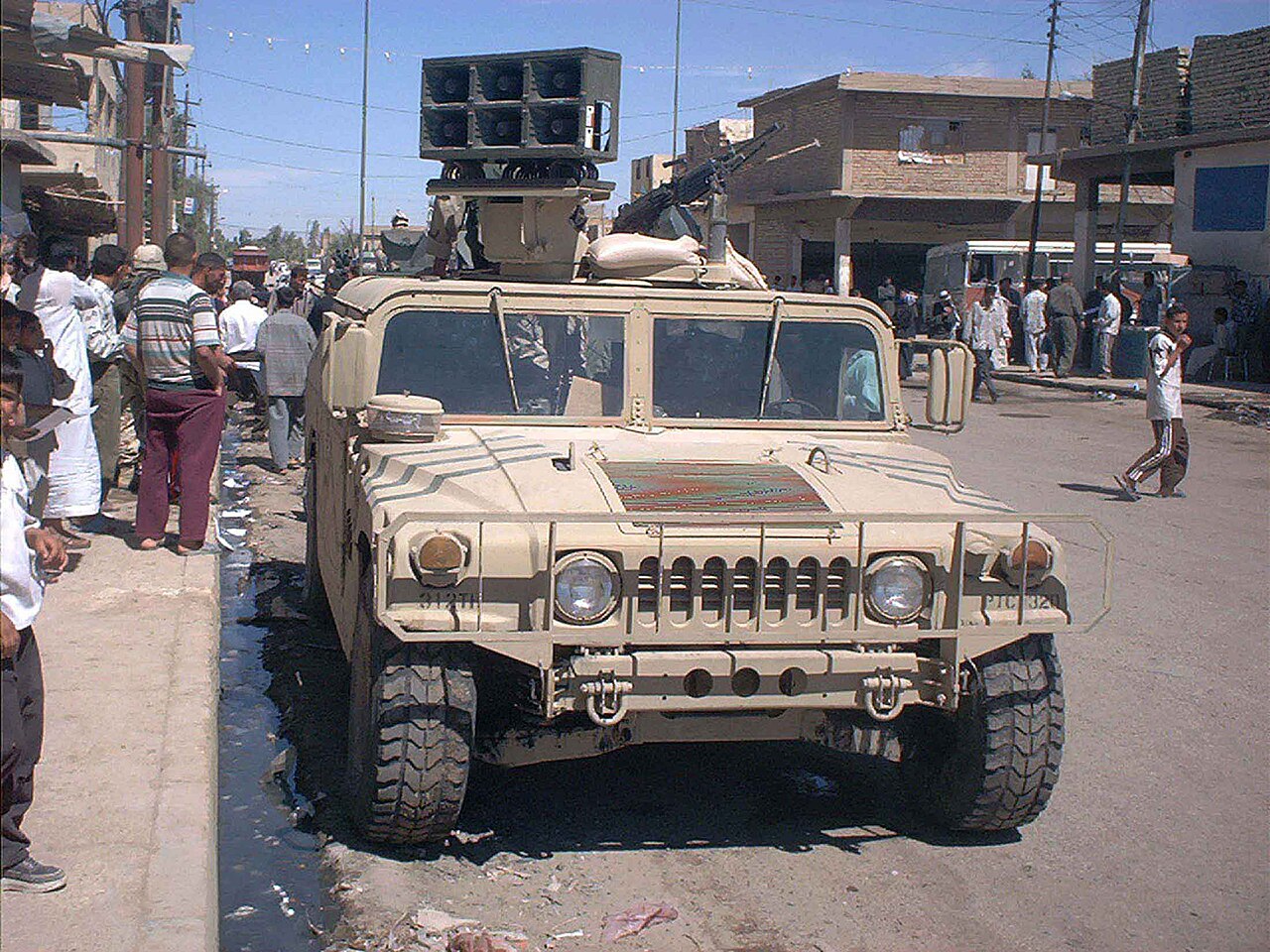
In a military context an invasion is the movement of armed units into territory controlled by another political authority with the intention of seizing, occupying or otherwise altering control. It typically involves planning, logistics, and the deployment of troops and materiel to overcome resistance. An invasion can be the initial act that begins a war, an operation during an ongoing conflict, or a limited incursion intended to achieve a specific goal. The invader may aim to occupy, annex, or extract resources from the target, and the defended party may respond through counter‑measures, diplomacy, or appeals to allies.
Ecological use: invasive species and examples
Biologists and ecologists use the term to describe organisms that establish, spread and cause harm outside their native range. Such invasive species often arrive through human activity—intentional introduction, accidental transport, or changes to habitats that favour them. Familiar phenomena include outbreaks of locust plagues or sudden blooms of non‑native algae. These events are sometimes described as swarms or invasions because of rapid population expansion and movement into new areas.
A well‑known historical example is the introduction of European rabbits to Australia. Without effective predators or diseases to check them, rabbit populations grew rapidly and caused severe agricultural and ecological damage. Attempts to control that invasion included hunting, fencing, biological controls and, controversially, the introduction of predators such as foxes, which created additional ecological problems.
Other senses and metaphors
Beyond physical incursions, invasion is applied metaphorically: a violation of personal space or privacy, the spread of ideas or cultural practices, or the situation in some team sports where one side tries to enter and control the opponent’s area. Legal and ethical discussion sometimes treats such non‑physical invasions as harms worthy of remedy or regulation. In all usages the core idea is an entity entering and imposing influence where it previously lacked presence or authority.
History and development of the concept
The notion of invasion as a military practice is ancient and appears in many societies’ histories and writings. Discussions about invasion have evolved as technology, state systems and norms changed, influencing law (for example, doctrines about sovereignty and aggression) and public perception. In ecology the concept gained prominence as global trade and transportation increased species movement, and as scientists documented ecological harm from non‑native organisms.
Prevention, management and significance
- Military invasions are addressed through diplomacy, alliances, deterrence, and defense planning.
- Ecological invasions are managed with prevention, early detection, eradication where possible, and long‑term control measures.
- Legal and social frameworks seek to limit harmful non‑physical invasions (privacy laws, cultural protections).
Understanding the different kinds of invasion helps policy makers, managers and the public weigh risks and responses. Whether discussing armed conflict, invasive organisms, or metaphorical intrusions, the term signals a change in control, presence or balance that often requires a deliberate response.
For further reading on the word's uses and examples, see sources on linguistic history, military doctrine and ecological literature linked by topic: occupation, foreign territory, state, biologists.
Related articles
Author
AlegsaOnline.com Invasion: military, ecological and other meanings Leandro Alegsa
URL: https://en.alegsaonline.com/art/47900