
Westphalia: region, history and cultural identity in northwestern Germany
Westphalia (German: Westfalen) is a historic region in northwestern Germany, known for its varied boundaries, distinctive dialects and for the 1648 Peace of Westphalia that reshaped European politics.
Overview
Westphalia (German: Westfalen) is a historic and cultural region in northwestern Germany. Its extent has changed many times, so Westphalia is best understood as a region with a shared historical identity rather than a fixed political border. Modern usage often associates most of the area with the present state of North Rhine-Westphalia, but parts of the historical region fall within neighbouring federal states.
Image gallery
10 Images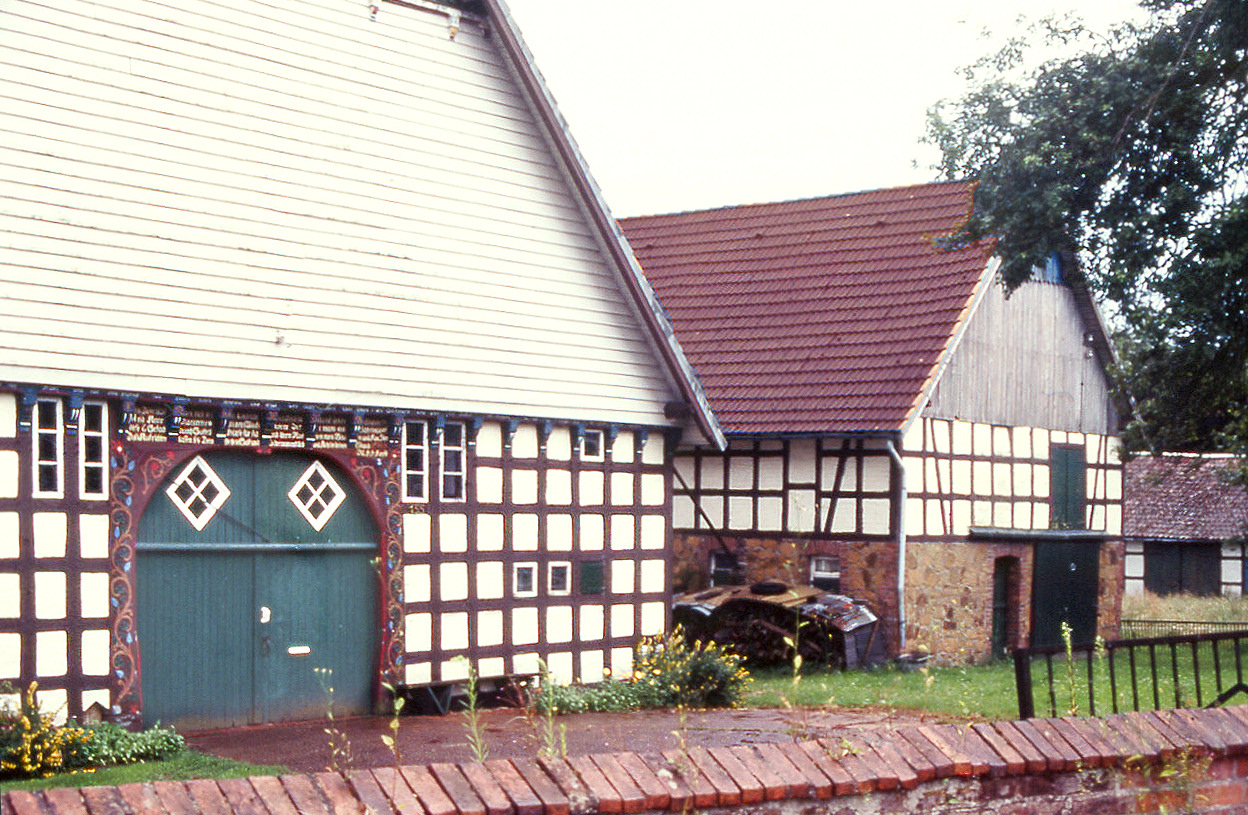



Geography and central places
Geographically, Westphalia lies roughly between the rivers Rhine and Weser, and includes territory north and south of the Ruhr. Because the region's limits have varied by era and administrative unit, published estimates of its size and population differ; figures commonly cited range from about 16,000 to 22,000 km² (km²) or 6,200 to 8,500 sq mi (sq mi), with population estimates reflecting differing definitions of the area.
Major urban and regional centres generally considered part of Westphalia include:
Historical development
The name Westphalia has been used for different political entities over centuries, from medieval duchies and bishoprics to provinces inside larger states. After the upheavals of the Napoleonic era and the reorganisation of German territory in the 19th century, a Prussian Province of Westphalia emerged; later 20th-century reforms and the post‑war settlement created new administrative units, most notably the 1946 formation of the state of North Rhine-Westphalia. Because the historical borders shifted, historians and geographers often specify which definition of Westphalia they mean.
Language, culture and landscape
Westphalia includes a range of dialects and cultural traits sometimes grouped under the Westphalian dialects. A linguistic definition of the region can reach beyond the former Prussian province to include areas such as Lippe and the vicinity of Osnabrück, while excluding districts like Siegen‑Wittgenstein. To the north and west lie lowlands and river plains such as the Emsland, while the interior contains agricultural districts, market towns and the more industrialised Ruhr corridor.
Significance and notable facts
Westphalia is internationally remembered for the Peace of Westphalia, concluded in 1648, which ended the Thirty Years' War and introduced principles that influenced the modern concept of state sovereignty. Architecturally and culturally, the region preserves traditional building types such as the Westphalian farmhouse and a rich local folklore and cuisine that reflect rural and industrial histories side by side.
Today, Westphalia's identity is visible in administrative names, regional institutions, dialect studies and tourism, but precise boundaries remain a matter of context: whether one speaks of linguistic areas, historic provinces, economic regions or current federal states will determine what is meant by "Westphalia." For further reading on specific towns, administrative history and dialects, consult regional entries and archives linked throughout this article.
Related articles
Author
AlegsaOnline.com Westphalia: region, history and cultural identity in northwestern Germany Leandro Alegsa
URL: https://en.alegsaonline.com/art/107597