
Scottish people: identity, language, history and culture
An overview of the Scottish people—origins, languages, cultural traditions, historical development, and modern identity including distinctions like Scots, Scottish Gaelic, and diaspora.
Scottish people, commonly called Scots, are those who were born in Scotland or who trace their heritage to the country and its communities. Scotland itself is a distinct nation within the United Kingdom; more on the place is available at Scotland. Scottish identity is shaped by regional, linguistic and historical differences rather than by a single uniform culture.
Image gallery
10 Images


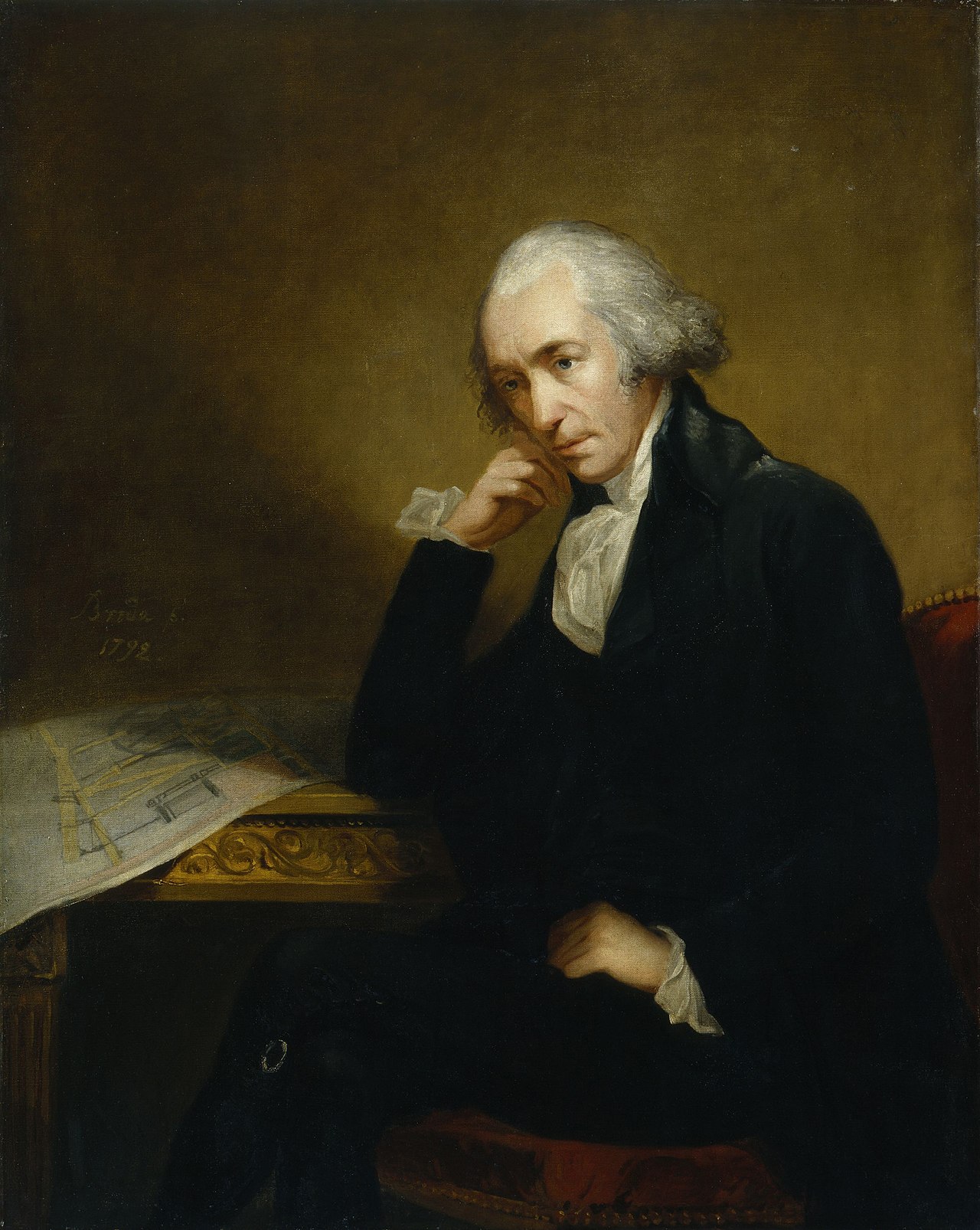


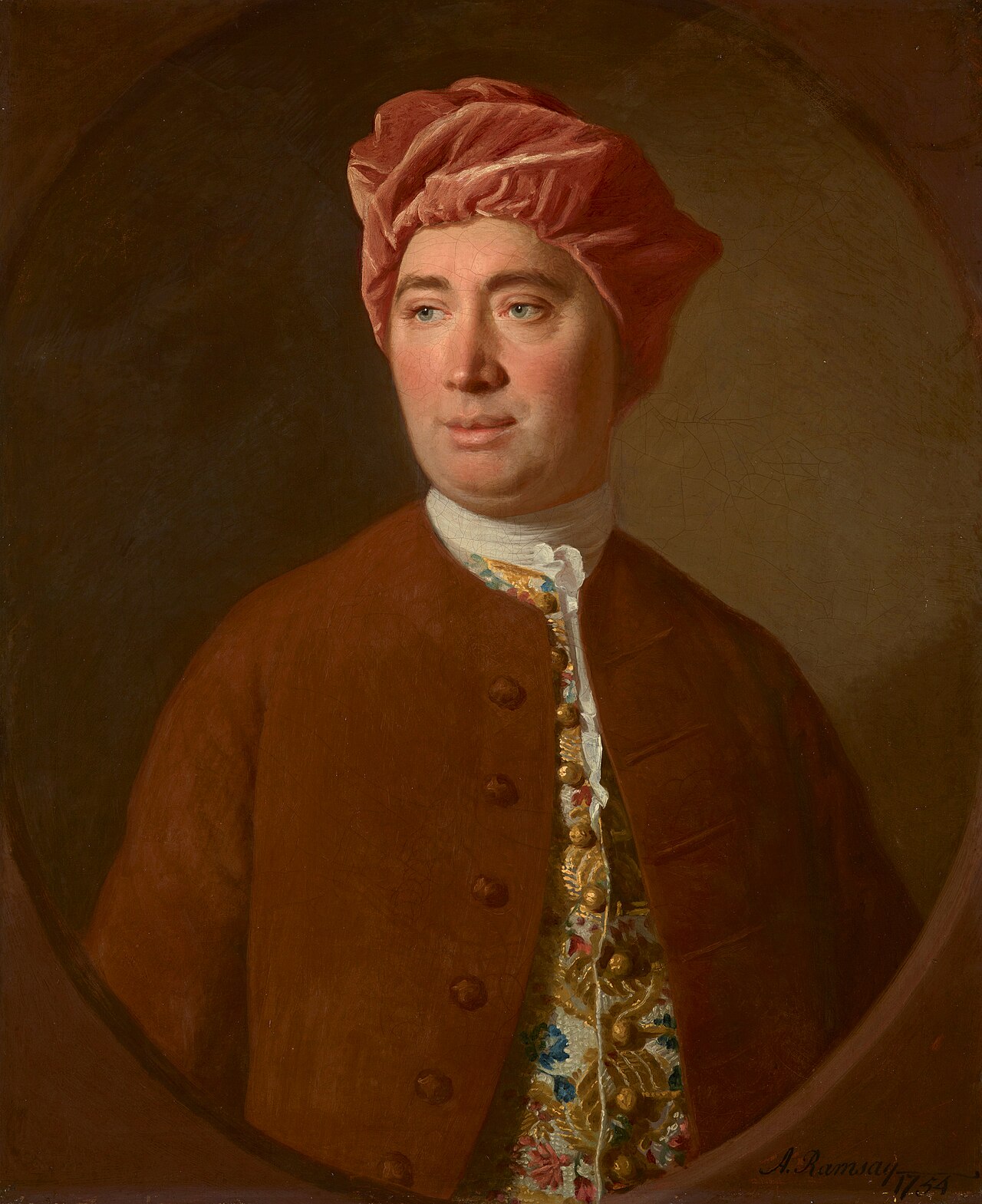


Languages and regional differences
Several languages and varieties are associated with Scotland. Most people speak Scottish English, a range of English dialects with its own pronunciation and vocabulary (Scottish English). A separate Germanic variant called Scots is spoken by many as a first or second language. In parts of the Highlands and islands, Scottish Gaelic—a Celtic language—remains an active cultural resource and community language; these areas are often referenced as the Highlands and islands.
Historical development
Scotland's population descends from diverse groups including ancient peoples of the region, Gaels, Norse settlers in the islands, and later Anglo-Norman influences. Political unification and the medieval kingdom of Alba led to a distinct Scottish monarchy and institutions. Important turning points include periods of clan society in the Highlands, union with England in 1707, industrialization, and large-scale emigration that produced a widespread diaspora.
Culture, traditions and contributions
Scottish culture features music (bagpipes and folk song), dress (tartan and kilts), festivals (Burns Night and Hogmanay), and traditional foods such as haggis. Clan ties and surnames remain symbols of identity for many. Scotland has made notable contributions to philosophy, science and literature—figures of the Scottish Enlightenment and national poets are widely celebrated. The national poet Robert Burns is a central cultural figure and symbol of Scottish literature (Robert Burns).
Institutions, society and diaspora
Scotland retains distinct legal and educational systems (Scots law and a historic emphasis on universal schooling). Religion has historically been shaped by Presbyterianism, though modern society is pluralistic. Large communities of Scottish descent live abroad, especially in North America, Australia and New Zealand, influencing global perceptions of Scottish identity.
Notable distinctions and modern identity
- Language: Scottish English, the Scots language, and Scottish Gaelic are separate but overlapping.
- Regional contrast: Lowlands versus Highlands and islands, with different histories and dialects.
- Legal and political: Scots law and a devolved Scottish Parliament shape contemporary governance.
- Culture: strong traditions in music, literature and public festivals that reaffirm national identity.
Together these elements form a multifaceted sense of who the Scottish people are: a blend of geography, language, history and community practices that continue to evolve in the 21st century.
Related articles
Author
AlegsaOnline.com Scottish people: identity, language, history and culture Leandro Alegsa
URL: https://en.alegsaonline.com/art/88146
Sources
- gov.scot : "The Scottish Diaspora and Diaspora Strategy: Insights and Lessons from Ireland"
- scotlandscensus.gov.uk : "Statistical Bulletins - Scotland Census 2011"
- factfinder.census.gov : American Community Survey 2008 by the US Census Bureau
- parade.com : "Who are the Scots-Irish?"
- www12.statcan.ca : 2006 Canadian Census
- abs.gov.au : "ABS Ancestry"
- www2.stats.govt.nz : "stats.govt.nz"
- gov.im : gov.im/lib/docs/treasury/economic/census/censusreport2006.pdf
- gov.uk : gov.uk/government/uploads/system/uploads/attachment_data/file/274477/scotland_analysis_bo…
- gov.scot : gov.scot
- friendsofscotland.gov.uk : "Friends Of Scotland"
- ancestralscotland.com : The Ancestral Scotland website
- scotland.org : "History, Tradition and roots, ancestry"
- visitscotland.org : "Visit Scotland.org"