
Groningen (province) — northeast Netherlands: geography, economy, culture
Groningen is a northeastern Dutch province with a low, agricultural landscape, a university city as capital, significant natural gas production, and distinct local dialects and history.
Overview
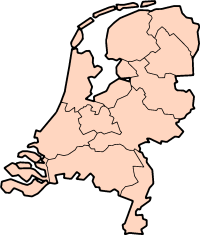
Groningen is a province in the northeast of the Netherlands. It borders Germany to the east and the German region Lower Saxony in particular. Within the Netherlands it meets the provinces of Drenthe to the south and Friesland to the west. To the north lies the tidal zone of the Wadden Sea, an internationally important coastal area. The provincial capital is the city of Groningen, which often gives its name to the whole area; locals frequently distinguish the city (the stad) from the surrounding countryside known as the Ommelanden.
Image gallery
10 Images




Landscape and population
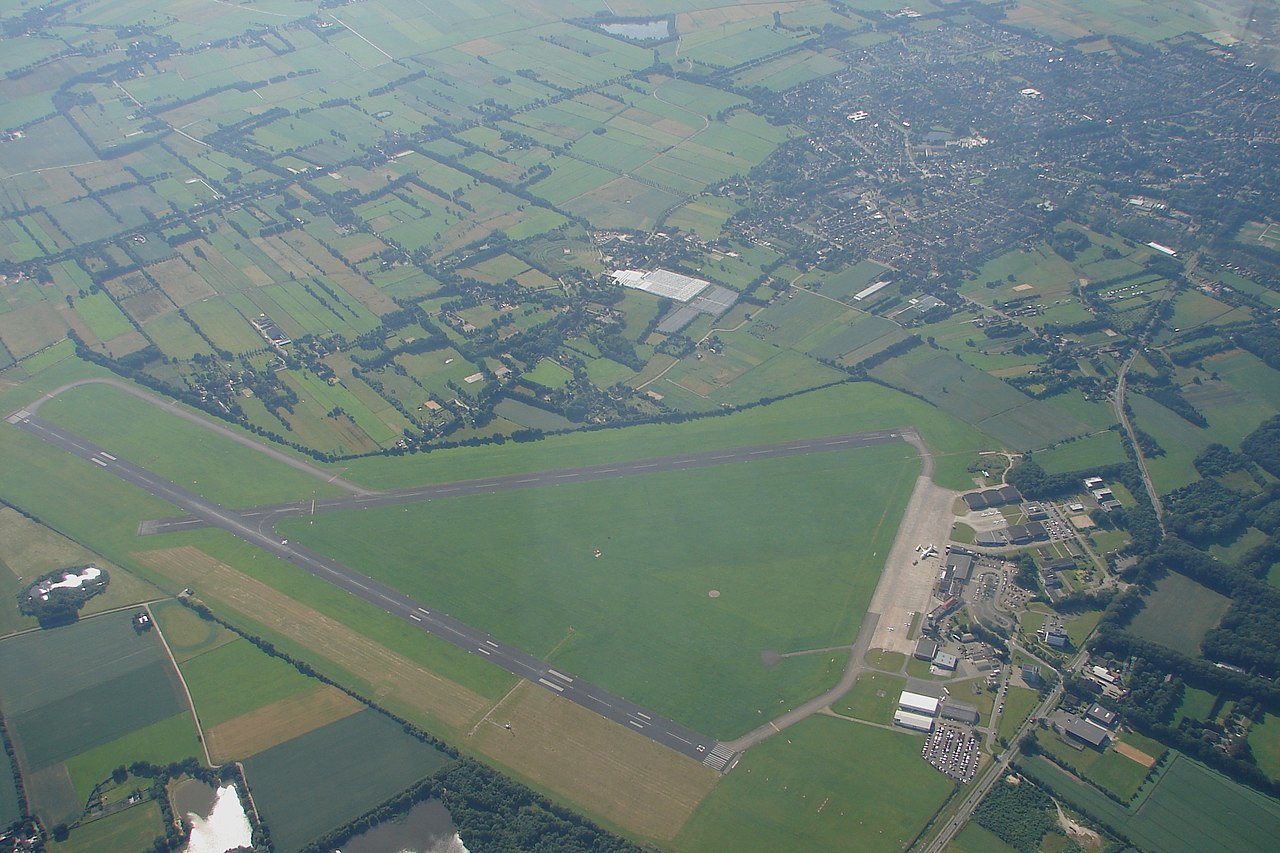
The province is characterized by flat lowlands, fertile agricultural fields, peat and clay soils, and a network of canals and ditches shaped by centuries of water management. Much of the economy outside the main urban area is rural and farm-based. Groningen’s population is several hundred thousand people (about 587,000 in recent counts), concentrated in the city and a handful of towns along transport and industrial corridors.
Economy and energy
Agriculture and food production remain central to the local economy, alongside energy extraction and chemical industry. The discovery and exploitation of a large natural gas field near Slochteren transformed the province into an important supplier of natural gas for the Netherlands and Europe. Gas production brought wealth and industrial development but also social and environmental challenges: extraction has been linked to ground tremors and building damage in parts of the region, prompting policy changes and compensation programs.
Culture, language and institutions
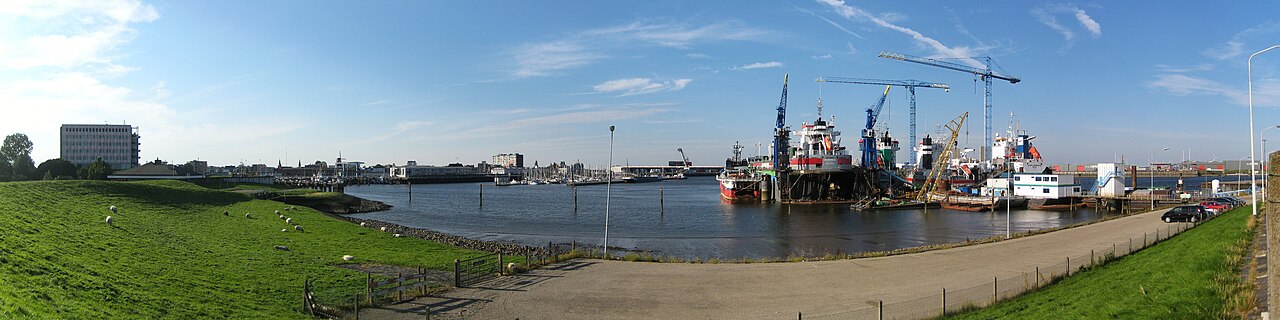
The city of Groningen hosts a major university and cultural institutions that serve the wider province, giving it a youthful, international atmosphere. In the countryside, local identity remains strong. The Gronings dialect—a variety related to Low Saxon—is still spoken by many people and is an important marker of regional heritage. Traditional festivals, local foods and small museums reflect the area’s agrarian past and maritime links to the Wadden coast.
Politics, history and notable facts
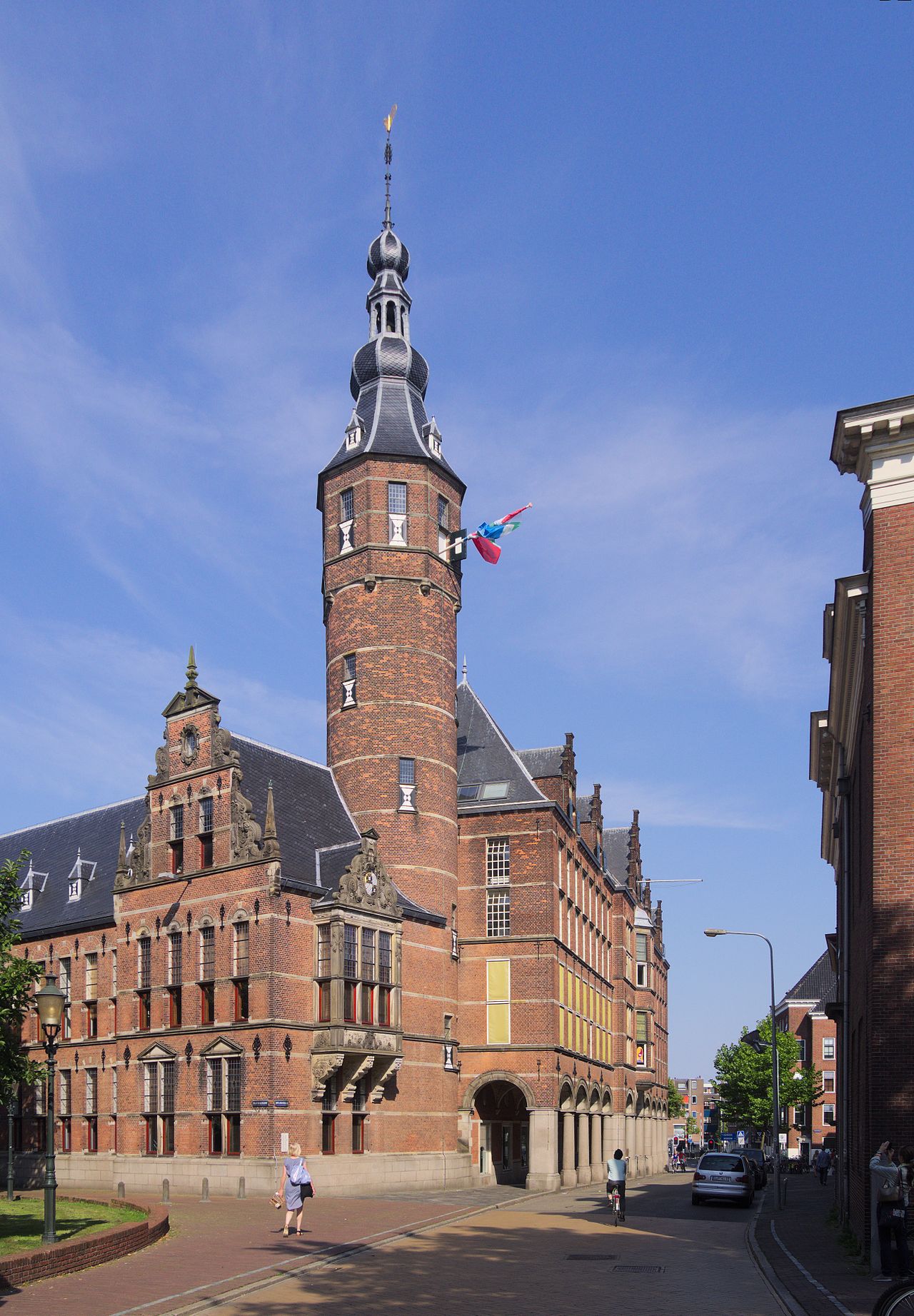
Groningen has a varied political landscape. Historically certain rural communities showed unusual support for left-wing and even communist movements at different times, and local politics often center on issues like land use, energy policy and regional development. Architecturally, the city of Groningen contains medieval and modern landmarks; the wider province includes ports, salt and chemical works, and important nature reserves along the coast.
Practical notes and distinctions
- When people say "Groningen" they may mean the province or the city; context and the local term stad versus Ommelanden clarify which is intended.
- The northern coastline is part of the Wadden tidal zone, with special ecological value and protections.
- Energy issues—particularly natural gas extraction—continue to shape economic policy and public debate in the province.
For a quick orientation, the province links natural landscapes and farming traditions with an urban university center and a modern industrial and energy sector. Further reading on administration, transport and tourism can be found via regional resources and official provincial websites (provincial overview, national context).
Questions and answers
Q: What is the capital of Groningen?
A: The capital of Groningen is also called Groningen.
Q: How many people are living in Groningen?
A: About 587,000 people are living in Groningen (2021).
Q: What are the important sources of income for the province?
A: Important sources of income are agriculture and natural gas extraction Slochteren.
Q: What is the region to the east of Groningen?
A: The region to the east of Groningen is Lower Saxony.
Q: What do people from Groningen call their city and its surrounding lands?
A: People from Groningen often call their city "stad" ("city") and its surrounding lands "Ommelanden" (which means something like "surrounding lands").
Q: What dialect is spoken in Groningen?
A: In Groningen, a dialect related to Low Saxon is spoken.
Q: Is there strong support for any particular political party in certain parts of the province?
A: Yes, there is strong support for the communist party in Northeastern part of the province.
Related articles
Author
AlegsaOnline.com Groningen (province) — northeast Netherlands: geography, economy, culture Leandro Alegsa
URL: https://en.alegsaonline.com/art/40995