
Drenthe — province in the northeast of the Netherlands
Drenthe is a largely rural Dutch province known for heathland, peat bogs, Neolithic hunebeds, outdoor recreation and the regional capital Assen. It borders Germany and several Dutch provinces.
Overview
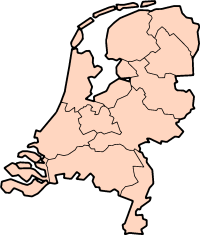
Drenthe is a province in the northeast of the Netherlands. Its capital and largest city is Assen. The province is relatively rural and lightly populated — about 495,000 people lived there in 2021 — and it is valued for open landscapes, long-distance cycling routes and quiet villages. The local character combines agricultural land, heath and peatland with important archaeological remains.
Image gallery
10 Images




Geography and climate
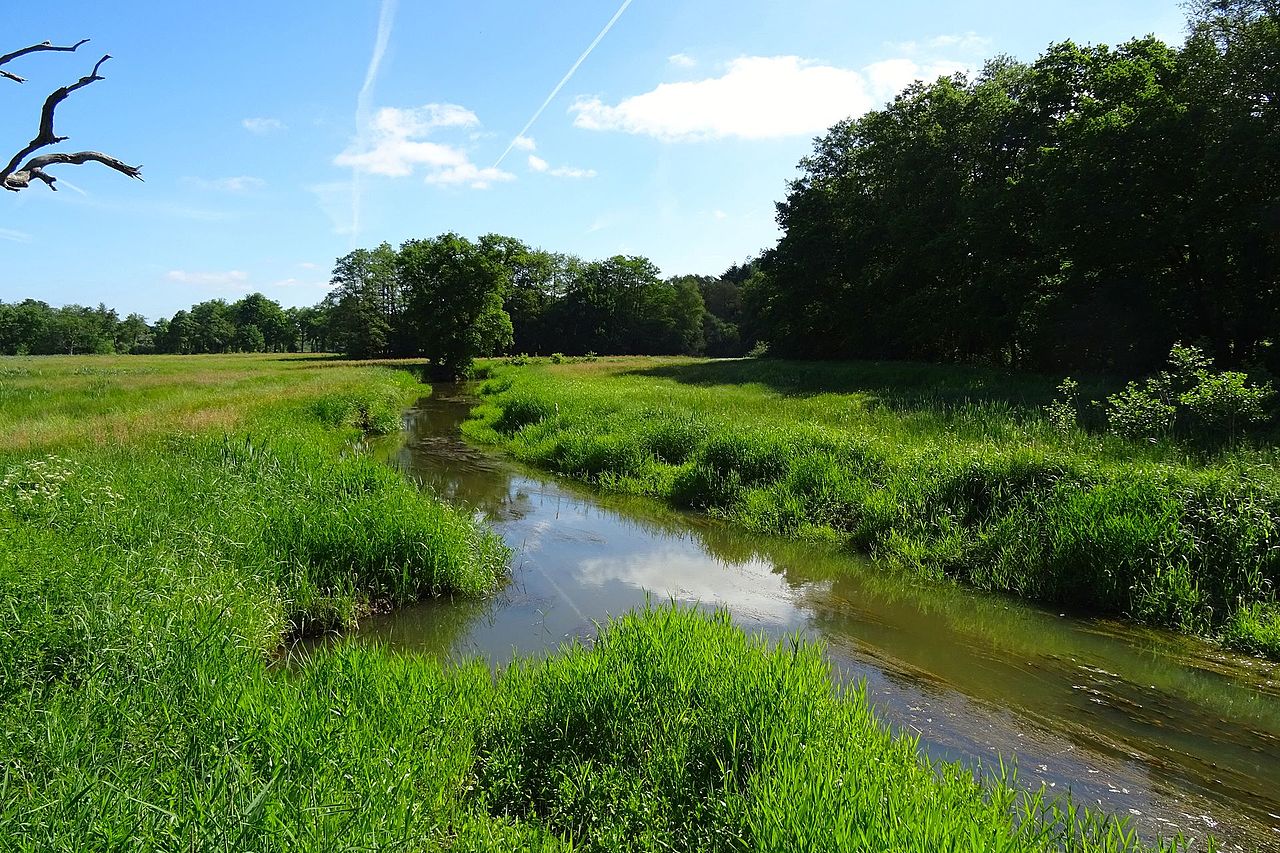
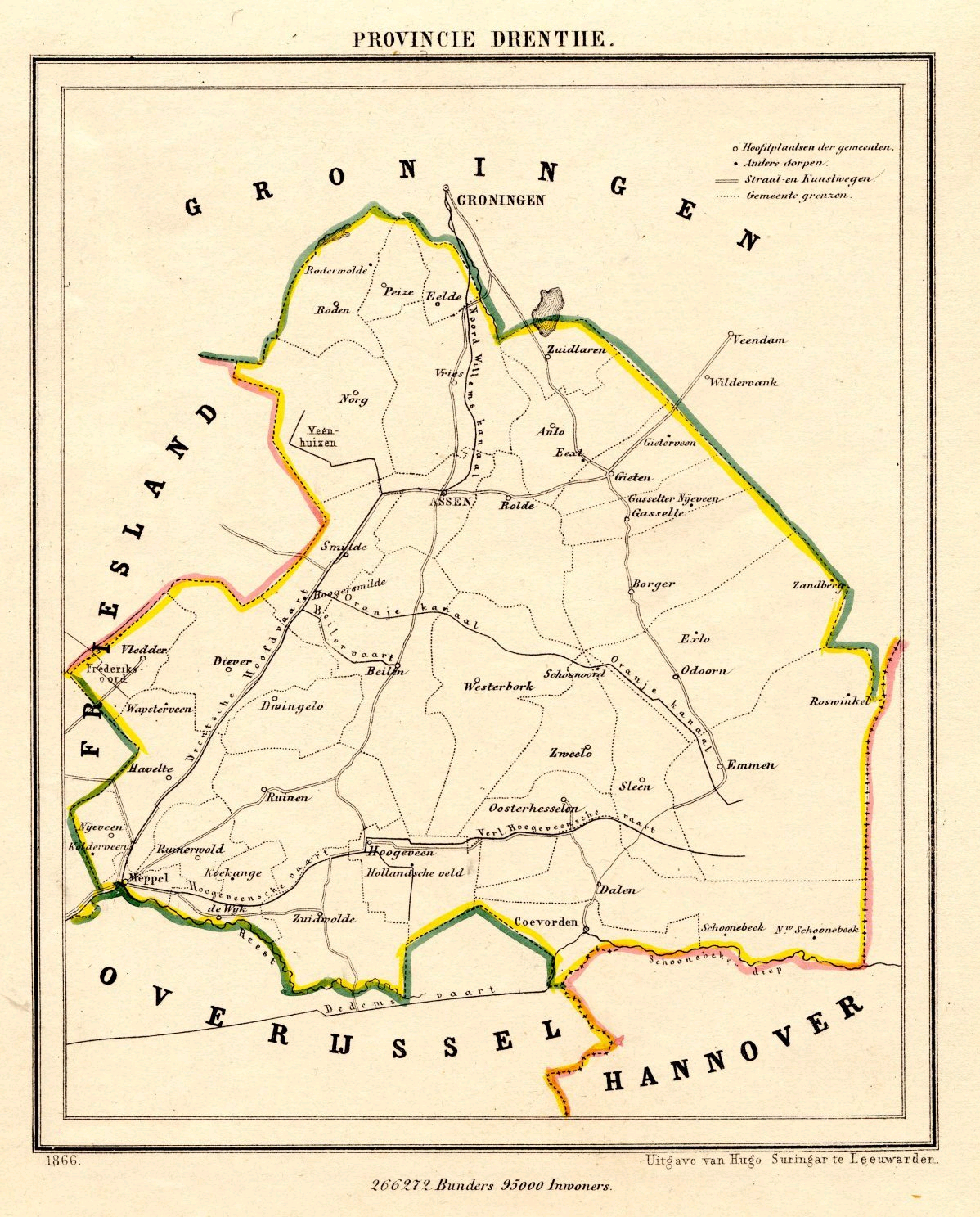
Drenthe lies south of the province Groningen, west of Friesland and north of Overijssel. Its eastern border meets the German state of Lower Saxony, part of Germany. The landscape is dominated by sandy soils, heath, scattered woodlands and former peat bogs that were historically excavated for fuel. The climate is temperate maritime, with moderate rainfall and relatively mild winters compared with inland Europe.
History and archaeology
Human presence in Drenthe dates to prehistory. The province is especially famous for its hunebeds (megalithic tombs) built in the Neolithic period; clusters of these stone monuments are scattered across the countryside and attract both researchers and visitors. Over later centuries the region developed as a network of small farming communities, with peat extraction shaping settlement and economy in the medieval and early modern periods.
Nature and conservation
Large protected areas conserve heathland and wetland habitats. Sites such as the Dwingelderveld and other reserves are important for heath species, migrating birds and traditional cultural landscapes. Conservation organisations and provincial authorities work to balance farming, recreation and habitat restoration, including rewetting former peatlands to reduce subsidence and greenhouse gas emissions.
Economy, culture and recreation
The economy combines agriculture, small-scale industry, public services and tourism. Outdoor recreation—cycling, walking, birdwatching and horseback riding—forms a substantial part of the visitor draw. Cultural attractions include regional museums such as the Drents Museum in Assen, open-air exhibits, festivals and the motorsport events at the TT Circuit in Assen. Traditional crafts and local produce remain part of the province's identity.
Practical information
- Capital: Assen
- Neighboring provinces: Groningen, Friesland, Overijssel
- Bordering country/state: Lower Saxony (Germany)
- Regional information and travel resources: see provincial guides and local tourist offices linked through official portals such as a provincial website or municipal pages.
Visitors come to Drenthe for its combination of history and quiet countryside. Whether exploring hunebeds and museums, cycling across heath and forest or learning about peatland restoration, the province offers a mix of natural and cultural heritage that reflects its long and varied past.
Questions and answers
Q: What is the pronunciation of Drenthe?
A: The pronunciation of Drenthe is "DREN-te".
Q: What is the capital city of Drenthe?
A: The capital city of Drenthe is Assen.
Q: What are the provinces that border Drenthe?
A: The provinces that border Drenthe are Overijssel to the south, Friesland to the west, and Groningen to the north. East of it is Lower Saxony in Germany.
Q: How many people live in Drenthe (2021)?
A: Approximately 495,000 people live in Drenthe (2021).
Q: Where is Lower Saxony located?
A: Lower Saxony is located east of Drenthe and it's a part of Germany.
Q: Is Groningen a province or a country?
A: Groningen is a province located north of Drenthe.
Related articles
Author
AlegsaOnline.com Drenthe — province in the northeast of the Netherlands Leandro Alegsa
URL: https://en.alegsaonline.com/art/28922