
Britannia: personification and symbol of Britain
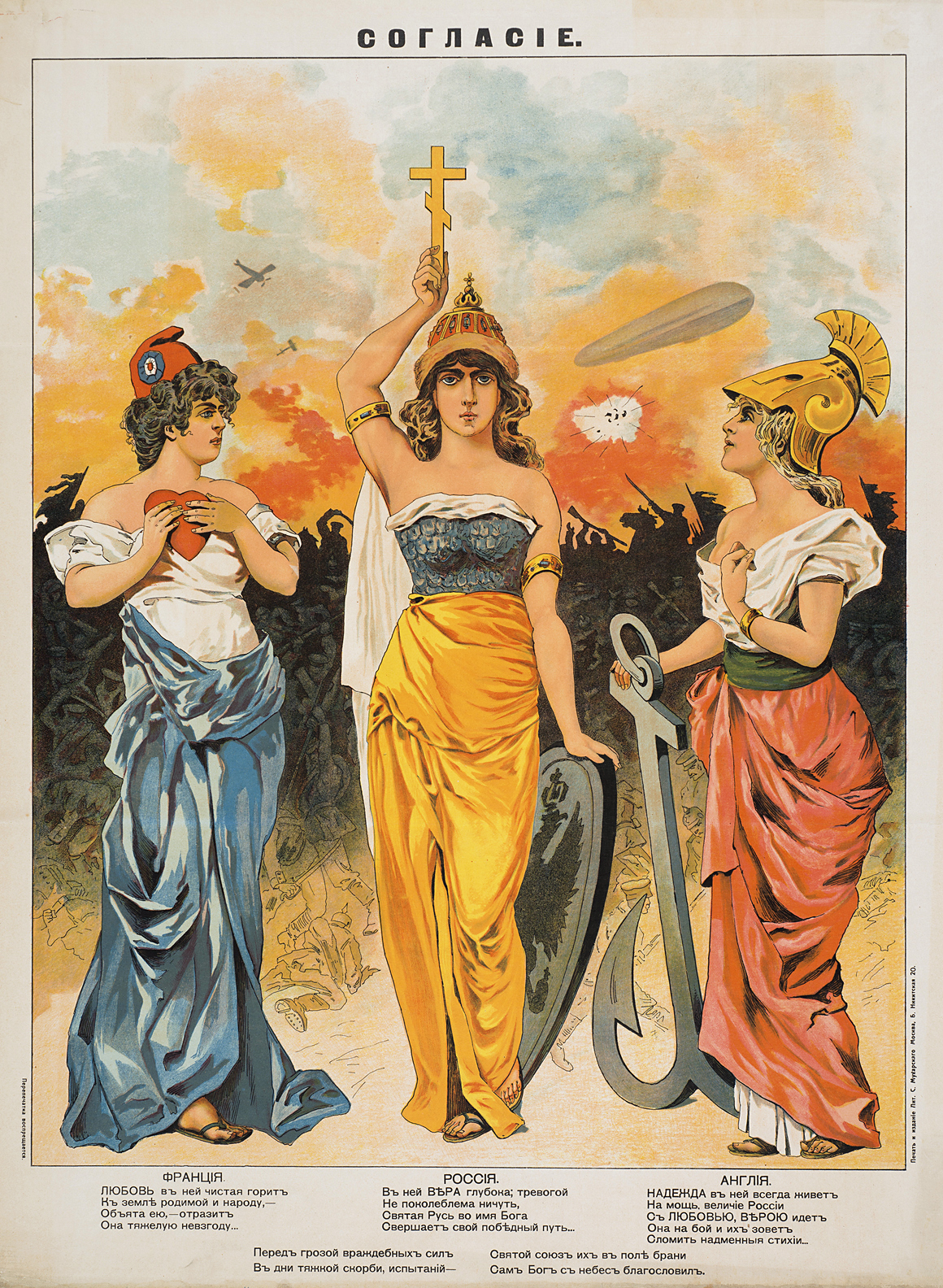
Britannia is the female national personification of Britain, depicted with shield, helmet and trident. Originating in Roman antiquity, she has appeared on coins, monuments and in cultural imagery through centuries.
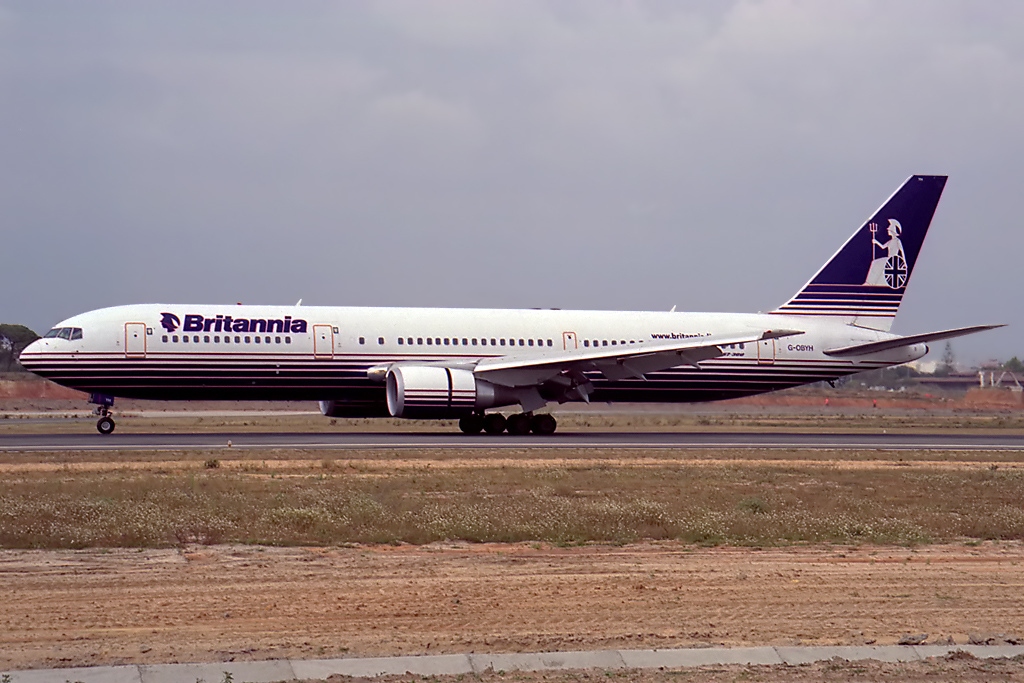
Britannia is the long-standing national personification of Britain, conventionally shown as a seated or standing woman bearing a shield and maritime weaponry. As an emblem she evokes national identity, maritime power and civic unity, and is commonly portrayed wearing a helmet and carrying a shield and trident as attributive symbols of defence and naval strength. Personification and her attributes are widely recognised in modern British iconography. Trident, shield and helmet are the typical elements that make the figure immediately identifiable.
Image gallery
10 Images


Origins and classical usage
The name Britannia comes from Latin usage in antiquity. In Roman texts the term could denote the whole British Isles, the island of Great Britain itself or the Roman province established after conquest. The Latin form and use of the name reflect contacts with the Roman world and its administration of the island within the Roman Empire. The Latin word is therefore central to how the territory and its people were described in classical sources. Britannia (Latin) became a conventional toponym from the first century BC onward.
Iconography and early representations
Early visual references to a female personification date to Roman times. The Roman mint produced coins in the 2nd century AD that showed a reclining or seated figure symbolising the province, often with a long spear or similar implement; these coins are among the first durable images of the figure. Roman coinage (2nd century) and contemporary reliefs helped fix a set of visual traits—seated posture, martial accoutrements and an association with the sea. The figure was sometimes understood as a local goddess or divine personification rather than a literal national portrait, and classical dedications and altars attest to cultic or votive uses. Spear and other martial motifs appear in these early depictions.
Rebirth on coins and development of modern attributes
Britannia returned as a prominent motif on British coinage in the post-medieval era. Coin types struck in the reign of Charles II featured a female figure and introduced the combination of Britannia with a shield bearing national symbols. Later changes reflect shifting national self-image: after a period of naval success the trident—evocative of maritime dominion and associated with the sea god Neptune—was added to the figure's iconography towards the end of the 18th century. One notable series of coinage began to include a trident from 1797, while helmets and other military accoutrements became regular from the early 19th century. Charles II coinage, the rise of the Royal Navy and later minting choices all influenced how Britannia appears on money.
Britannia as a goddess and archaeological evidence
In Roman Britain the figure could be worshipped or venerated as a goddess. Several inscriptions and altars attest to such cultic practice by soldiers and local communities. For example, an altar dedicated near the Antonine frontier and now housed in Glasgow has been linked to a soldier's dedication to the goddess, and other inscriptions once associated with York and other Roman towns name or refer to Britannia in religious contexts. Archaeological finds—altars, bases for statues and votive stones—give tangible evidence of the figure's ancient reverence. See local finds and museum records for specific examples: Antonine Wall, Glasgow, York (Eboracum), and references to a lost gritstone statue base. Gritstone base, statue base and military dedications by the Roman army survive in records.
Common elements and cultural role
- Attributes: shield (often bearing national emblems), trident or spear, helmet and sometimes a lion at her feet.
- Names and meanings: Britannia as a toponym replaced older names such as Albion in Roman usage and came to signify both land and personified nation. See classical geographic terms for context: classical antiquity, Roman Britain.
- Geographic notes: Roman control did not cover all of the island; areas north of the River Forth in what is now Scotland (Caledonia) were sometimes beyond full domination.
- Legacy: Britannia appears in public monuments, state symbolism and popular culture; she remains a concise visual shorthand for Britain in diplomatic, numismatic and artistic contexts.
The figure of Britannia thus links ancient provincial imagery and modern national symbolism: from Roman coins and altars to the icons on modern coins and civic statuary she provides continuity in how Britain has been represented and imagined. For regional finds, numismatic studies and museum catalogues consult primary collections and specialist literature. Great Britain as territory, the Roman province and later national uses are all facets of the same evolving emblem. River Forth-era references and inscriptions continue to inform historians and archaeologists about how ancient peoples perceived the land that later came to be called Britannia.
Questions and answers
Q: What is Britannia?
A: Britannia is the national personification of Britain as a woman with a trident and shield and wearing a helmet.
Q: When was the image of Britannia first used?
A: The image of Britannia was first used in classical antiquity.
Q: What did the word 'Britannia' mean in Latin?
A: In Latin, 'Britannia' could mean the British Isles, the island of Great Britain, or the Roman province of Britain in the time of the Roman Empire.
Q: What does Britannia's image show her doing on coins?
A: Images of Britannia on coins show her sitting or lying down with a spear and shield.
Q: When were coins with Britannia first made for Charles II?
A: Coins with Britannia were first made for Charles II of England, Scotland, and Ireland after many victories by Britain's Royal Navy.
Q: When did coins start showing Neptune's trident from 1797?
A: Coins started showing Neptune's trident from 1797 after many victories by Britain's Royal Navy.
Q: When did coins start showing her wearing a helmet after 1825?
A: Coins started showing her wearing a helmet after 1825.
Related articles
Author
AlegsaOnline.com Britannia: personification and symbol of Britain Leandro Alegsa
URL: https://en.alegsaonline.com/art/14232
Sources
- reshistoriaeantiqua.co.uk : PTOLEMY'S GEOGRAPHIA, BOOK II – DIDACTIC ANALYSIS · archive.org
- archontology.org : England: Anglo-Saxon Royal Styles: 871–1066, Anglo-Saxon Royal Styles (9th–11th centuries)
- 195.220.134.232 : 195.220.134.232/numerisation/tires-a-part-www-nb/0000005547609.pdf