
Gelatin: composition, production, properties, uses and alternatives
Gelatin is an animal‑derived protein from collagen used as a gelling, stabilizing and binding agent in food, pharmaceuticals, photography and cosmetics; alternatives exist for vegetarians and some faiths.
Overview
Gelatin is a translucent, odorless protein product obtained by partial hydrolysis of collagen, the structural protein found in animal connective tissues. It typically appears as colorless or pale yellow sheets, flakes or powder and dissolves readily in hot water. Gelatin is thermoreversible: it forms a soft gel on cooling and melts again when warmed, which gives it distinctive culinary and industrial applications.
Image gallery
5 Images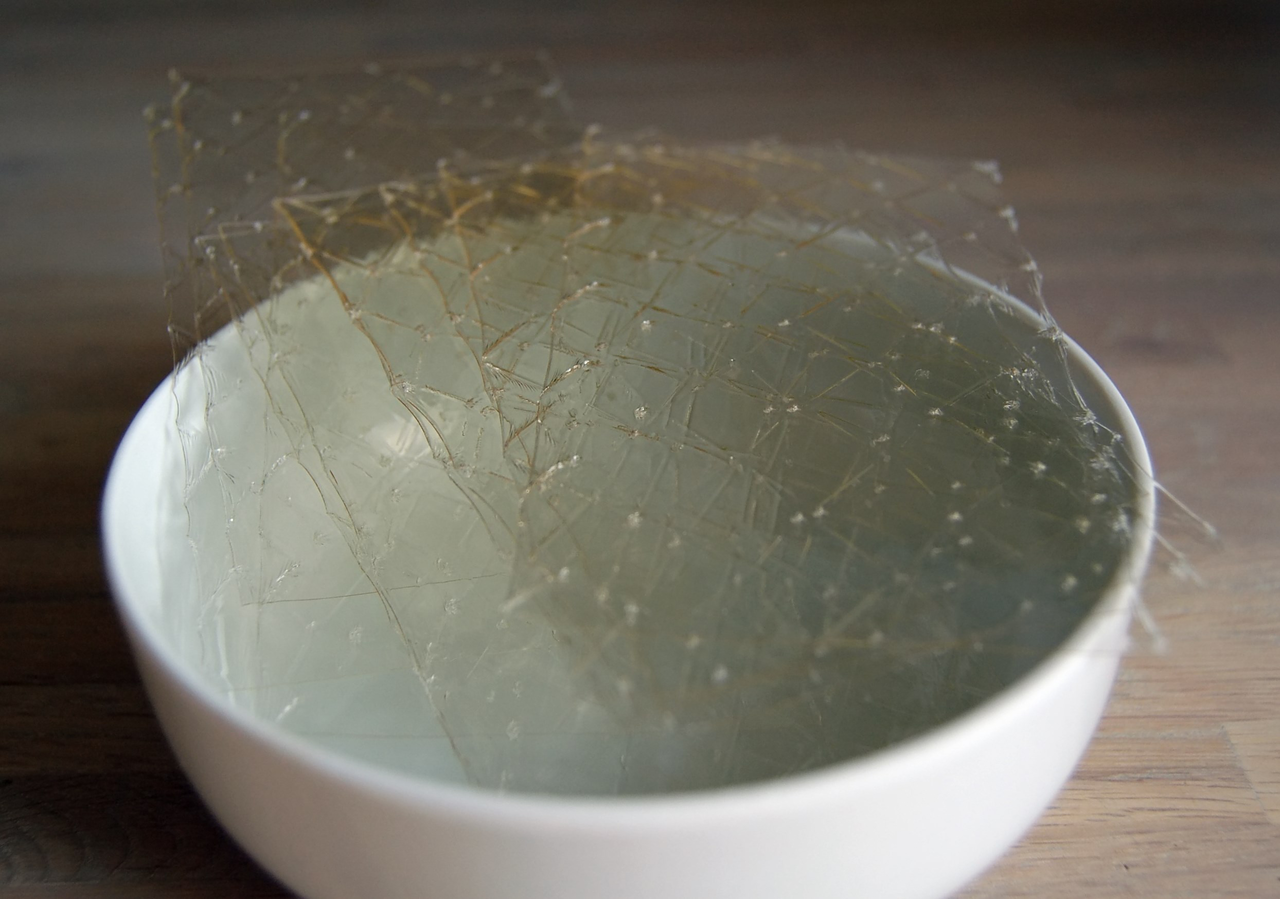


Composition and production
Collagen is abundant in tendons, ligaments, skin and bones of mammals and some fish. Commercial gelatin is produced by treating these wastes with controlled acid or alkali steps followed by long extraction in hot water, filtration and drying. Typical raw inputs include connective tissues, bones and skins from animals such as cattle and pigs. The final product is characterized by its protein content and gel strength, often described using industry measures such as Bloom strength.
Physical and chemical properties
Gelatin consists of chains of amino acids derived from collagen. Its ability to form a network when cooled gives gels a soft, elastic texture that traps water and other ingredients. It is water‑soluble but insoluble in many organic solvents and does not dissolve in pure alcohol. The gels are reversible with temperature and have a melting point near human body temperature, which is why gelatin desserts feel smooth when eaten.
Common uses
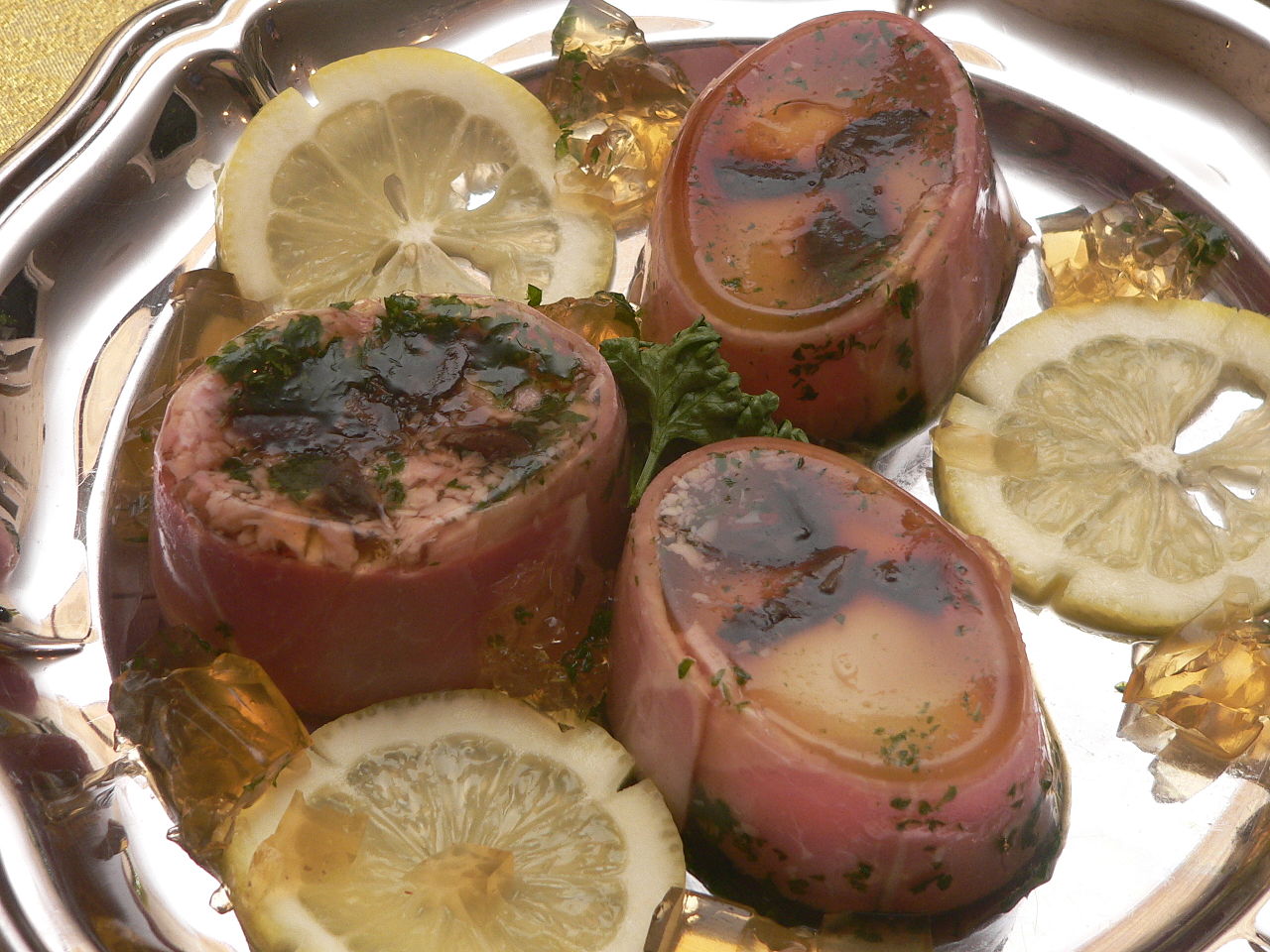
- Food: thickening and gelling agent in jellies, marshmallows, gummy candies, desserts and as a stabilizer in dairy products.
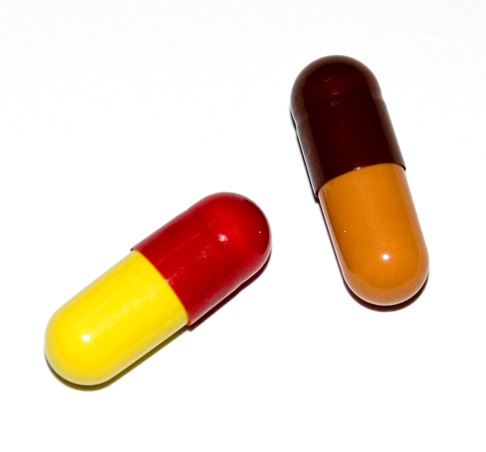
- Pharmaceuticals and nutraceuticals: capsule shells, excipients and as a component in some syrups and emulsions.
- Photography and technical applications: historical use in photographic emulsions and modern use in certain adhesives and coatings.
- Cosmetics and personal care: as a binder, film former or texture agent in makeup and skincare formulations.
Dietary, religious and ethical considerations
Because gelatin originates from animals, some consumers avoid it for ethical or dietary reasons. Vegetarians and vegans typically decline animal‑derived gelatin. Religious dietary laws may restrict gelatin depending on the source and processing: for example, those observing kosher or halal rules often look for certified alternatives or specially sourced gelatin. Labeling and certification help consumers identify acceptable products.
Alternatives and notable distinctions
Several plant‑ and algae‑based gelling agents serve as substitutes when animal gelatin is unsuitable. Common alternatives include agar (from red algae), carrageenan (from seaweeds), and pectin (from fruits). Each substitute has different setting behavior and textures — for instance, some set at higher temperatures or form firmer gels — so formulations are adjusted accordingly. In addition to food replacements, pharmaceutical manufacturers may use specially certified gelatin grades for capsules and biotechnical uses where consistency and purity are critical.
For more technical summaries, sourcing guidelines and regulatory information, see specialized resources and labeling references: protein sources, collagen processing, and alternative gelling agents.
Related articles
Author
AlegsaOnline.com Gelatin: composition, production, properties, uses and alternatives Leandro Alegsa
URL: https://en.alegsaonline.com/art/37858