
Gingerbread: history, varieties, ingredients and cultural uses
Gingerbread denotes a family of spiced baked goods—from moist cakes to crisp biscuits—made with ginger and sweeteners such as honey, molasses or treacle, with strong seasonal and cultural ties.
Gingerbread is a broad term for baked goods flavored primarily with ginger and sweetened with ingredients such as honey, molasses or treacle. Recipes range from moist loaf cakes and soft puddings to thin, crunchy biscuits and molded cookies. Although textures, shapes and local names vary, common elements include ground ginger, warm spices, and a sweetening syrup or sugar that contributes to texture, color and shelf life.
Image gallery
10 Images





Typical ingredients and characteristics
Most recipes combine ground ginger with spices such as cinnamon, cloves and nutmeg. Sweeteners may include honey, dark syrups often called treacle in British usage, or plain sugar. Fat sources include butter, margarine or vegetable oil; eggs and leavening agents such as baking soda or baking powder give structure. The balance of syrup, fat and flour determines whether a product is cake-like, chewy, or crisp. Dark syrups (molasses/treacle) produce a deep color and robust, slightly bitter-sweet flavor, while honey lends floral notes.
Common types and regional names
- Gingerbread cake: a moist loaf or sheet cake popular in Britain and North America, often served sliced with tea or custard.
- Gingersnaps/ginger biscuits: thin, crisp cookies that crackle when baked and are common as packaged snacks and homemade cookies.
- Lebkuchen: a German specialty that ranges from soft and cake-like to firmer and glazed; Nuremberg is especially associated with this variety.
- Pepparkakor (Scandinavia): thin, crisp spiced biscuits traditionally made at Christmas, sometimes flavored with cardamom or pepper.
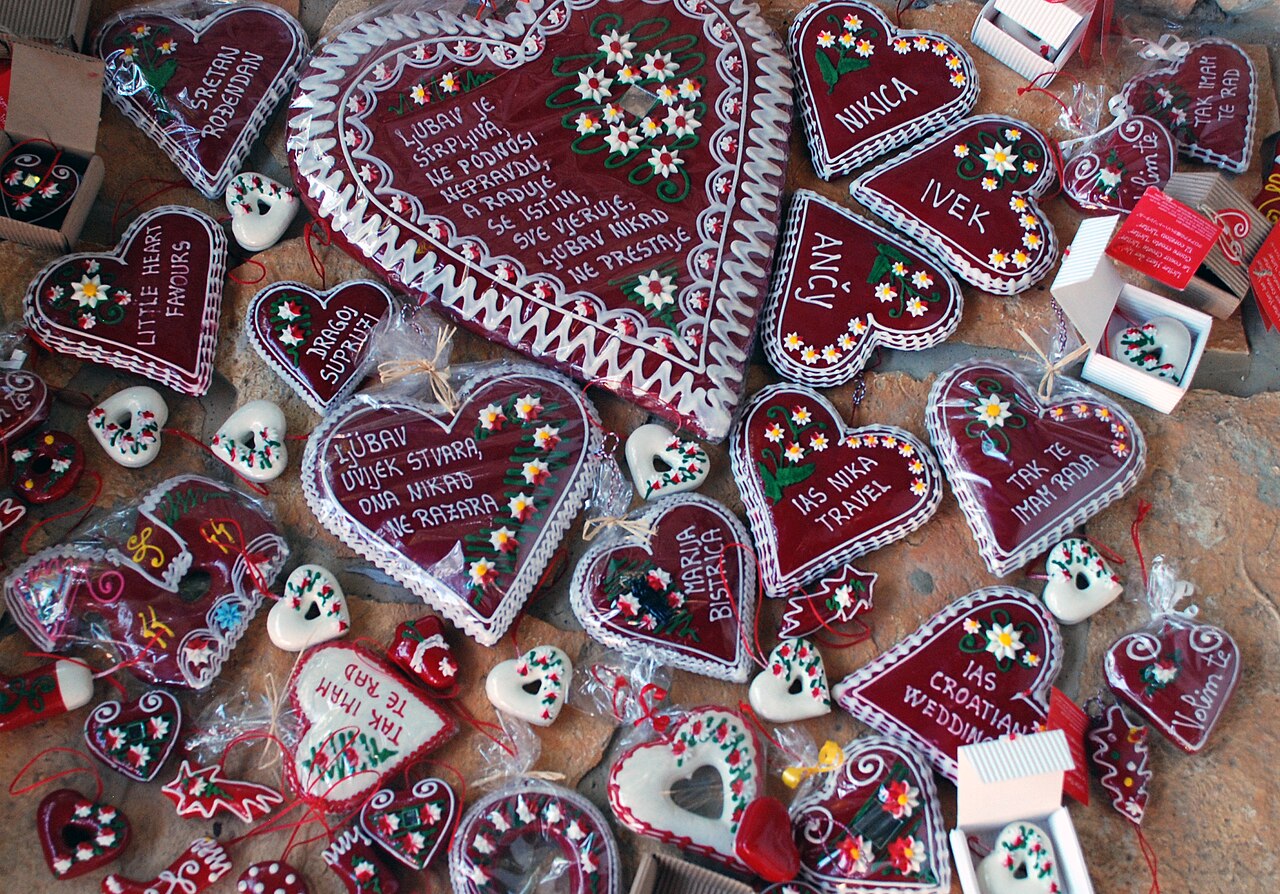
- Decorative gingerbread: cut-out shapes, figures and houses iced and embellished for festivals and family activities.
History and development
Ginger and other spices were used in cooking and preservation for centuries; spiced breads and cakes made with honey or syrup appear in medieval European records. Over time, local tastes, available sweeteners and baking techniques produced distinct regional forms. By the early modern period, gingerbread was sold by street bakers and confectioners and became associated with fairs and seasonal markets. Printed recipes and popular customs helped spread shaped and decorated gingerbread, and stories and traditions reinforced its place in holiday rituals.
Uses, traditions and cultural importance
Gingerbread is strongly associated with winter festivals and family traditions in many countries. Making and decorating gingerbread houses is a common shared activity, and gingerbread men—human-shaped cookies decorated with icing—are a recognizable novelty. Beyond holidays, gingerbread appears at markets, as packaged snacks, and as part of local dessert traditions; certain towns or regions may be known for particular styles or recipes.
Practical notes and contemporary variations
Texture and flavor depend on spice blend, sweetener and technique: more liquid sweetener and fat produce softer cakes, while thin dough and high sugar favor crisp biscuits. Historically spices helped preserve baked goods; modern recipes vary from diet-adapted versions—gluten-free, reduced-sugar, or vegan—to artisanal takes using whole spices and specialty syrups. For storage, keep crisp biscuits in an airtight container to maintain snap; softer cakes keep longer when wrapped and refrigerated or frozen.
For recipe variations, historical context and regional collections consult culinary archives and reliable cookery resources. Commercial and home bakers continue to adapt gingerbread to local tastes and dietary needs, preserving its role as both everyday treat and seasonal confection.
Related articles
Author
AlegsaOnline.com Gingerbread: history, varieties, ingredients and cultural uses Leandro Alegsa
URL: https://en.alegsaonline.com/art/38892
Sources
- ville-pithiviers.fr : Le Pithiviers
- monastere-saintgregoire.net : Monastère orthodoxe des Saints Grégoire Armeanul et Martin le Seul
- logis-de-france-loiret.com : La Confrérie du Pain d'Epices
- annas.se : "Annas' history of Gingerbread (Swedish)"