
Vegetarianism: practices, types, reasons, and nutritional considerations
Vegetarianism is the practice of avoiding meat and sometimes other animal products. This article explains definitions, common variants, motivations, nutritional issues, history, and practical examples.
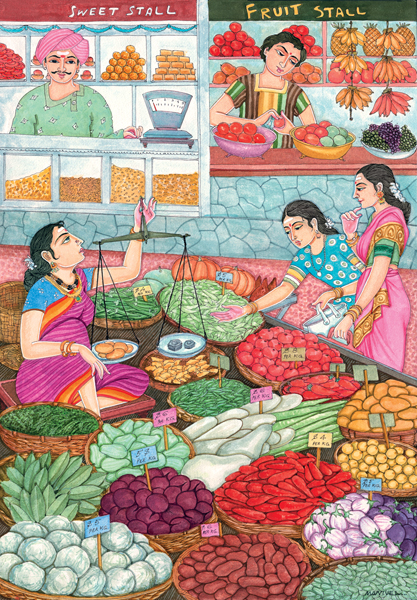
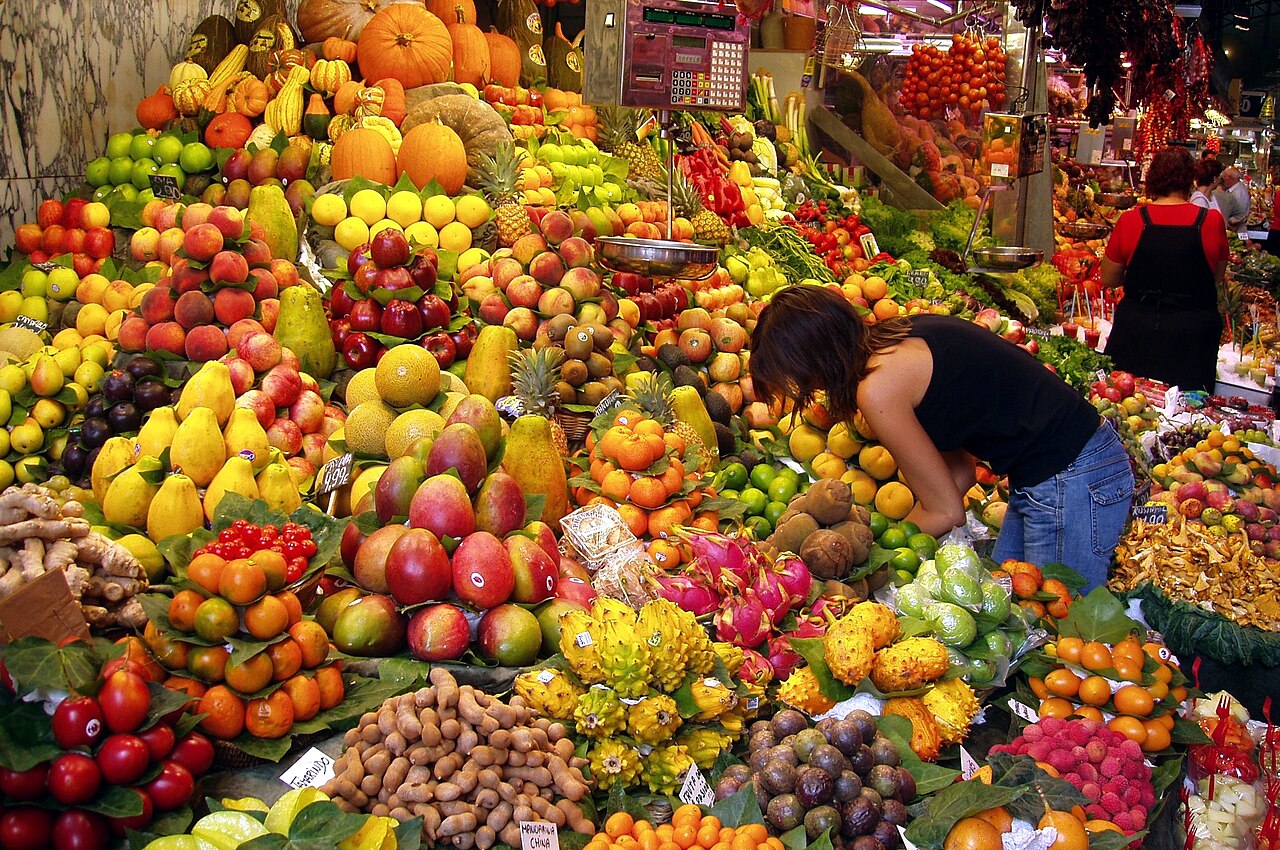
Vegetarianism refers to dietary patterns that exclude the flesh of animals. People who follow these patterns avoid meat and often also avoid fish, while building meals from plant-based staples such as vegetables, fruit, nuts, beans and grains. Many vegetarian diets include processed or prepared foods that serve as alternatives to animal proteins; common examples are tofu and dishes like falafel. The label "vegetarian" covers a range of eating patterns rather than a single, universally agreed list of allowed foods.
Image gallery
10 Images



Common variants and labels
- Lacto-ovo vegetarian: excludes meat and fish but includes dairy such as milk and eggs.
- Vegan: avoids all animal-derived foods and, for many adherents, animal-derived products; see distinctions with items like leather. Vegans also tend to extend avoidance beyond the plate.
- Pescetarian: excludes terrestrial animals but includes fish and seafood; some people use the term pescetarian rather than vegetarian for clarity.
- Flexitarian / semi-vegetarian: mostly plant-based but allows occasional meat or fish; sometimes called semi-vegetarians or flexitarians.
- Pollotarian: eats poultry but not red meat; associated term pollotarian.
- Freeganism: a philosophy and practice that minimizes participation in conventional food systems by, for example, consuming food that would otherwise go to waste; associated references include freegan philosophy and descriptions of freegan practices.
Labels are practical but sometimes contested; individuals may combine features or invent personal terms to describe their own choices. For example, someone may identify as vegetarian for ethical reasons but still consume honey or shellfish, depending on personal beliefs.
Motivations and social context
People adopt vegetarian diets for a variety of overlapping reasons. Ethical concerns about the killing and treatment of animals are a common motivation. Health considerations are also influential; many report perceived or measured benefits such as lower rates of certain chronic diseases, weight management, or improved blood markers, though outcomes depend on overall dietary quality and lifestyle (health sources discuss these associations). Environmental arguments focus on the resource intensity of animal agriculture and the potential to reduce greenhouse gas emissions, land use, and water consumption by eating more plants (environment issues). Religious traditions and cultural practices have long shaped vegetarian customs in some communities and are still important for many adherents (religion).
Nutritional considerations and practical planning
Well-planned vegetarian diets can meet most nutritional needs, but some nutrients require attention. Protein needs can be met through legumes, nuts, seeds, soy products, and whole grains. Vitamin B12 is not reliably available from unfortified plant foods, so many vegetarians use fortified foods or supplements. Iron, zinc, calcium and omega-3 fatty acids are other nutrients to monitor; a varied diet, use of fortified products and, when appropriate, supplements help prevent deficiencies. Dairy and eggs (for lacto-ovo vegetarians) provide convenient sources of several micronutrients, while vegans rely more on fortified plant milks, nutritional yeast, and supplements.
History, culture and examples
Vegetarian ideas have ancient roots in multiple regions, including South Asia, parts of the Mediterranean and among philosophical movements that advocated nonviolence or asceticism. In modern times, vegetarianism has grown for ethical, health and environmental reasons and has influenced food industry offerings such as plant-based meats, dairy alternatives and mainstream vegetarian dishes. Global cuisines offer many traditional vegetarian dishes beyond the more recent innovations; examples include legume-based stews, grain and vegetable combinations, and fermented soy products adapted to local tastes.
Distinctions and notable facts
Not everyone who reduces meat intake identifies as a vegetarian; terms like "flexitarian" recognize degrees of restriction. Some people adopt temporary vegetarianism for fasting, health trials, or environmental campaigns. Public health guidance often emphasizes dietary quality—whole grains, legumes, vegetables and minimal highly processed foods—over labels alone. Whether for personal ethics, culture, health or sustainability, vegetarianism encompasses a spectrum of diets and practices rather than a single prescription, and individuals balance values, nutrition and convenience in different ways.
Questions and answers
Q: What is vegetarianism?
A: Vegetarianism is the practice of not eating meat or fish. People who follow this diet are called vegetarians and typically eat foods like vegetables, fruit, nuts, beans and grains.
Q: Who are lacto-ovo vegetarians?
A: Lacto-ovo vegetarians are people who follow a vegetarian diet but also consume animal products such as milk and eggs.
Q: Why do some people become vegetarians?
A: Some people may become vegetarians because they believe it is wrong to kill animals, while others think that eating meat is bad for their health or the world. Additionally, some may have religious reasons for following a vegetarian lifestyle.
Q: What is veganism?
A: Vegans are vegetarians who do not consume any animal products such as milk or eggs. They also often avoid using other animal products such as leather.
Q: Who are pescetarians?
A: Pescetarians are people who call themselves vegetarians but still eat fish or sea food. This means they technically aren't considered true vegetarians since fish and sea creatures are animals too.
Q: What does "flexitarian" mean?
A: Flexitarians (or semi-vegetarian) refer to those who don't completely abstain from eating meat but only consume very small amounts of it on occasion.
Q: What is freeganism? A: Freeganism is a philosophy which suggests that one should only eat animal products if otherwise they would be thrown away to waste - such as food thrown away by restaurants
Related articles
Author
AlegsaOnline.com Vegetarianism: practices, types, reasons, and nutritional considerations Leandro Alegsa
URL: https://en.alegsaonline.com/art/104459
Sources
- ivu.org : 'Hinduism and Vegetarianism' by Paul Turner, Mar. 2000.
- himalayanacademy.com : himalayanacademy.com
- bhagavadgitaasitis.com : Bhagavad Gita Chapter 17, Texts 7-10