
Agar: polysaccharide gel from red algae used in microbiology, food, and industry
Agar is a gelatinous mixture of agarose and agaropectin extracted from red algae. It forms thermoreversible gels used for microbial culture media, molecular biology, vegetarian gelatin, food thickeners, and industry.
Overview
Agar is a firm, gelatin-like substance obtained by extracting polysaccharides from certain red algae. It is a complex mixture of agarose and agaropectin that forms thermoreversible gels: the material melts at a relatively high temperature and sets again on cooling. The name derives from the Malay word agar-agar, traditionally applied to the seaweeds that yield the substance.
Image gallery
9 Images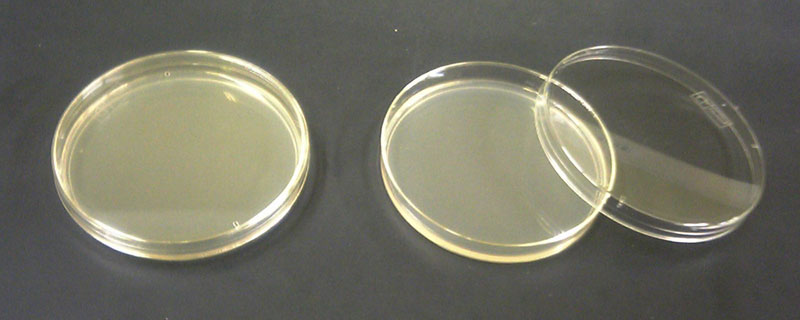


Composition and properties
Agarose is a linear neutral polymer responsible for gel strength and clarity, while agaropectin is a heterogeneous, charged fraction that affects viscosity and gel texture. The gels are stable at common incubation temperatures used in microbiology because few bacteria can digest agar, unlike animal gelatin. Different grades are produced: purified agarose for electrophoresis and technical agar for culture media.
Preparation and handling
To use agar, powdered or flaked agar is typically dissolved by boiling in the chosen solvent, poured into vessels or plates, and allowed to cool to form a gel. Laboratory protocols give guidance on concentrations and sterilization; suppliers publish product specifications and handling notes for different grades (supplier notes). In cooking, recipes note that some liquids require adjustments for acidity or sugar content to set correctly.
Main uses
- Microbiology: Agar is the standard solidifying agent for culture media. Pouring sterile agar into agar plates creates surfaces used to isolate and enumerate bacteria and fungi for research and clinical diagnosis in hospital pathology laboratories.
- Molecular biology: Agarose gels are widely used for gel electrophoresis to separate DNA and RNA fragments by size.
- Food and culinary: Marketed as agar-agar, it serves as a vegetarian alternative to gelatin, thickening jellies, puddings and confections and providing texture in many East and Southeast Asian desserts.
- Health and supplements: Because agar is largely indigestible, it appears in some fiber preparations and traditional laxative products (fiber aids), though claims about medical effects should be checked against clinical guidance.
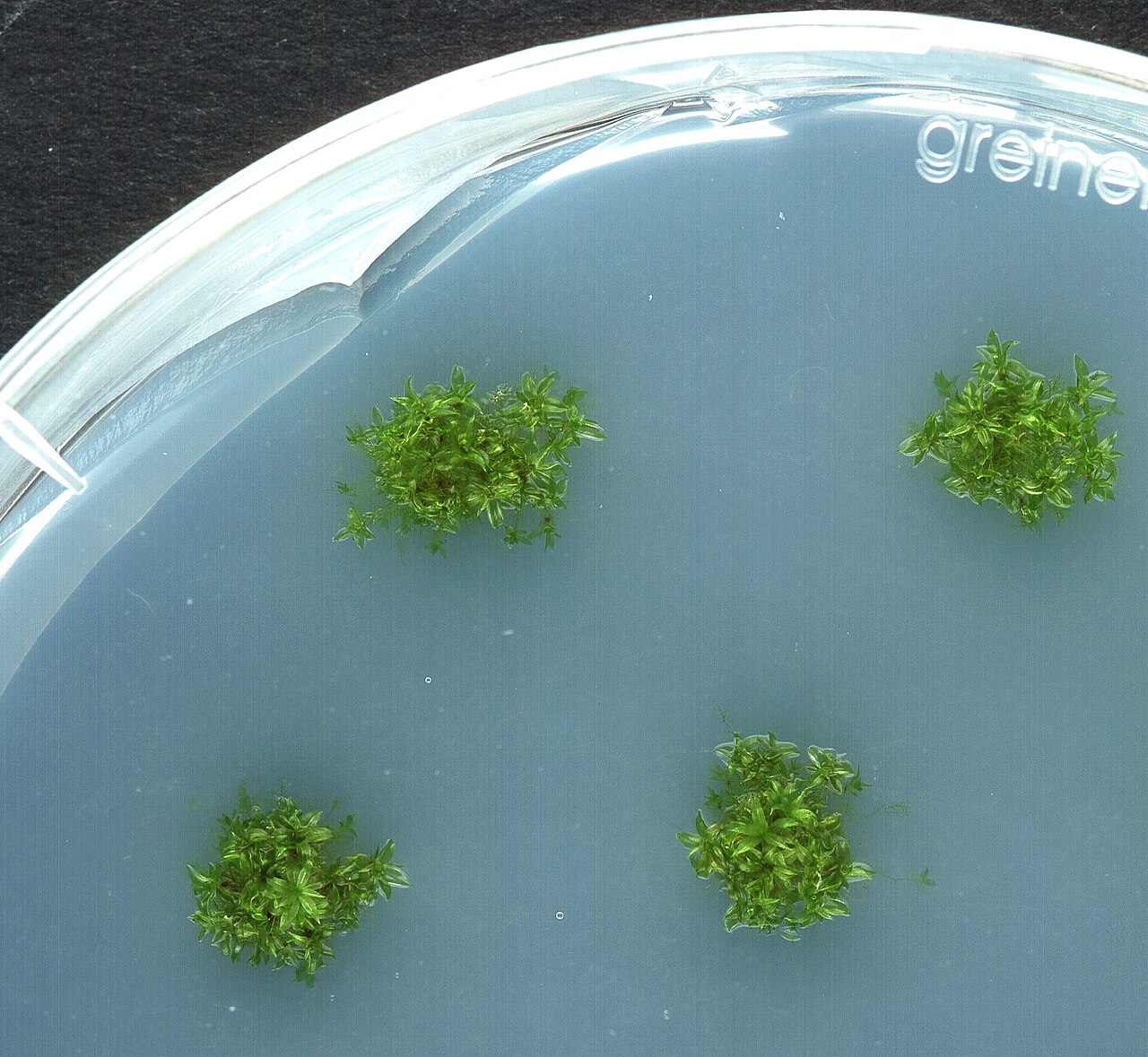
- Industry and research: Agar is used in plant tissue culture, certain brewing clarifications, cosmetics, and as a stabilizer in laboratory applications (brewing and technical uses).
Sources, production and ecology
Commercial agar is extracted from several species of red algae; quality varies with source species and processing methods. Wild harvesting and aquaculture both supply the raw seaweeds, and processing typically involves washing, extraction in hot water, filtration and drying. For information about red algae species and sustainable sourcing see botanical and marine guides (red algae sources).
Safety, alternatives and context
In laboratory use, standard biosafety and sterilization practices apply when preparing and pouring agar media; consult institutional microbiology guides (microbiology manuals) for protocols. Alternatives to agar include some synthetic polymers and gelling agents, but agar remains preferred in many contexts for its thermal behavior and resistance to microbial degradation. Introductory procedural summaries and practical advice are commonly available in textbooks and from manufacturers (technical notes).
Further reading
Short historical accounts describe how agar transitioned from regional culinary use to a foundational laboratory material in the late 19th and early 20th centuries; modern references cover its chemistry, applications and commercial production. For culinary techniques and recipes consult specialized cookbooks and for clinical applications seek authoritative laboratory and medical sources (bacteriology references).
Related articles
Author
AlegsaOnline.com Agar: polysaccharide gel from red algae used in microbiology, food, and industry Leandro Alegsa
URL: https://en.alegsaonline.com/art/1334