
Pectin: plant polysaccharide, gelling agent and dietary fiber
Pectin is a plant-derived soluble fiber and polysaccharide used as a gelling agent, thickener and stabilizer in foods and industry; commonly extracted from citrus peels and apple pomace.
Overview
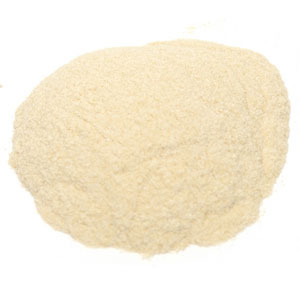
Pectin is a group of complex polysaccharides naturally present in the cell walls of many fruits and vegetables. In food contexts it is valued as a gelling agent and source of soluble dietary fiber. Commercial pectin is most often a pale, odourless powder sold to home cooks and food manufacturers for thickening preserves, stabilizing dairy products and improving texture.
Image gallery
4 Images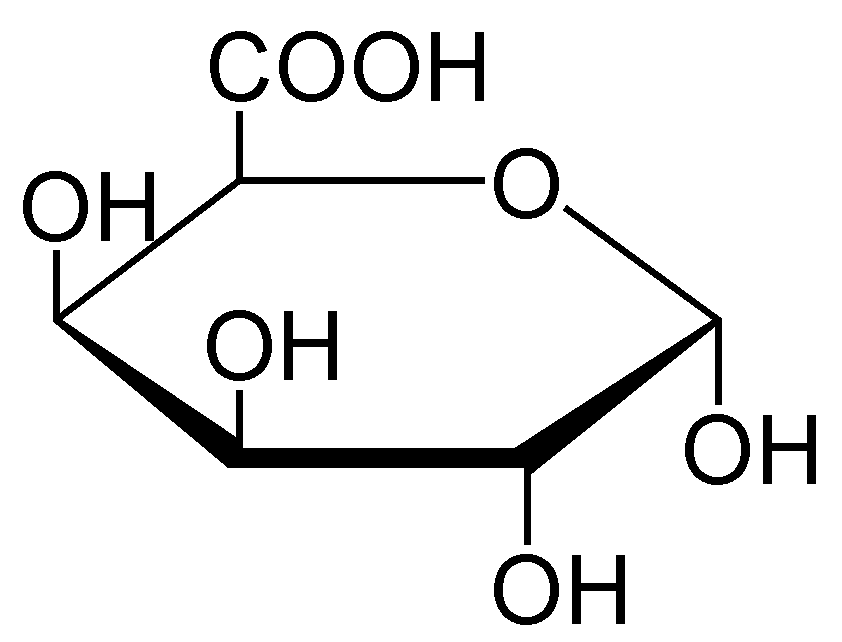

Chemical characteristics and sources
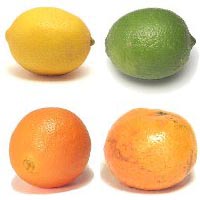
Structurally, pectin is rich in galacturonic acid residues and may be methyl-esterified to varying degrees. The degree of methylation affects how a pectin sample sets: high-methoxyl types form gels with sugar and acid, while low-methoxyl types gel in the presence of calcium ions. Major raw-material sources include citrus peels and apple pomace, by-products of juice production that are processed to extract the pectin fraction.
Forms and manufacturing
Commercial pectin comes in several forms: powdered preparations for home use, liquid concentrates for industrial kitchens, and chemically modified variants such as amidated pectins that set under different conditions. Extraction typically involves hot water and acid, followed by alcohol precipitation and drying. The resulting product may be standardized for gel strength and degree of esterification.
Uses and examples
In culinary practice pectin is used to make jellies and jams, marmalades, fruit fillings and some confectionery. It is also used as a stabilizer in yogurts and cream-based desserts, and to create desirable mouthfeel in beverages and sauces. In industry pectin finds applications in pharmaceuticals and cosmetics as a binder, and in biodegradable films and certain technical formulations.
Health and notable distinctions
As a soluble fiber, pectin can influence the viscosity of intestinal contents and is associated with the physiological effects typical of soluble fibers, such as modulation of digestion and stool consistency. Claims about cholesterol reduction, weight loss or other therapeutic effects are context-dependent and should be evaluated with clinical evidence. Allergic reactions to pectin are uncommon.
History and practical notes
Pectin has long been used in traditional fruit preserves; modern commercial extraction and standardized grades developed as industrial food processing expanded. Practical differences—such as using high-methoxyl pectin for high-sugar, acidic recipes versus low-methoxyl pectin with calcium for low-sugar products—are important for predictable results in recipes and manufacturing.
- Common culinary uses: jams, jellies, marmalades, fruit curds, stabilizing dairy.
- Industrial roles: gelling, thickening, stabilizing, pharmaceutical excipient.
- Types to know: high-methoxyl (HM) and low-methoxyl (LM), plus amidated variants.
Related articles
Author
AlegsaOnline.com Pectin: plant polysaccharide, gelling agent and dietary fiber Leandro Alegsa
URL: https://en.alegsaonline.com/art/75393