
Gingerbread Man: History, Preparation, and Cultural Significance
Gingerbread men are human-shaped cookies made from spiced gingerbread dough. This article summarizes ingredients, preparation, history, seasonal traditions, common decorations, and modern variations and tips.
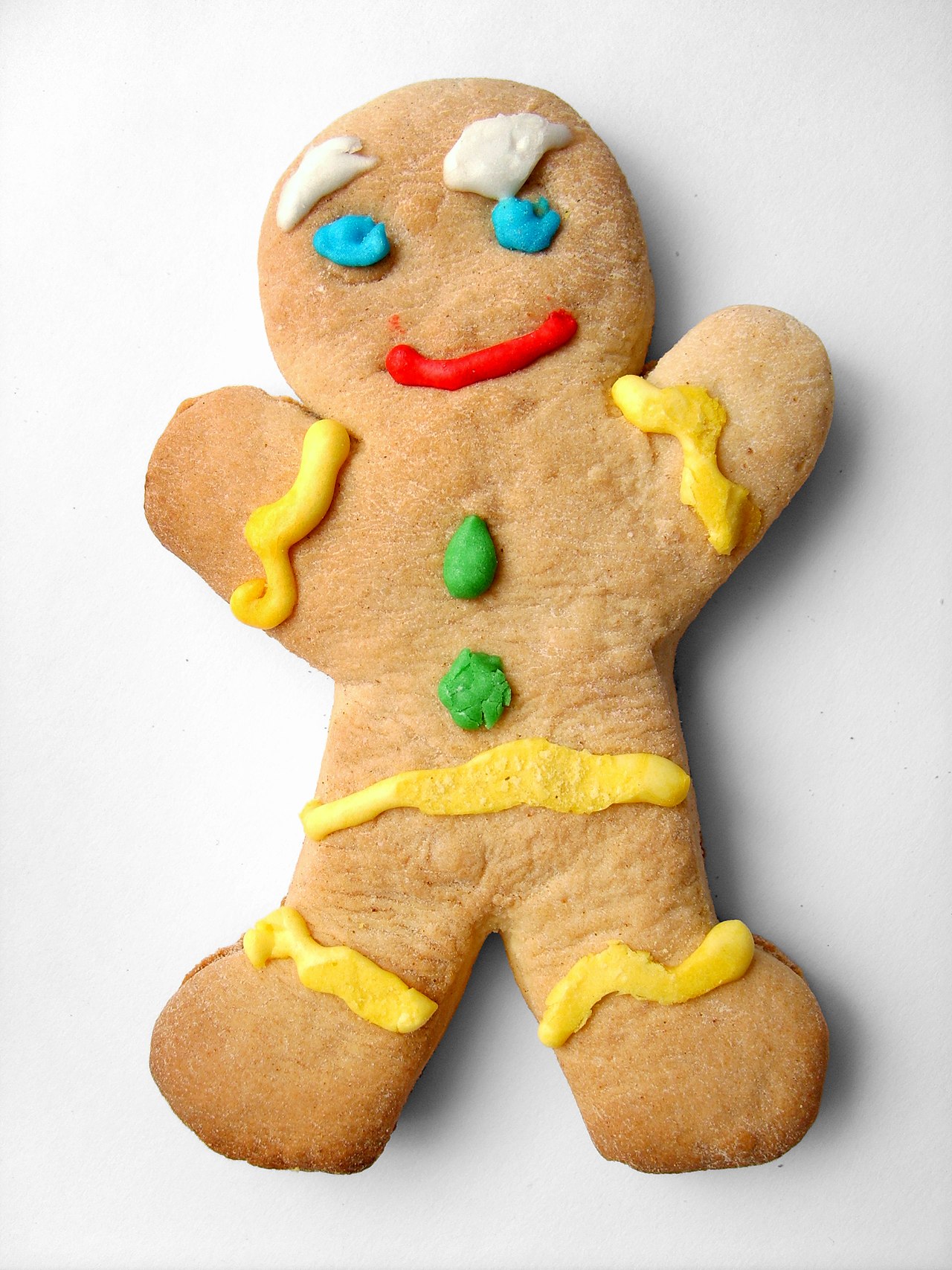
The gingerbread man is a small, human-shaped cookie traditionally cut from spiced gingerbread dough. Recognized by its distinctive silhouette and decorated features, the gingerbread man is both a baked good and a cultural symbol associated with festive baking in many parts of the world. Although most commonly linked with winter holidays, particularly Christmas in North America and parts of Europe, gingerbread figures appear in seasonal fairs, public displays, and children’s activities year-round.
Image gallery
5 Images



Ingredients and basic preparation
At its core the gingerbread man relies on a spiced dough similar to other types of cookie or biscuit. Typical aromatic ingredients include ground ginger, cinnamon and cloves, combined with flour and a source of sweet, deep flavor such as molasses or brown sugar. The broader category of gingerbread describes a range of spiced breads and biscuits, of which the gingerbread man is a popular shaped form.
Basic preparation steps are straightforward:
- Create a firm dough by creaming fats and sugars, adding eggs (or substitutes), and mixing in dry ingredients and spices.
- Chill the dough to make it easier to roll and to reduce spreading during baking.
- Roll the dough on a lightly floured surface and cut shapes using a human-shaped cookie cutter.
- Bake until set and cool thoroughly before decorating with icing, candies, or dried fruit such as raisins.
Decoration and common variations
Decorating a gingerbread man is part of its appeal. Traditional trims include piped icing to mark clothing and facial features, along with small candies, nuts or dried fruit. Raisins, currants, chocolate chips and sugar decorations are widely used. Modern bakers experiment with colored icings, edible paints, chocolate coatings and themed costumes. Shapes range from tiny bite-sized cookies to large figures used as table centerpieces.
- Texture: recipes vary from crisp, biscotti-like versions to soft, cake-like cookies.
- Dietary adaptations: vegan, gluten-free and low-sugar variants are common in contemporary baking.
- Uses: edible gifts, tree ornaments (when pierced and tied), and decorative displays at markets and fairs.
History and cultural context
Gingerbread has a long history in Europe as a spiced preserved sweet. Shaping spiced dough into figures and other forms became popular in the early modern period and later evolved into the familiar gingerbread man. The motif entered popular culture through children's tales about a quick-footed cookie that runs away from its maker; such stories, known in various oral and printed forms since the 19th century, helped cement the cookie's place in folklore and seasonal storytelling.
Over time the gingerbread man moved beyond the kitchen to become a cultural icon of festive craft and family tradition. In many households decorating sessions are annual events that pass techniques and designs between generations, while bakeries and markets create elaborate public displays and seasonal products inspired by the figure.
Baking tips, storage and safety
For best results, chill dough before cutting to reduce spreading and maintain crisp outlines. Use room-temperature ingredients when creaming fats for a uniform dough. When decorating, let a base layer of icing set before adding details to avoid smudging. Store finished cookies in an airtight container at room temperature for several days; for longer storage, freeze baked cookies or wrap portions of dough for later baking.
Be mindful of common allergens such as wheat, eggs, dairy, and nuts; many home and commercial recipes offer substitutions to accommodate dietary needs. For further reading on related techniques and categories, see general references on cookies and on gingerbread.
Questions and answers
Q: What are gingerbread men?
A: Gingerbread men are cookies made of gingerbread that are shaped like people.
Q: When are gingerbread men most popular in America?
A: Gingerbread men are most popular at Christmastime in America.
Q: What ingredients are used in making gingerbread men?
A: Gingerbread men are made with ingredients such as ginger, molasses, spices, flour, butter, and eggs.
Q: How is the dough for gingerbread men made?
A: The dough for gingerbread men is rolled out on a flat surface and then a cookie cutter is used to shape it into the gingerbread man.
Q: How can gingerbread men be decorated?
A: Gingerbread men can be decorated with various trims such as raisins and silver dragees, and also with different decorations such as chocolate chips, jelly beans, and chocolate sauce.
Q: Can gingerbread men be made in different sizes?
A: Yes, gingerbread men can be made in different sizes.
Q: Are gingerbread men only made at Christmas time?
A: While gingerbread men are most popular at Christmastime in America, they can be made at any time of the year.
Related articles
Author
AlegsaOnline.com Gingerbread Man: History, Preparation, and Cultural Significance Leandro Alegsa
URL: https://en.alegsaonline.com/art/38891