
Veganism: philosophy, diet, history, and practical considerations
Veganism excludes animal-derived foods and products for ethical, environmental, or health reasons. This article explains what vegans avoid, common foods and substitutes, history, nutrition points, and social aspects.
Veganism is a broad philosophy and lifestyle that seeks to avoid the use of animals for food, clothing, or other purposes. People who adopt veganism may do so for several motives, including reducing animal suffering, addressing environmental concerns, or pursuing perceived health benefits. Some adherents focus primarily on diet, while others extend the practice to all consumer choices and activism.
Image gallery
10 Images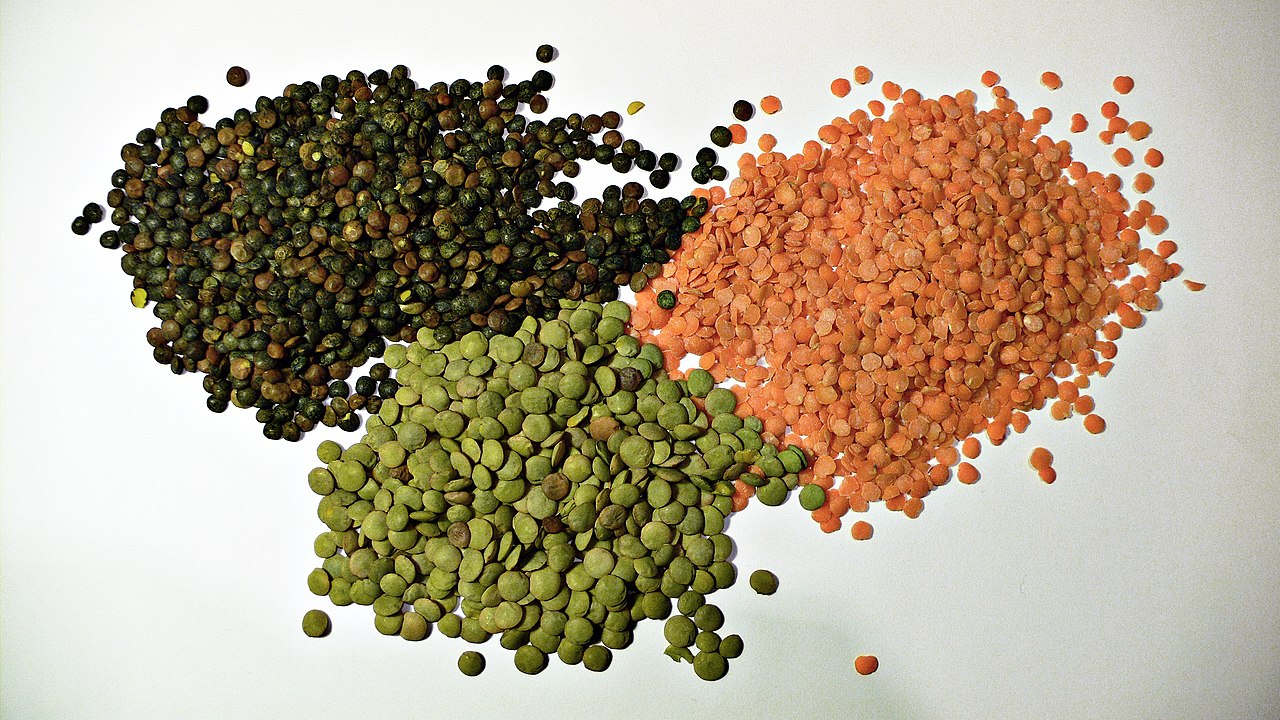



Definition and common practices
At its core, dietary veganism excludes meat (meat), eggs, and dairy such as milk, cheese and yogurt. Many vegans also avoid honey. Beyond food, ethical vegans try not to buy or wear materials that come from animals — for example leather, wool, feathers, bone, or pearl — and may avoid animal-derived accessories like certain shoes. Concern about animal testing also leads many vegans to prefer products not tested on animals. Support for animal rights and welfare is a frequent motivation.
Foods, substitutions and examples
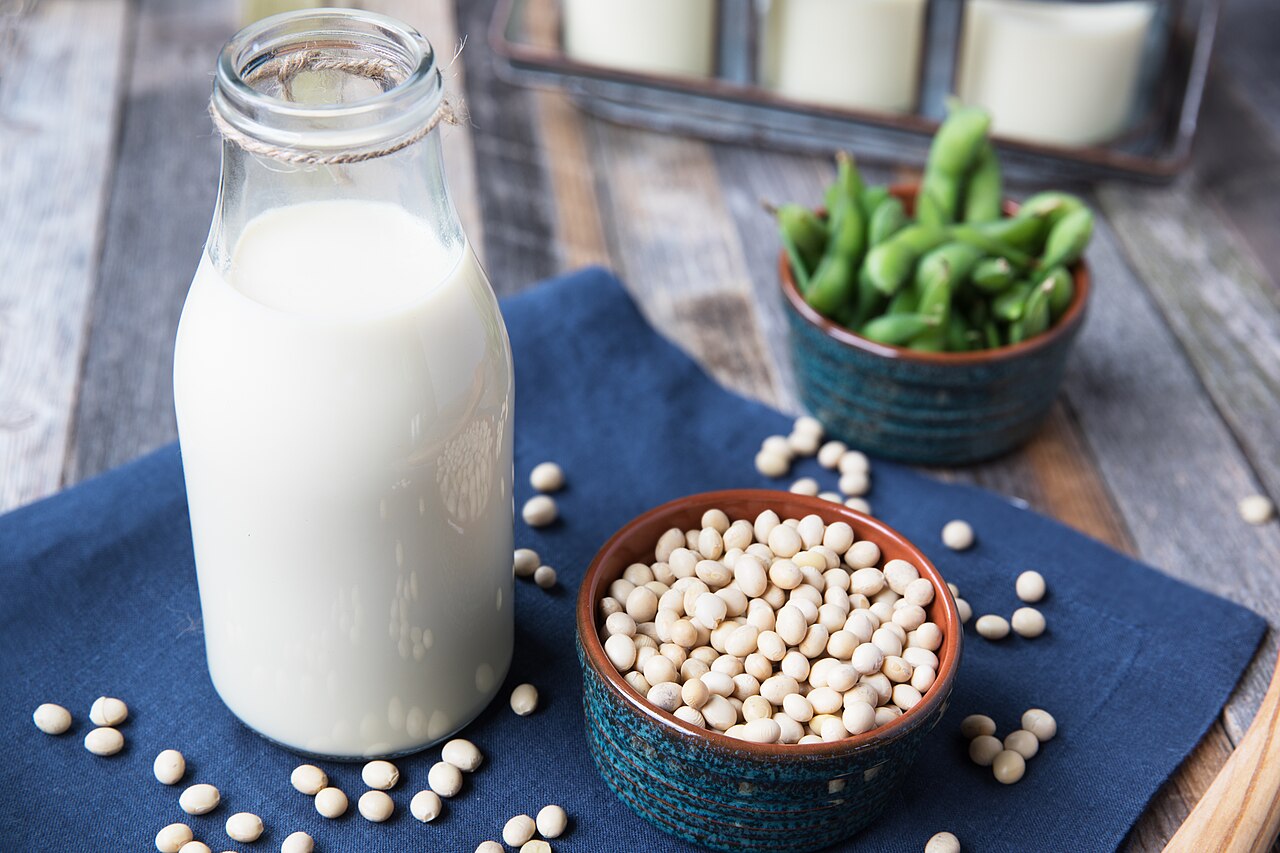
Typical vegan meals rely on vegetables, fruits, legumes, grains, nuts and seeds. Plant-based alternatives replicate familiar animal products: tofu, tempeh and seitan act as protein sources; fortified plant milks and yogurts replace dairy; and a growing market supplies vegan sweets, cheeses, and meat substitutes. Many cuisines naturally offer vegan dishes, and commercial innovation has increased the variety and availability of substitutes in supermarkets and restaurants.
Nutrition and practical considerations
- Key nutrients to plan for include vitamin B12, iron (and its absorption), omega-3 fatty acids, calcium and vitamin D. Many vegans use fortified foods or supplements for B12 and vitamin D.
- Protein needs can be met with a variety of plant sources; combining different legumes, grains, nuts and seeds helps ensure a range of amino acids.
- Processed vegan products can be high in salt, sugar or saturated fats, so whole-food choices are often recommended for health.
History and development
The word "vegan" and the organized vegan movement date from the mid-20th century: it was coined when Dorothy Morgan and Donald Watson founded the Vegan Society in 1944 to distinguish stricter practices from vegetarianism. Since then, veganism has broadened and diversified, with dietary vegans, ethical vegans, environmental vegans, and other variations emerging worldwide.
Variations, impact and debates
Variations of vegan practice include raw veganism, whole-food plant-based diets, and flexitarian approaches. Advocates point to reduced animal suffering and a generally lower environmental footprint compared with diets centered on animal products, while critics raise concerns about nutritional completeness, socioeconomic access, and cultural fit. Public interest in vegan options has grown, influencing food industries, fashion, and legislation related to labeling and animal welfare.
For readers considering veganism, reliable planning, attention to nutrient sources, and, if appropriate, consultation with a healthcare professional can help ensure a balanced approach. The movement continues to evolve as new products, research and social debates shape how people define and practice vegan living.
Learn about the philosophy • Why animals matter • Meat alternatives • Egg-free choices • Plant milks • Vegan cheeses • Non-dairy yogurts • Honey and pollination • Non-leather materials • Wool alternatives • Feather-free options • Bone-free crafts • Pearl substitutes • Vegan footwear • Cruelty-free products • Animal rights perspectives • Examples of vegan treats • Founders of the term • The first Vegan Society
Related articles
Author
AlegsaOnline.com Veganism: philosophy, diet, history, and practical considerations Leandro Alegsa
URL: https://en.alegsaonline.com/art/104453
Sources
- veganoutreach.org : "Vegan Outreach FAQ - What about honey and silk?"
- fao.org : "Livestock a major threat to environment"
- veganpeak.com : "7 Global Benefits Of Veganism | Nr. 7 Might Save Humankind"
- vegansociety.com : "What every vegan should know about vitamin B12"
- veganoutreach.org : "Staying a healthy Vegan"
- vegsoc.org : "Vitamin B12 Information Sheet"
- merck.com : "Vitamin B12 (cobalamin)"
- veganatheart.org : "Veganism Has Gone Mainstream"
- vegansociety.com : "Healthy choices on a vegan diet"
- vrg.org : "Vitamin B12 in the Vegan Diet"
- vrg.org : Vegetarian Resource Group
- pcrm.org : "Don't vegetarians have trouble getting enough Vitamin B12?"
- veganhealth.org : "Vegan health: B12 in tempeh, seaweeds, organic produce, and other plant foods"