
Meat: definition, types, composition, uses, and cultural aspects
Meat is the edible flesh of animals. This article explains types (beef, pork, poultry, fish, game, offal), composition, culinary uses, production and safety, plus cultural, legal and environmental considerations.
Overview
Meat is the edible animal flesh consumed as food. In common usage it most often means the skeletal muscle together with the fat that accompanies it, but the term also covers processed preparations and internal parts. Across cuisines and traditions, meat supplies concentrated protein, essential amino acids and micronutrients such as iron and vitamin B12.
Image gallery
10 Images


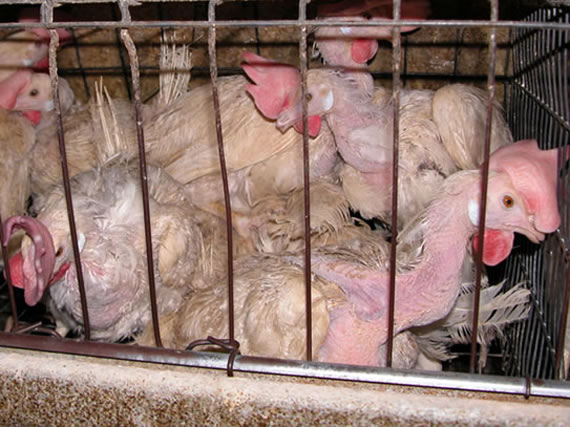


Types and common examples
Meat is categorized in several ways: by species, by cut, and by whether it is fresh, cured or processed. Common examples include red meats such as beef and veal from cattle, pork and products like ham and bacon from pigs, and mutton from sheep. Other categories include venison from deer, various fish, and poultry such as chickens, ducks and turkeys. Processed forms include sausages, and offal or organ meats—collectively referred to as organs—like liver, kidney and brain.
Composition and culinary roles
Meat consists mainly of water, protein, fat and connective tissues. Different muscles and cuts vary in tenderness and flavor depending on activity, age and fat distribution, which guides cooking methods: slow moist techniques for tough cuts, and dry heat for tender steaks and chops. Beyond direct consumption, meat is an ingredient in stocks, charcuterie, cured products and ready-to-eat items.
Production, regulation and definitions
The global meat processing industry involves slaughter, butchery, packaging and distribution. Legal and regulatory definitions differ: in some jurisdictions the word "meat" is restricted to mammalian flesh and excludes fish, insects and certain poultry, while other systems group all edible animal products together. Standards govern labeling, hygiene, humane slaughter and traceability to protect public health.
Health, safety and ethical considerations
Proper handling and cooking reduce the risk of foodborne illness from bacteria, parasites and viruses. Processed meats have been linked to health concerns when consumed in excess, and many consumers consider animal welfare and environmental impacts—land use, greenhouse gas emissions and water use—when choosing products. Debates about diet also note that many predators in nature, such as members of the cat family, are obligate carnivores, but human diets vary broadly across cultures and personal choices.
Practical distinctions and cultural importance
Different cultures place varied emphasis on particular meats, cuts and preparations; religious rules may forbid or restrict some kinds. Culinary classifications — for example, "red" versus "white" meat, or fresh versus cured — help cooks and consumers choose appropriate recipes and preservation methods. As both a staple food and a cultural symbol, meat has shaped agriculture, cuisine and social practices worldwide.
- Common cuts and uses: steaks, roasts, ground meat, ribs, offal and charcuterie.
- Preservation: refrigeration, curing, smoking and canning extend shelf life.
- Sustainability: production methods range from pasture-based systems to intensive feedlots, each with trade-offs.
Related articles
Author
AlegsaOnline.com Meat: definition, types, composition, uses, and cultural aspects Leandro Alegsa
URL: https://en.alegsaonline.com/art/63335