
Ginger ale: carbonated soft drink flavored with ginger root
Ginger ale is a nonalcoholic carbonated beverage flavored with ginger. This article explains its flavor, ingredients, varieties, history, common uses, and how it differs from ginger beer and alcoholic ales.
Overview
Ginger ale is a carbonated soft drink flavored primarily with extracts from the ginger root. It is nonalcoholic and sold as a bottled or canned refreshment around the world. Despite the word "ale" in its name, the product is not a beer and does not undergo the same fermentation processes associated with traditional ale. Many brands and regional recipes exist; one widely recognized commercial maker is Canada Dry.
Image gallery
7 Images


Characteristics and ingredients
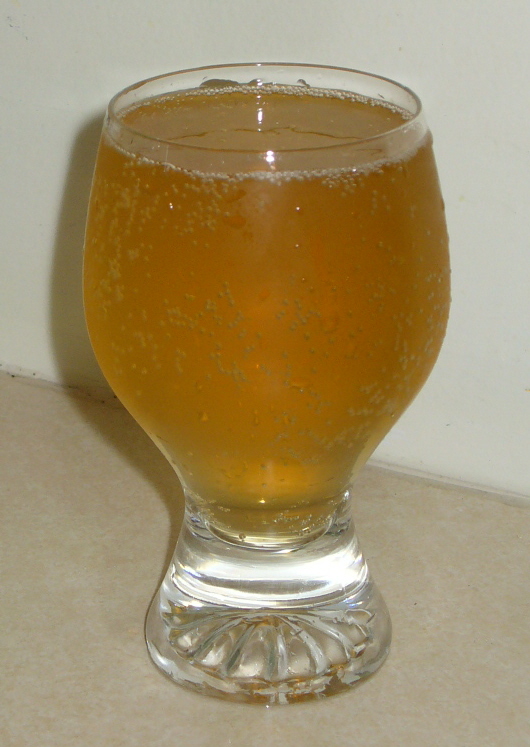
Ginger ale commonly combines carbonated water with sweeteners, natural or artificial ginger flavoring, and sometimes acids such as citric acid to balance the taste. The flavor profile balances sweetness with the warm, slightly spicy note of ginger; color ranges from pale gold to clearer or green-tinted packaging depending on the brand. Some producers add real ginger juice or oil for a more pronounced spice, while others rely on flavor compounds.
Varieties and distinctions
- Dry (or pale) ginger ale: lighter in color and milder in bite, often formulated for everyday drinking and as a cocktail mixer.
- Golden (old-fashioned) ginger ale: darker, stronger and closer in taste to traditional, more robust ginger preparations.
- Artisanal and craft versions: may use fresh ginger, less sweeteners, or alternative sweeteners for a distinct profile.
History and development
The beverage developed in the 19th century as a nonalcoholic option inspired by earlier fermented ginger beverages. Over time commercial carbonation and bottling techniques made ginger ale a mass-produced soft drink. Different regions and manufacturers refined the recipe, creating the two familiar styles—milder pale ginger ale and more strongly flavored golden types—and a global market for both mainstream and specialty products.
Uses and cultural role
Ginger ale is consumed on its own as a refreshing drink, used as a mixer in alcoholic and nonalcoholic cocktails, and commonly recommended at home for mild digestive discomfort or nausea because of ginger’s traditional soothing reputation. It is a staple in many households and bars, valued for its mild spice, effervescence, and versatility.
Notable facts and consumer choices
When choosing ginger ale, consumers may compare sweetness, use of natural ginger, carbonation level, and sodium content. While it is distinct from fermented ginger beer, both beverages share a spicy ginger character and are sometimes used interchangeably in recipes or mixers. Packaged appearance, such as green cans or clear bottles, varies by brand and region but does not determine the drink’s style or flavor intensity.
For further reading on soft drinks, ginger as an ingredient, brewing terminology, or leading brands, consult specialized food and beverage references or manufacturer information pages.
Related articles
Author
AlegsaOnline.com Ginger ale: carbonated soft drink flavored with ginger root Leandro Alegsa
URL: https://en.alegsaonline.com/art/38887