
Gardening: Cultivating Plants, Practices, and Benefits
An accessible overview of gardening: types, essentials, history, common techniques and why people garden — from ornamental beds to food production and urban green spaces.
Gardening is the practice of growing and managing plants — including flowers, shrubs and trees — for aesthetic, practical or ecological purposes. Many people garden as a hobby or a form of recreation, while others focus on producing vegetables and fruit for household consumption. Gardens range from small container arrangements to large designed landscapes and may be maintained in soil beds, raised planters or pots.
Image gallery
10 Images


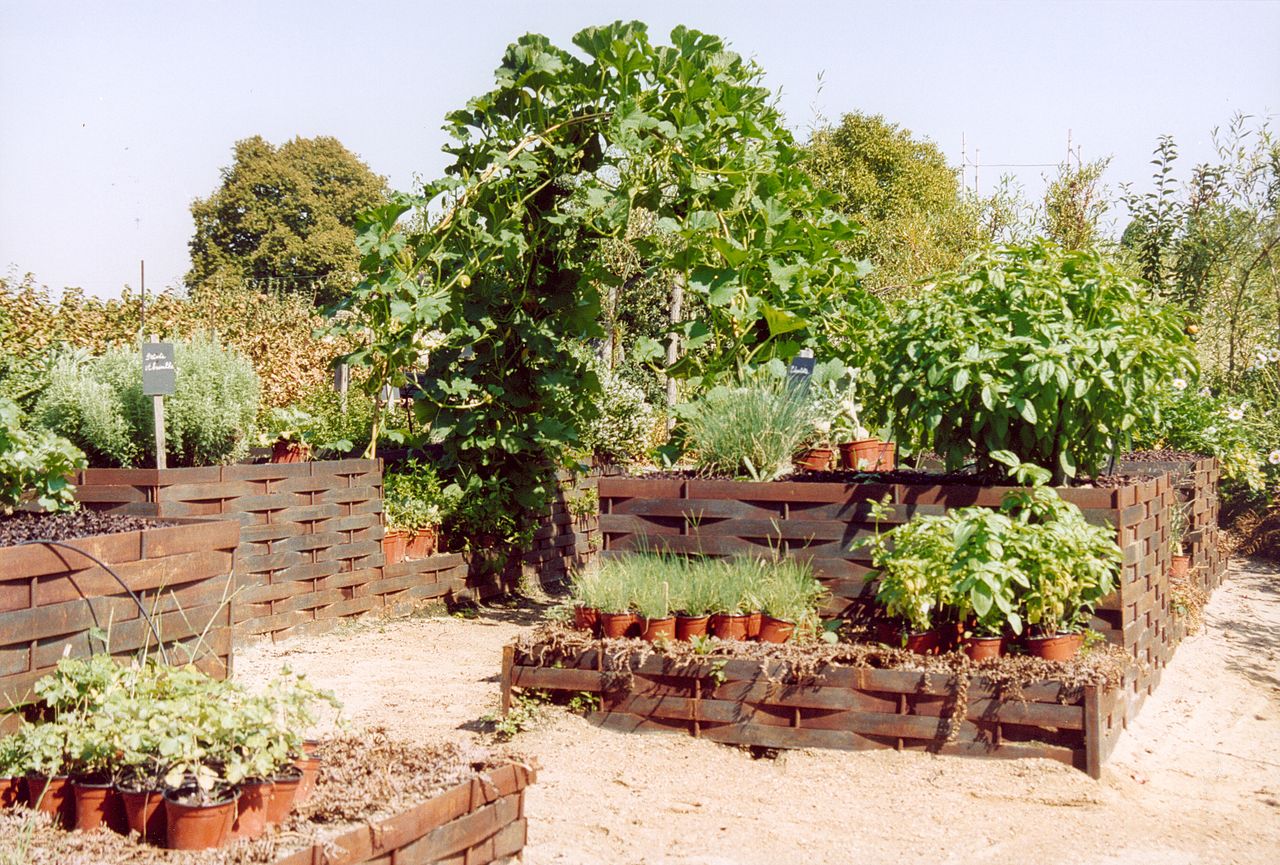


Where and how gardening is done
Gardening takes place in diverse settings. Traditional backyard plots use garden soil, while urban gardeners often grow on a balcony, patio or even a roof. Indoor gardening is common in homes and structures such as greenhouses or other special buildings with controlled environments. Transparent glass or plastic walls admit sunlight to support plant growth, while artificial lighting and grow tents can supplement natural light.
Types and techniques
Gardening methods vary by purpose and site. Water gardening focuses on aquatic plants in ponds and containers. Container gardening suits small spaces, while allotment and community gardens emphasize food production. Common practices include mulching, composting, pruning, watering, pest management and soil improvement. Practical techniques that gardeners use include:
- Soil preparation and amendment to improve drainage and fertility.
- Plant selection and placement to match light, moisture and size requirements.
- Seasonal tasks such as planting, staking, deadheading and winter protection.
- Crop rotation and companion planting to maintain productivity and reduce pests.
History and cultural roles
Gardening has ancient roots as part of agriculture, ornamental design and medicine. Over time it has split into specialized genres: kitchen gardens for food, ornamental gardens for display, therapeutic gardens for health, and conservation plantings for biodiversity. Public and institutional gardens appear in many settings — from city parks to botanical gardens, and even within zoos or amusement spaces such as zoos and theme parks — where professional teams maintain living collections.
People and benefits
Gardens are cared for by hobbyists, volunteers and paid professionals such as gardeners and groundskeepers. The activity supports mental and physical well‑being, provides fresh produce, enhances urban ecology, and creates habitat for pollinators and birds. Whether practiced on a small scale in containers or at larger sites, gardening connects people to seasonal cycles and the care of living systems.
Because gardening spans practical food production, artistic landscape design and environmental stewardship, it remains a widely practiced, adaptable and culturally significant activity with many styles and approaches to suit different spaces and goals.
Related articles
Author
AlegsaOnline.com Gardening: Cultivating Plants, Practices, and Benefits Leandro Alegsa
URL: https://en.alegsaonline.com/art/37550