
Hobby: Meaning, Types, Benefits, and How to Start
A hobby is a voluntary leisure pursuit done for pleasure, skill-building, relaxation, or social connection. This article outlines its characteristics, history, common types, and practical tips for beginning or maintaining a hobby.
A hobby is an activity pursued voluntarily during free time for enjoyment, relaxation, learning, or personal fulfilment. Unlike work done for pay, a hobby is chosen for its intrinsic rewards. People take up hobbies to explore interests, relieve stress, develop skills, or connect with others. For a concise definition and examples see leisure activities.
Common characteristics of hobbies include regular but optional engagement, progressive improvement or mastery, flexibility in time commitment, and personal meaning. Hobbies can be solitary or social, inexpensive or costly, casual or intensive. They often provide cognitive, emotional, and physical benefits: creativity, focus, relaxation, exercise, and a sense of achievement.
Image gallery
8 Images




Types and examples
- Creative arts: painting, drawing, writing, music, crafting.
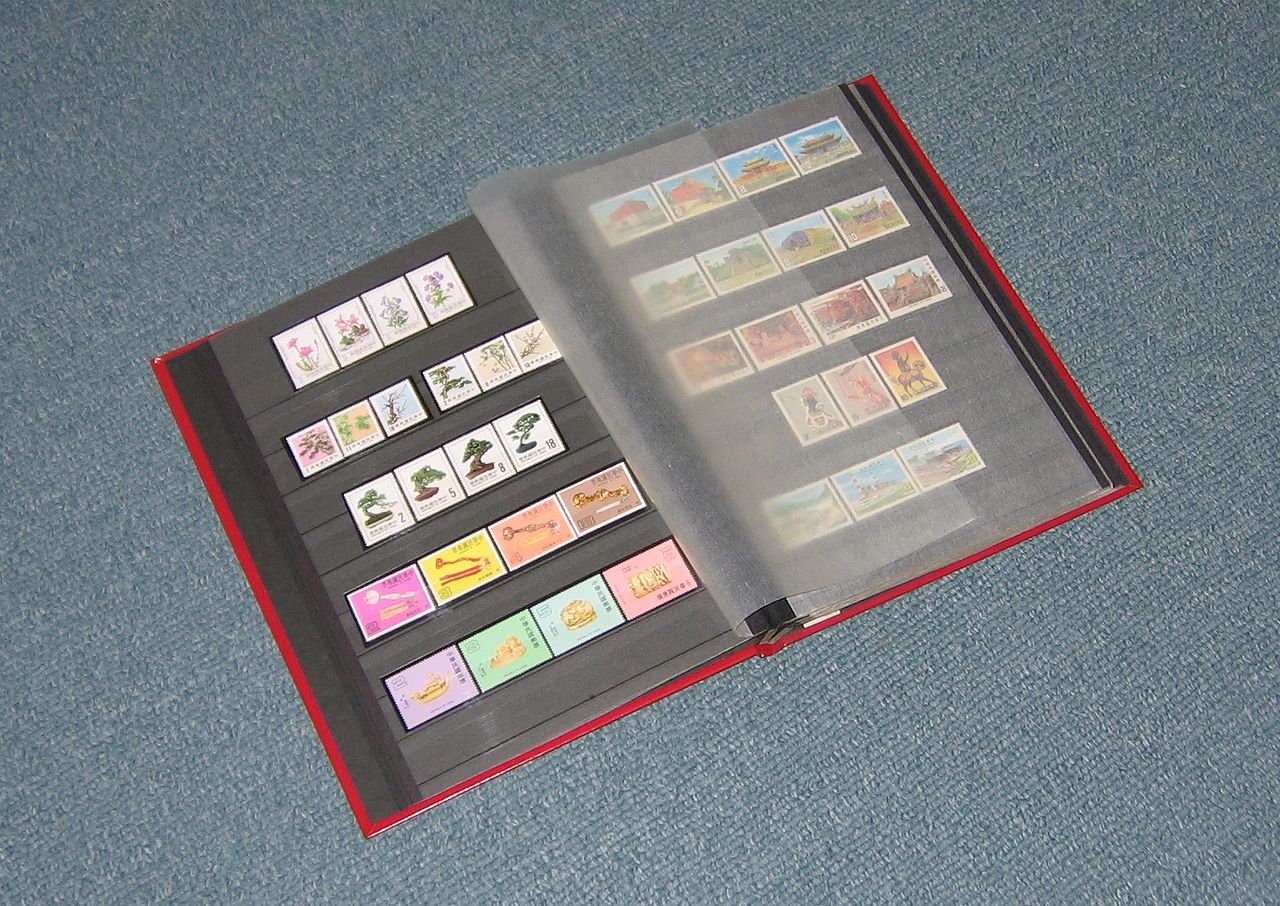
- Collecting: stamps, coins, memorabilia, vintage items.
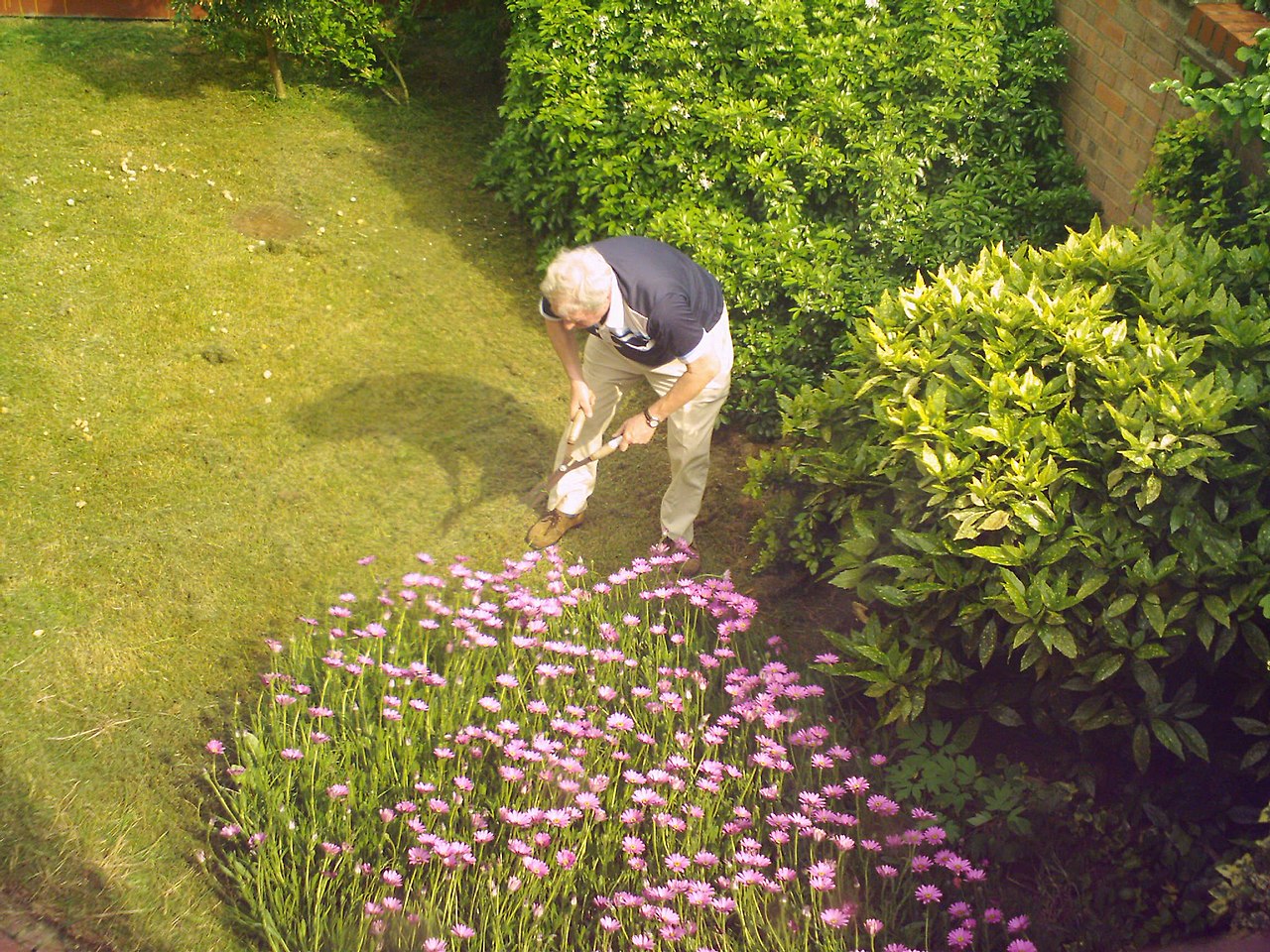
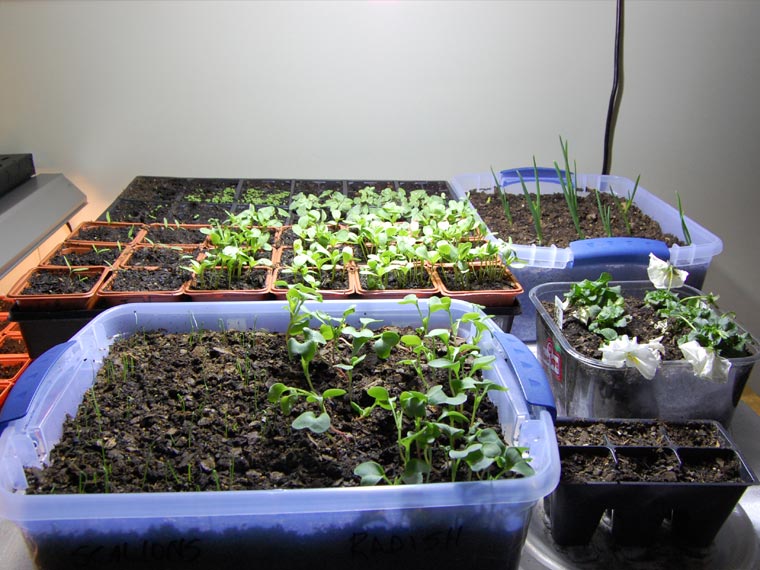
- Outdoor pursuits: gardening, hiking, birdwatching, cycling.
- Technical and maker hobbies: electronics, woodworking, model building, coding.
- Games and sports: board games, chess, team sports, rock climbing.
The history of hobbies traces back to leisure practices of preindustrial societies but expanded greatly during the 19th and 20th centuries as work hours and disposable income changed. Industrialization, mass-produced materials, print media, and later digital platforms have shaped which hobbies are popular and how communities form around them.
How to start and sustain a hobby
Begin by sampling a few activities without heavy investment: borrow, rent, take an introductory class, or join a group. Set small goals, schedule regular time, and allow the hobby to evolve. Online forums and local clubs can offer guidance and social motivation; for lists of groups and resources try ways to explore hobbies. Balance is important—hobbies should enrich life, not create new pressures.
Notable distinctions: a hobby differs from a vocation (paid work) and a pastime (very casual diversion). Some hobbies become professions or businesses, while others remain personal outlets. When a pleasurable pursuit turns into an obsession harming relationships or health, it moves beyond a healthy hobby. Overall, hobbies play a key role in lifelong learning, wellbeing, and community building.
Author
AlegsaOnline.com Hobby: Meaning, Types, Benefits, and How to Start Leandro Alegsa
URL: https://en.alegsaonline.com/art/44597