
Greenhouse (Glasshouse): Design, History, and Uses
A greenhouse is a glazed structure for cultivating plants under controlled conditions. This article outlines greenhouse types, components, climate control methods, history, uses, and environmental considerations.
Overview
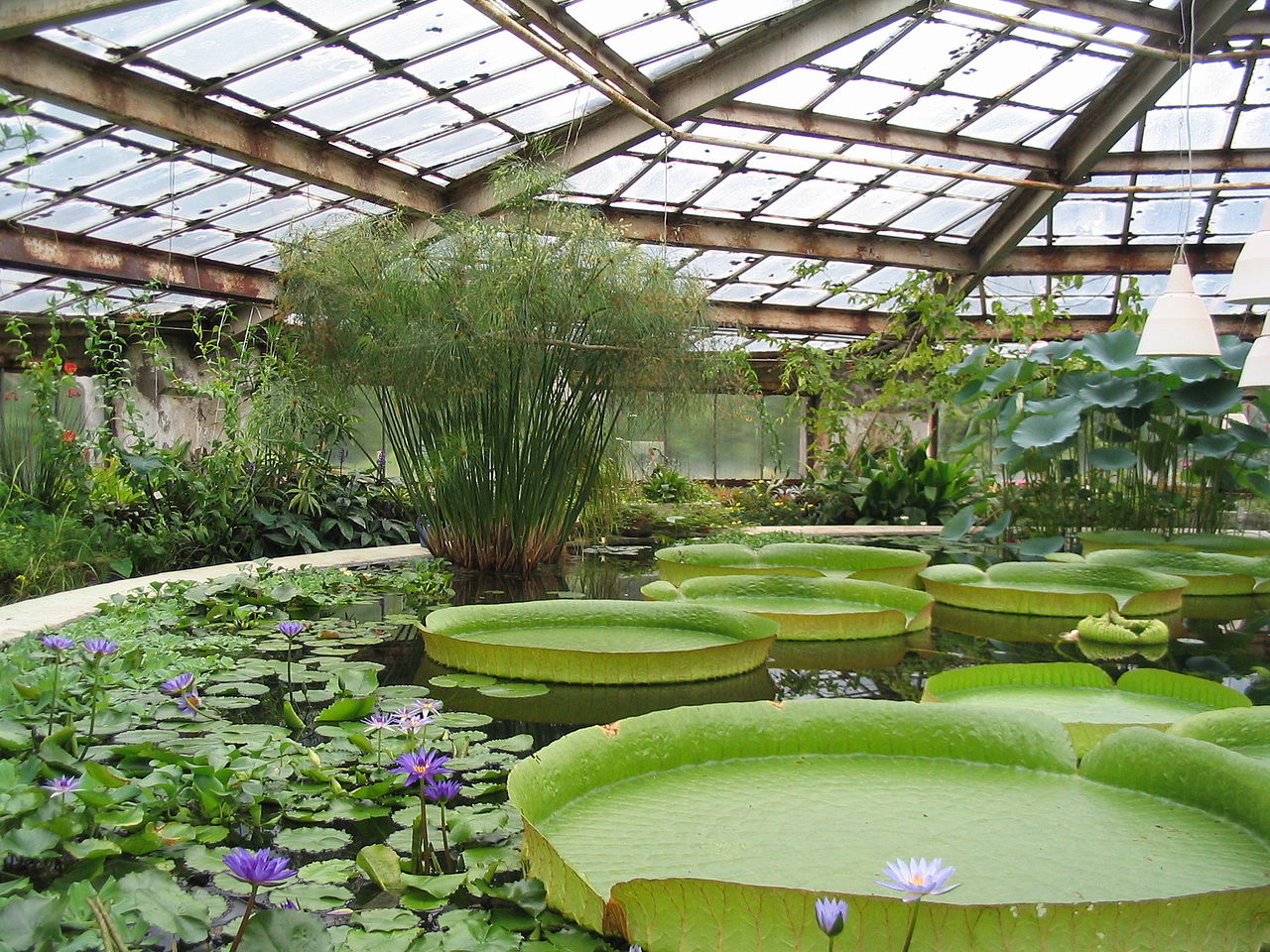
A greenhouse, sometimes called a glasshouse or hothouse, is a structure with transparent or translucent walls and roof used to grow plants in a regulated environment. By admitting sunlight and retaining warmth, a greenhouse creates a microclimate that can extend growing seasons, accelerate growth, or permit cultivation of species outside their native climates. Greenhouses range from small backyard units to large commercial complexes and research facilities.
Image gallery
10 Images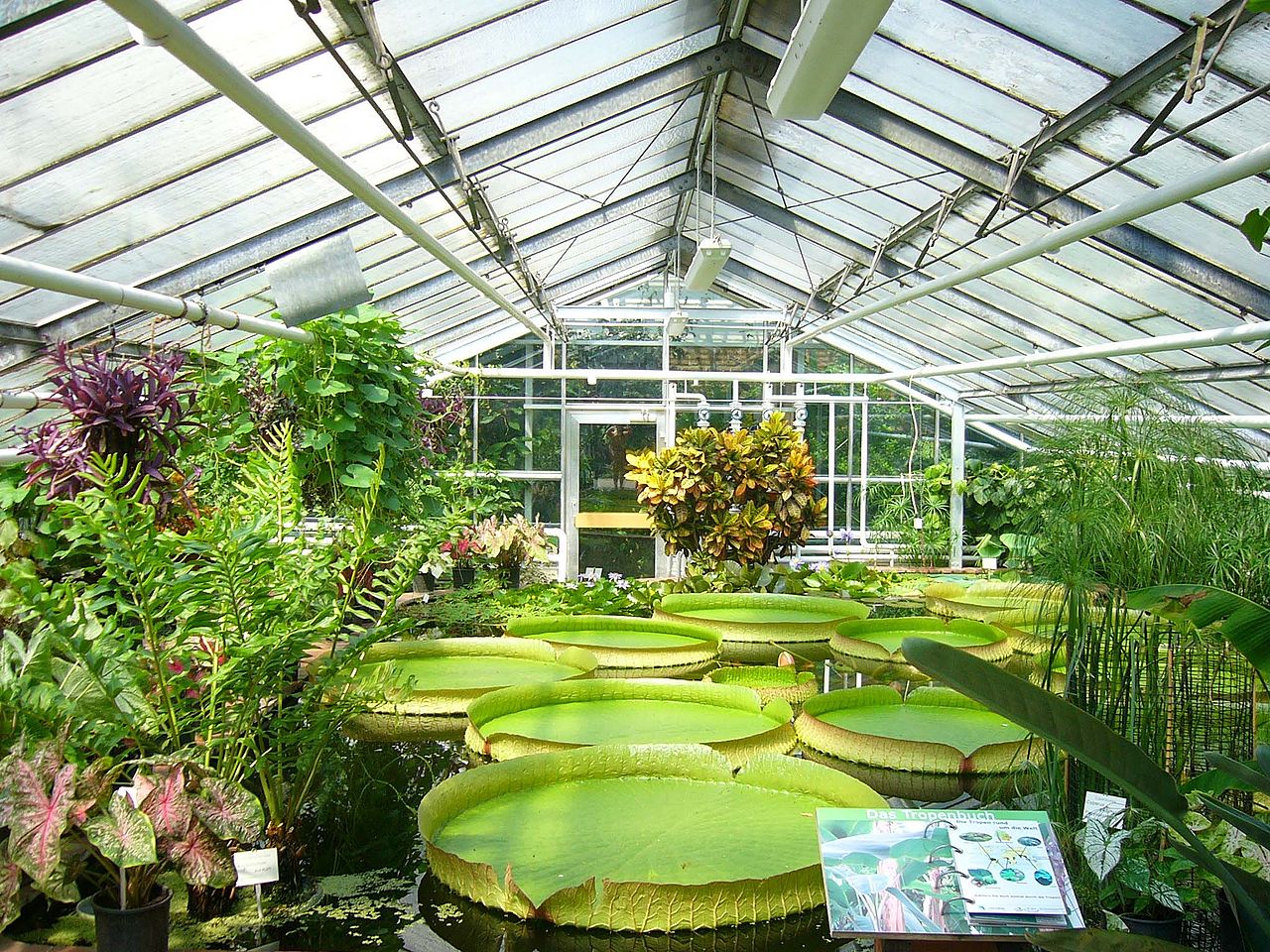




Common components and forms
Basic elements of a greenhouse include a glazed envelope, a frame, benches or growing beds, and systems for water and air management. Construction materials vary—glass, polycarbonate, and plastic films are widely used for glazing; timber, aluminum, and steel are common framing materials. Typical forms include freestanding glasshouses, lean-to structures attached to buildings, polytunnels (hoop houses), and specialized controlled-environment chambers.
- Glazing: glass or plastics that transmit light while insulating.
- Frame: supports glazing and equipment.
- Growing surfaces: benches, raised beds, containers.
- Environmental systems: heating, ventilation, shading, irrigation.
Climate control and management
Maintaining appropriate temperature, humidity, light and carbon dioxide levels is central to greenhouse operation. Passive heating uses solar gain and thermal mass. Active controls include heaters, ventilation fans, evaporative coolers, shading screens and supplemental lighting. Automated systems can monitor sensors and adjust conditions to optimize plant performance and energy use.
- Ventilation and shading to prevent overheating.
- Heating and insulation to reduce night-time losses.
- Irrigation methods from hand-watering to drip and hydroponics.
- Pest and disease management through sanitation, biological controls, or selective treatments.
History and development
Origins of greenhouse-like structures date back centuries, when gardeners used glass or oiled cloth to shelter tender plants. Advances in glassmaking, iron and steel framing in the 17th–19th centuries expanded possibilities for larger, light-filled houses. In the 20th and 21st centuries, plastics, improved glazing, and automated controls made greenhouses more affordable and energy-efficient, supporting commercial horticulture worldwide.
Uses and importance
Greenhouses are used for hobby gardening, commercial production of vegetables, ornamentals and cut flowers, propagation of seedlings, and botanical research. They enable year-round production, earlier harvests, and higher yields per unit area. In research and education, controlled environments support experiments on plant physiology and breeding.
Challenges and sustainability
Energy consumption, water use, and pest control present sustainability challenges. Improved insulation, heat recovery, renewable energy integration and precision irrigation reduce environmental impact. Careful design and management balance productivity with resource efficiency.
Distinctions and notable facts
Although often associated with the atmospheric "greenhouse effect," a greenhouse warms primarily by trapping convective heat inside an enclosed space rather than by the same radiative processes that warm Earth's atmosphere. Terminology varies by region: "glasshouse" is common in British English, while "greenhouse" is widely used in American English.
Questions and answers
Q: What is a greenhouse?
A: A greenhouse is a building where plants such as flowers and vegetables are grown, usually with a glass or translucent plastic roof and walls.
Q: What is the purpose of a greenhouse?
A: The purpose of a greenhouse is to provide an environment that is suitable for growing plants, especially in areas with harsh or unpredictable weather conditions.
Q: How does a greenhouse stay warm during the day?
A: A greenhouse stays warm during the day via penetration of the sun's rays, which heat the plants, soil, and structure.
Q: What happens to the heat in a greenhouse during the night?
A: The heat in a greenhouse is given up gradually throughout the night.
Q: Do all greenhouses have glass roofs?
A: No, not all greenhouses have glass roofs; some may have a translucent plastic roof or other materials.
Q: Are there any benefits to using a greenhouse for plant growth?
A: Yes, there are many benefits to using a greenhouse for plant growth, including better control of temperature, humidity, and pests, as well as longer growing seasons and increased yield.
Q: Can any type of plant be grown in a greenhouse?
A: Many types of plants can be grown in a greenhouse, although some may require specific environmental conditions and adaptations to thrive.
Related articles
Author
AlegsaOnline.com Greenhouse (Glasshouse): Design, History, and Uses Leandro Alegsa
URL: https://en.alegsaonline.com/art/40744