
Botanical garden: purpose, collections, and role in conservation
An overview of botanical gardens: definitions, typical collections and facilities, research and conservation roles, public uses, and how they differ from parks or arboreta.
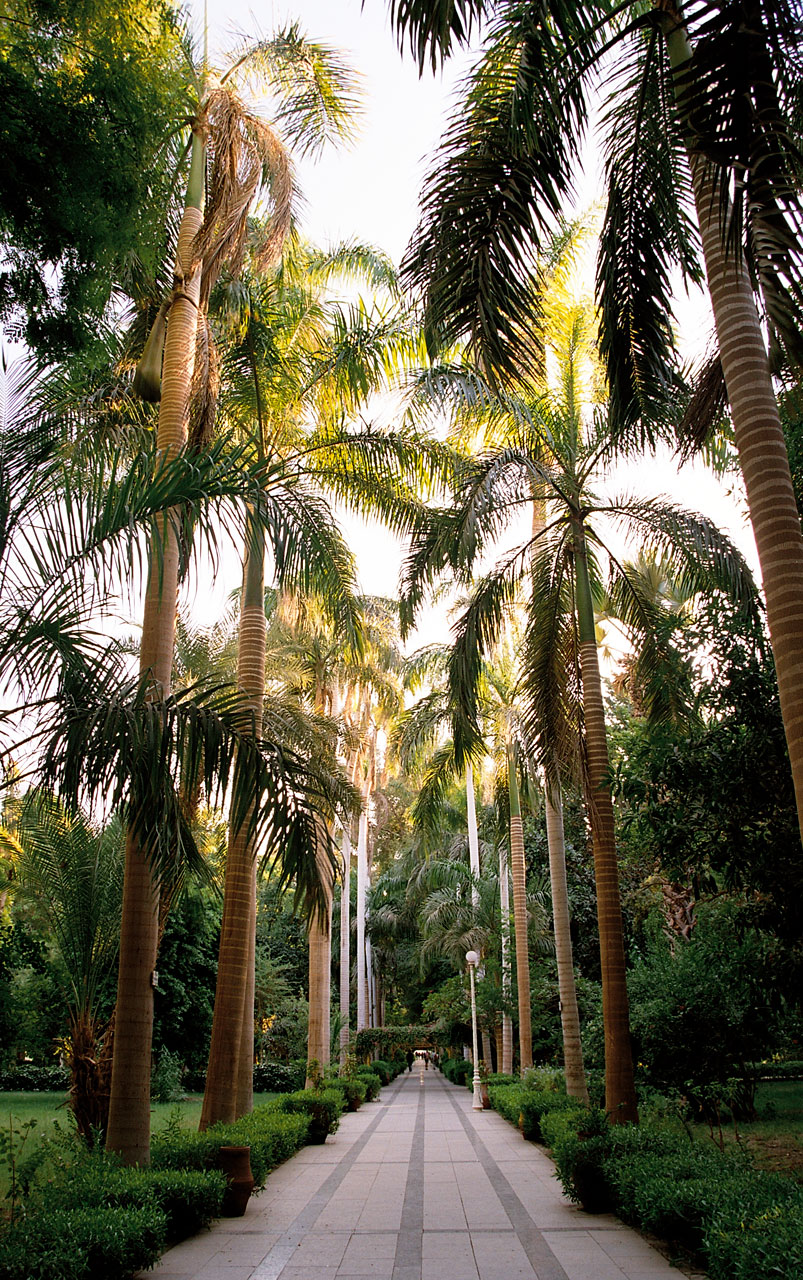
A botanical garden is a curated area—often a public garden or managed park—established to cultivate, label and study a wide variety of plants for scientific, educational and aesthetic purposes. Unlike informal plantings, botanical gardens maintain documented living collections identified by their scientific names and organized to support plant identification, comparative study and public interpretation. Many institutions combine outdoor beds with controlled environments to showcase plants that would not survive in the local climate.
Image gallery
10 Images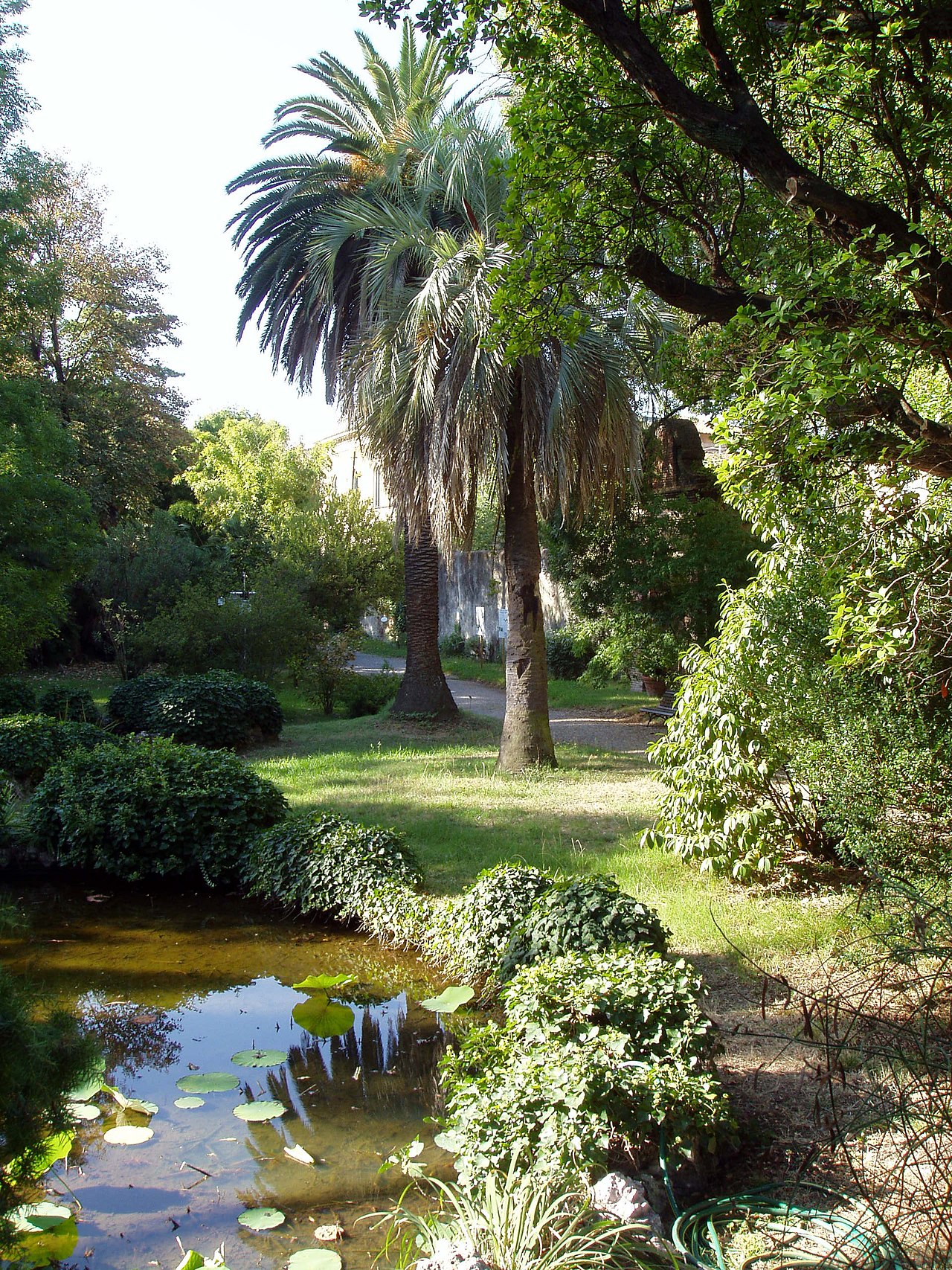



Typical collections and facilities
Collections are usually arranged by theme or function. Common examples include:
- Taxonomic beds and systematic displays that help teach plant relationships and naming (classification).
- Geographical or "regional" collections showing flora from particular parts of the world (regional or biogeographic plantings).
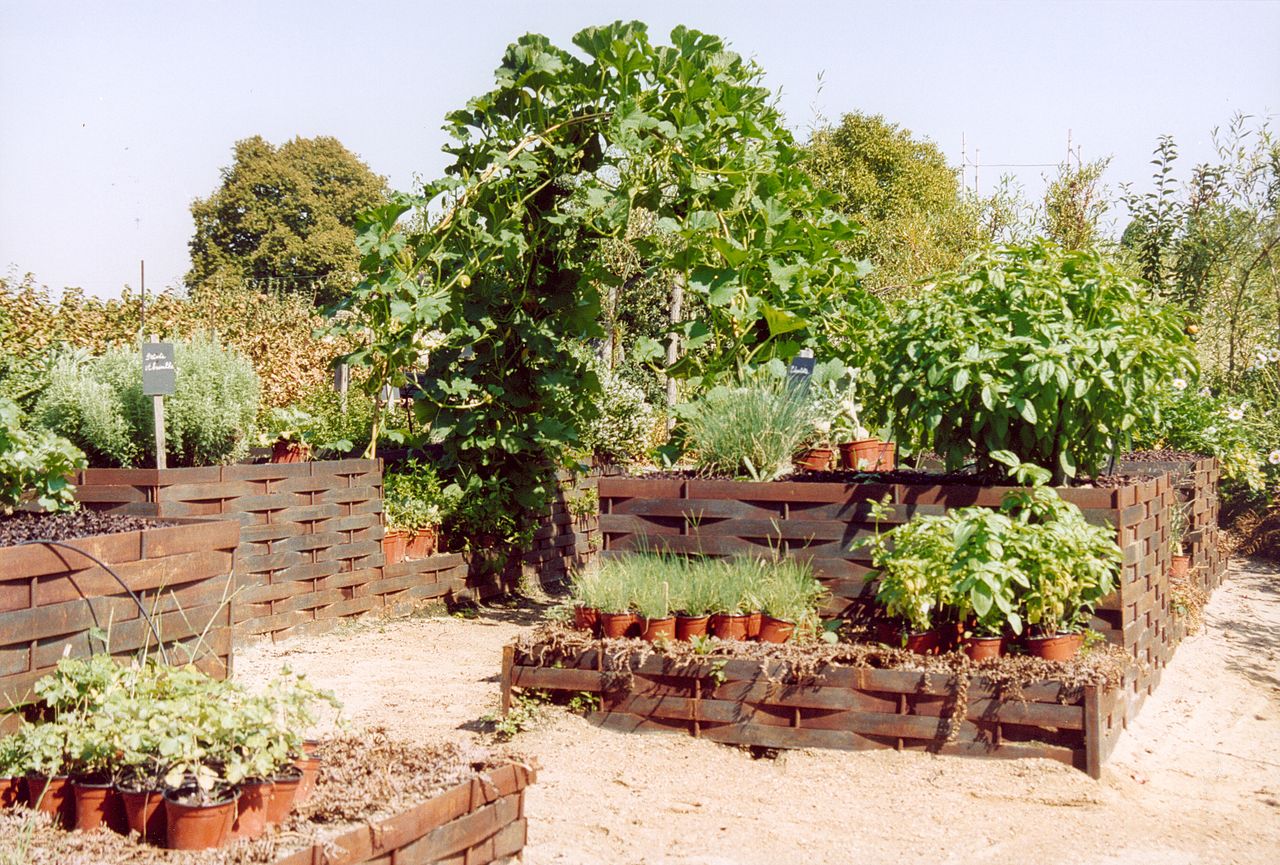
- Specialized groups such as succulents and cacti, medicinal and herb gardens, or collections of native wildflowers.
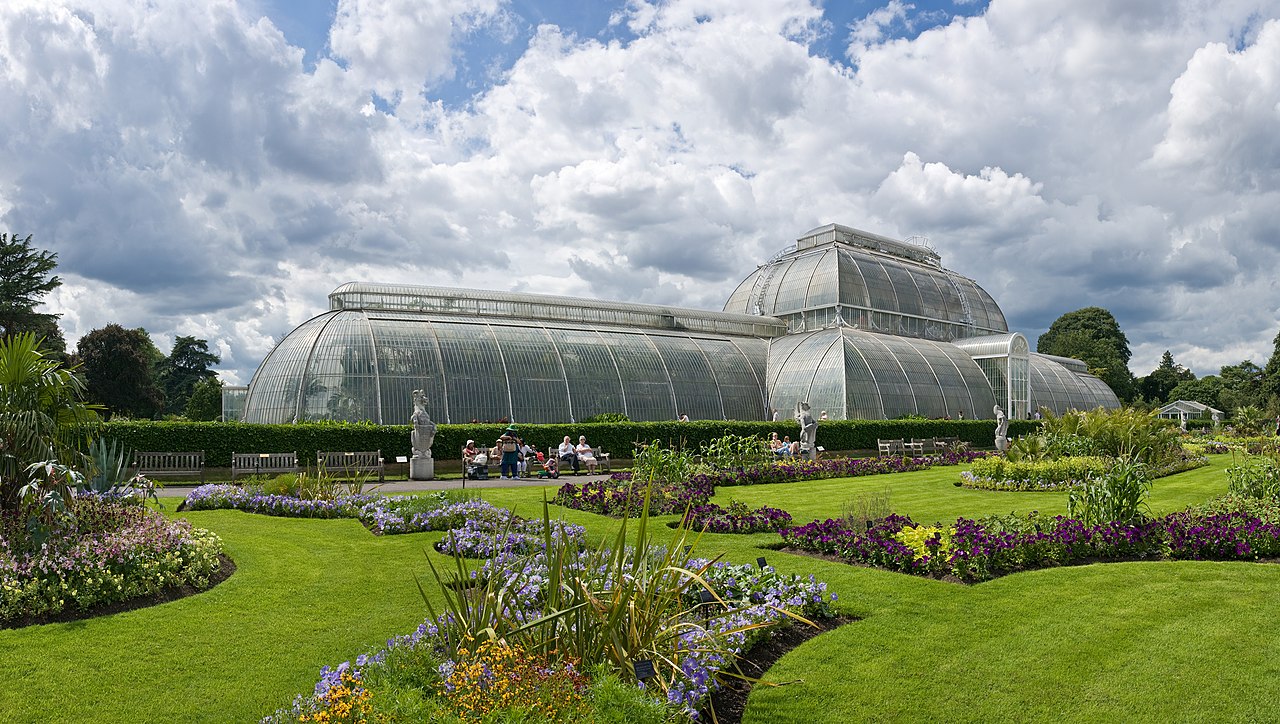
- Protected cultivation spaces: conservatories, greenhouses and shadehouses that house tropical, subtropical or delicate species.
- Alpine houses and cold frames for high-altitude or alpine plants requiring specific conditions.
Research, conservation and propagation
Botanical gardens serve as centers for ex situ conservation: they maintain living plants, seed collections and herbarium specimens used in research and species recovery. Gardens collect seeds or cuttings from wild populations to establish safety-net collections that can support later reintroduction into natural habitats. Modern propagation methods such as tissue culture are often used to multiply rare or slow-growing species from a few individuals. Many gardens collaborate with universities, conservation organizations and seed banks to track genetic diversity and monitor threats to plant populations.
Education, public engagement and use
Education is a primary mission: gardens provide interpretive labels, guided tours, workshops and school programs to teach botany, ecology and horticulture. They are living classrooms where visitors can learn plant identification, sustainable gardening practices and the role of plants in cultures. Beyond science and education, botanical gardens are valued cultural venues that host public events, art installations and seasonal displays, contributing to tourism and community wellbeing.
History and distinctions
The concept of cultivated plant collections has ancient roots in medicinal ‘‘physic’’ gardens and private aristocratic estates. Over centuries these evolved into modern botanical gardens that emphasize scientific documentation and public access. Botanical gardens differ from arboreta (which focus on trees and shrubs), general parks (designed mainly for recreation) and commercial nurseries (focused on plant sale). Institutional gardens typically include curatorial staff, living-collection databases and associated research libraries or herbariums.
For further information and institutional examples, consult garden directories, academic resources and botanical networks. Many gardens participate in international plant conservation initiatives and publish their own research, contributing to taxonomy, horticulture and practical conservation. See resources on plant labeling and interpretation (botanical nomenclature), plant databases and public programming (visitor information, park partnerships), or specialized collections (succulent collections, herb gardens, regional floras, alpine cultivation, greenhouse management) for practical guidance.
Related articles
Author
AlegsaOnline.com Botanical garden: purpose, collections, and role in conservation Leandro Alegsa
URL: https://en.alegsaonline.com/art/13243