
Germination: how seeds and spores begin active growth
Germination is the process by which a seed or spore resumes growth and produces a new plant body. This article covers mechanisms, requirements, stages, differences between seeds and spores, and practical uses.
Germination is the process by which a dormant reproductive unit—most commonly a seed or a spore—resumes metabolism and begins to grow. In botanical usage (botany), germination describes the transition from inactivity to active development, producing a shoot, seedling, or, for fungi, an extending hypha. The underlying biology and ecological strategies of seeds and spores differ, which shapes how and when they germinate.
Image gallery
9 Images


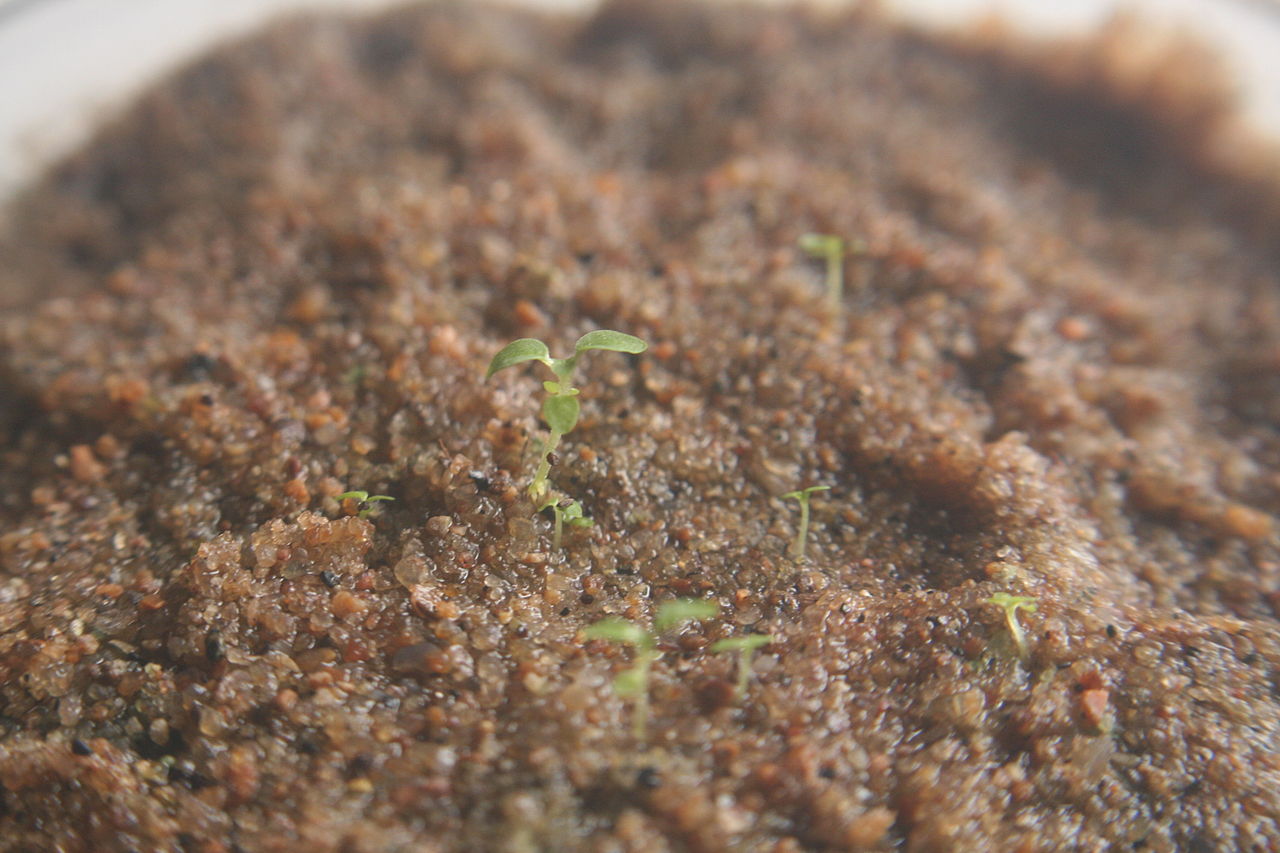


Structure and differences: seeds versus spores
Seeds are multicellular structures that enclose an embryo, a nutrient reserve (commonly the endosperm or stored cotyledon tissue), and a protective seed coat. They are produced by seed plants, including gymnosperms (for example conifers) and angiosperms. In contrast, spores are usually unicellular, smaller, and produced in vast numbers by lower plants and fungi; examples include mosses, ferns, and many fungi. Because spores generally lack a substantial internal food reserve, they often have a shorter viable lifetime and rely on producing large quantities to ensure some succeed.
Environmental requirements and dormancy
Germination only begins once both internal readiness and external conditions are suitable. Internal factors include the end of dormancy: physiological blocks inside the seed that prevent premature growth. External triggers vary by species, but common requirements include adequate moisture, suitable temperature, and sufficient oxygen. Some species also require light or darkness, chemical cues from smoke or charred wood, or passage through an animal gut. The concept used in horticulture and ecology—stratification and scarification—refers to exposing seeds to cold periods or mechanically weakening the coat to break dormancy.
Typical stages of germination
Although details differ among taxa, germination generally follows a sequence:
- Imbibition: rapid water uptake that rehydrates tissues and reactivates metabolism.
- Activation: respiration increases, enzymes mobilize stored reserves (endosperm or cotyledons) to nourish growth.
- Radicle emergence: the embryonic root breaks the seed coat and anchors the new plant.
- Shoot development: the plumule or coleoptile grows upward, and photosynthetic tissues begin to form.
- Establishment: the seedling transitions to autotrophic growth by producing leaves and roots.
Ecological and practical importance
Germination is central to plant life cycles and to ecosystems, agriculture, and horticulture. Timing germination correctly affects seedling survival, competition, and distribution. Humans manage germination through seed storage, treatments that break dormancy, and controlled environments for propagation. Seed banks conserve genetic diversity by storing seeds under conditions that extend viability, while nurseries apply knowledge of germination cues to propagate crops and restoration plantings.
Notable distinctions and facts
Unlike seeds, many spores cannot remain viable for as long and often depend on sheer numbers and dispersal strategies to succeed. Some seeds can remain viable for decades or longer under ideal conditions, while others germinate quickly after dispersal. Fruits carry one or more seeds plus additional tissues derived from the flower; their germination requirements are essentially those of their enclosed fruit seeds. Practical tests of germination rate and viability are widely used in agriculture and conservation to predict field performance.
For further reading on specialized topics—such as seed dormancy mechanisms, smoke-stimulated germination, or fungal spore germination—consult botanical or mycological references and resources. Basic experimental approaches, like observing seed germination on moist filter paper or tracking spore germination under a microscope, illustrate the core concepts described here.
References and external resources: introductory textbooks in plant physiology and ecology provide detailed explanations of germination biology; practical protocols and conservation guidelines are available from seed banks and agricultural extension services (spore, seed, growth, botany, shoot, seedling, biology, mosses, ferns, embryo, endosperm, Gymnosperms, conifers, species, fruit).
Questions and answers
Q: What is germination?
A: Germination is the process in which a spore or seed starts to grow and produce a shoot, seedling, or hypha.
Q: How do spores differ from seeds?
A: Spores have a very limited lifespan and only a small percentage of them will germinate under the right conditions. Seeds contain an embryo, store of food (endosperm), and protective coat. They can survive much longer than spores, sometimes for hundreds of years.
Q: What must happen before seeds will germinate?
A: The dormancy period must be over and the hibernation must be ended by events in the environment that trigger germination such as temperature, water, fire, or cold spell.
Q: Are fruits similar to seeds when it comes to germination?
A: Yes, fruits are just like seeds with one or more extra layers derived from parts of the flower so they have the same requirements for germination.
Related articles
Author
AlegsaOnline.com Germination: how seeds and spores begin active growth Leandro Alegsa
URL: https://en.alegsaonline.com/art/38499
Sources
- simple.wiktionary.org : germinate
- simple.wiktionary.org : germination