
Ginger (Zingiber officinale): plant, spice and traditional remedy
Ginger is a perennial flowering plant whose aromatic rhizome is a global culinary spice and traditional remedy. This article summarizes its botany, history, uses, chemistry, cultivation and safety notes.
Overview
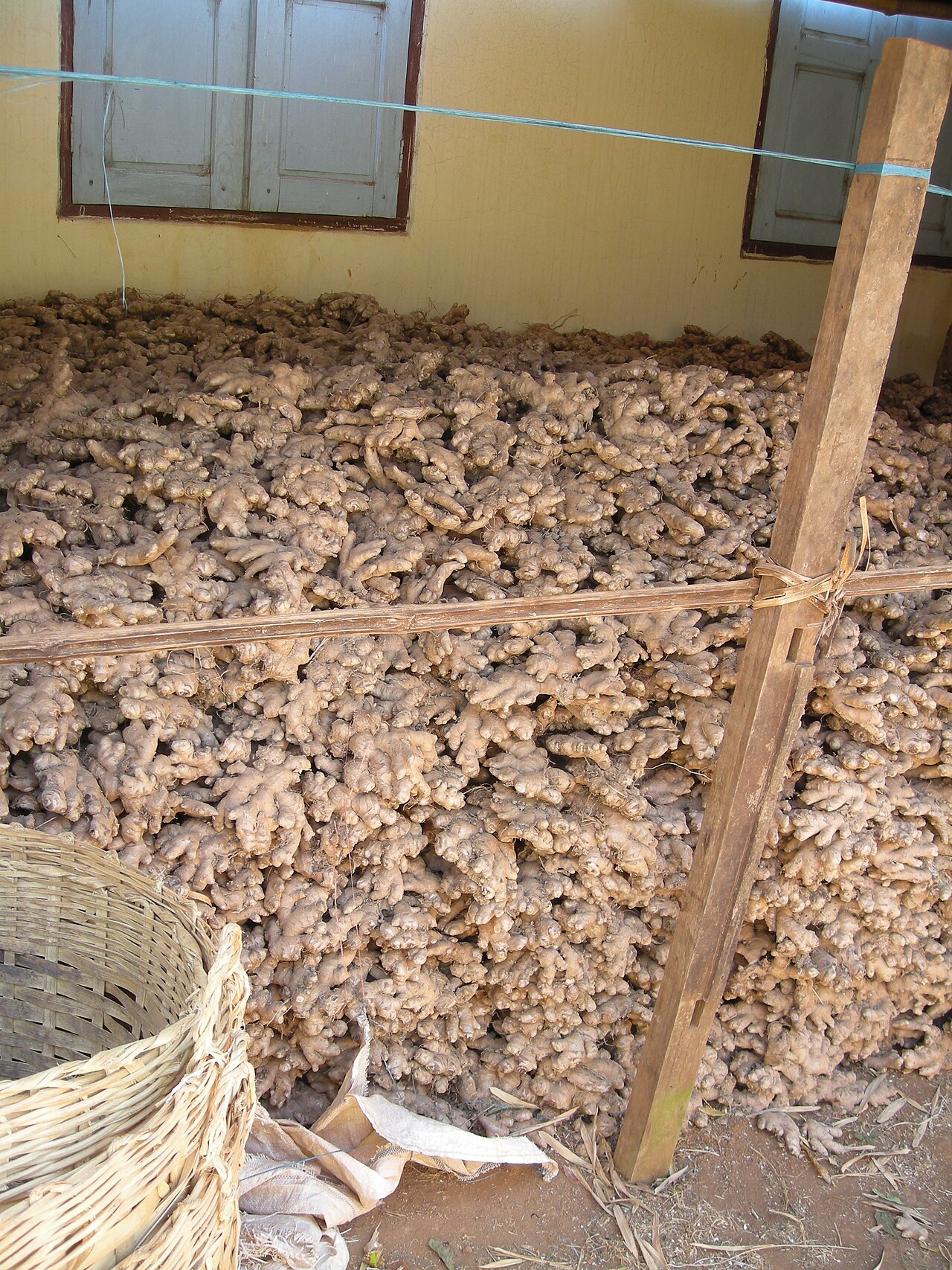
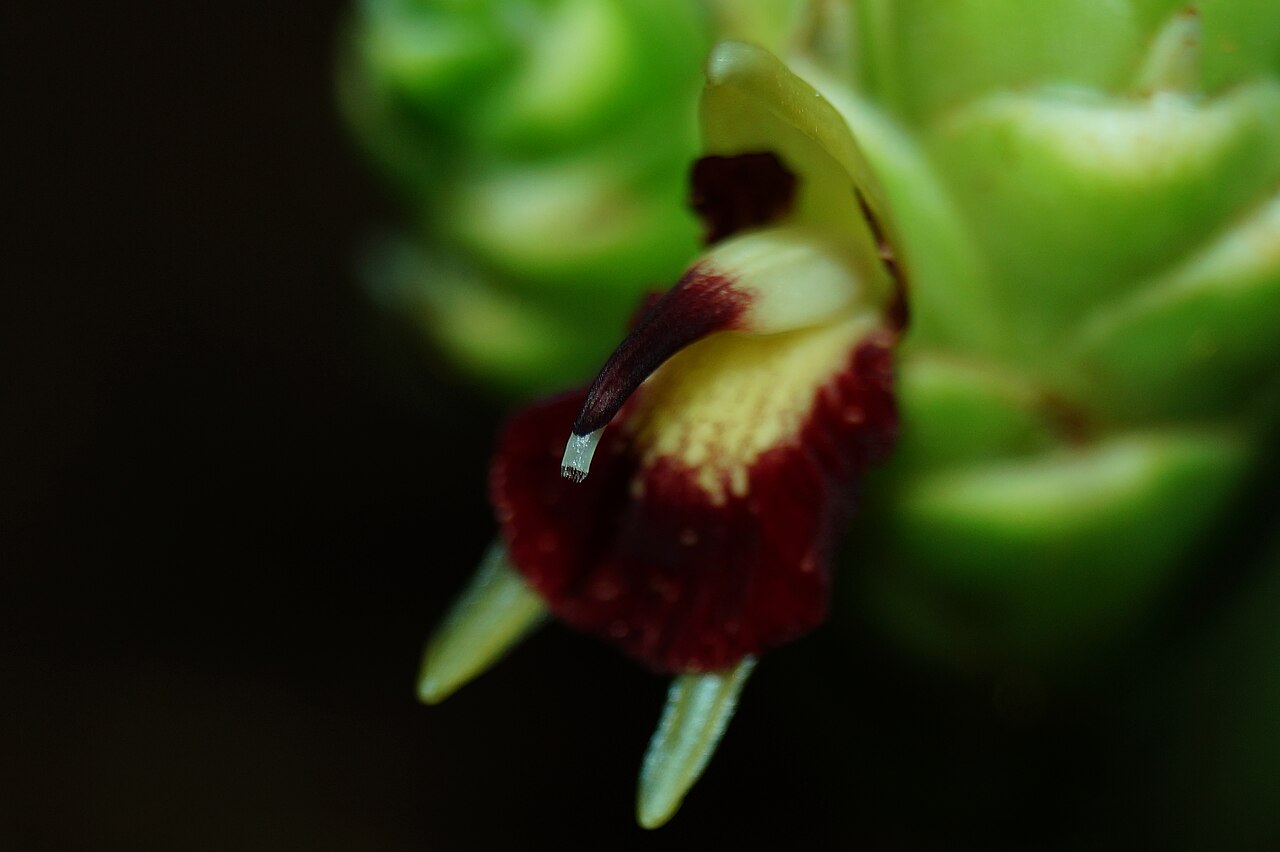
Ginger (Zingiber officinale) is a herbaceous perennial grown for its aromatic underground stem, the rhizome, commonly called ginger root. The rhizome has been used worldwide as a culinary spice and flavoring and has a long history of use in traditional medicine. A concise botanical summary is available at botanical description. The plant forms leafy pseudostems and produces separate flowering shoots that arise from the rhizome; information on the inflorescence is available at inflorescence notes.
Image gallery
10 Images





Botany and chemistry
Ginger grows from creeping rhizomes that send up annual pseudostems of rolled leaves. Leaves are narrow and lance-shaped and the plant prefers warm, humid conditions. The characteristic aroma and pungency of ginger come from volatile oils and phenolic compounds, notably gingerols, shogaols and related substances; these contribute to flavor, fragrance and some of the reported biological activities.
History and cultivation
Native to parts of tropical Asia, ginger has been cultivated for millennia and spread along trade routes. Major historical centers of cultivation include China (China), India (India) and communities across Southeast Asia (Southeast Asia). Over time ginger was introduced to West Africa (West Africa) and to the Caribbean (Caribbean). Modern cultivation generally requires warm temperatures, shade in some climates, and well-drained soils; farmers harvest young or mature rhizomes depending on market use.
Culinary uses
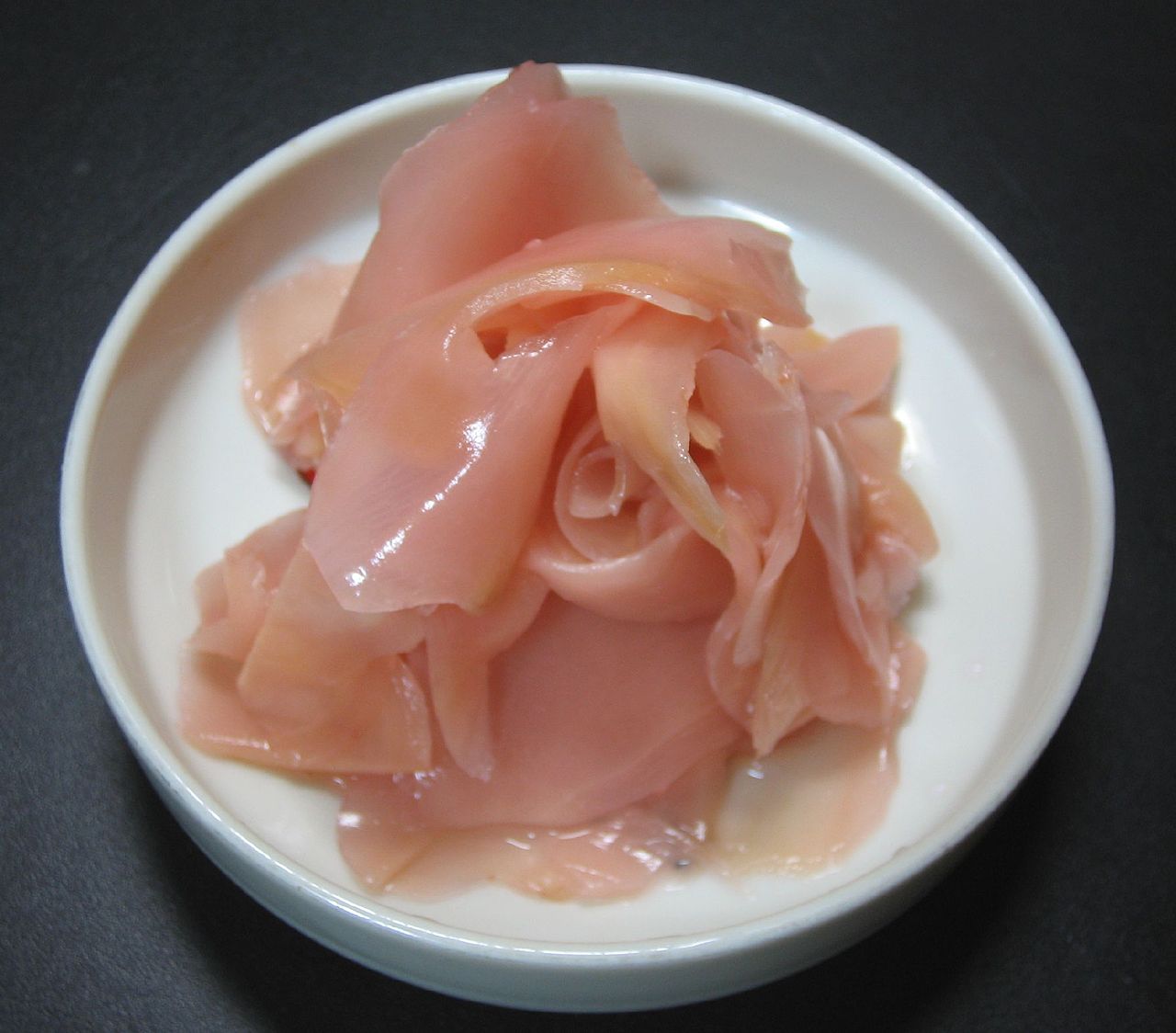
Ginger is used fresh, dried, powdered, pickled, candied and distilled to an essential oil. It is a common ingredient in savory dishes, baked goods such as gingerbread, preservative preparations, teas and spiced beverages; practical culinary guidance is available at culinary uses. Fresh ginger gives a bright, sharp heat, while dried or cooked forms develop sweeter, more caramelized notes.
Traditional and clinical uses
In many traditional systems ginger has been used for digestive complaints, nausea and to support general comfort. Clinical studies have investigated ginger for nausea related to pregnancy, surgery or motion sickness; evidence varies by condition and dose, and professional guidance is advisable. Research continues into possible anti-inflammatory and digestive effects, but conclusions should be cautious and based on current systematic reviews and clinical guidance.
Safety, processing and varieties
Ginger is generally well tolerated in culinary amounts. In concentrated medicinal doses it may interact with some medications or increase bleeding risk in people taking anticoagulants, so medical advice is prudent for those on prescription drugs. Commercial forms include fresh (young or mature), dried, powdered, preserved (pickled or candied) and oils or extracts used in flavorings and remedies. Several cultivars and regional types exist, reflecting local preferences and growing conditions.
Culture and notable facts
- Terminology: the edible organ is the rhizome, often called ginger root.
- Color and usage: the word “ginger” also denotes a red-brown hair color in English; see cultural notes at ginger hair.
- Further practical resources on cultivation and trade are available from agricultural and spice guides at spice resources and related crop references.
For more detailed botanical or horticultural entries consult specialist plant databases and regional agricultural extensions, beginning with a plant profile at botanical description and practical cultivation or processing guides at spice resources and culinary uses.
Related articles
Author
AlegsaOnline.com Ginger (Zingiber officinale): plant, spice and traditional remedy Leandro Alegsa
URL: https://en.alegsaonline.com/art/38890