
Theme park (amusement park): design, types, history and importance
A theme park is a large outdoor entertainment complex built around rides, shows and themed environments. This article explains features, history, design and cultural and economic roles of theme parks.
Overview
A theme park is a leisure destination that groups rides, shows, food outlets and retail inside a deliberately designed environment. Attractions range from mechanical rides such as roller coasters and carousels to water slides, live performances and interactive exhibits. The layout, music, costuming and architecture are often coordinated to create an immersive mood or story that shapes the visitor experience.
Image gallery
10 Images



Characteristics and typical components
Most parks mix thrill rides, family attractions and gentler experiences for children. Common components include:
- Mechanical rides: coasters, spinning rides, dark rides and simulators.
- Water attractions: wave pools, river rides and water slides.
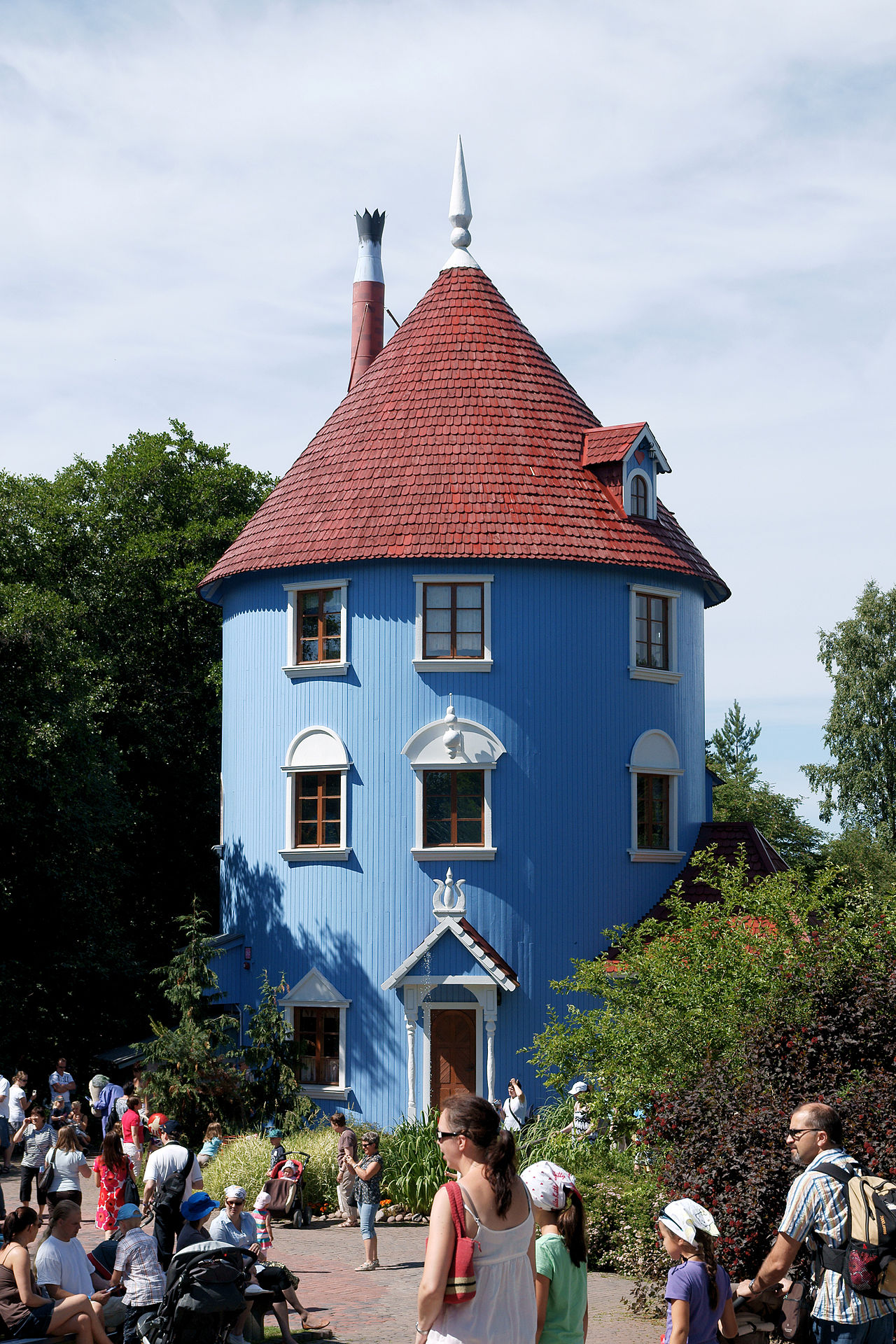
- Themed lands and scenic design: areas that share a motif, era or narrative.
- Support facilities: restaurants, retail shops, ticketing and first aid.
- Entertainment: parades, stage shows and seasonal events.
History and development
Theme parks evolved from early fairgrounds, pleasure gardens and seaside piers. Through the 20th century, advances in engineering, storytelling and mass tourism encouraged larger, purpose-built parks. Innovations such as dark rides, animatronics and computer-controlled attractions increased immersion and complexity. In recent decades, parks have become global brands and often expand into resorts, hotels and media franchises.
Types, themes and examples
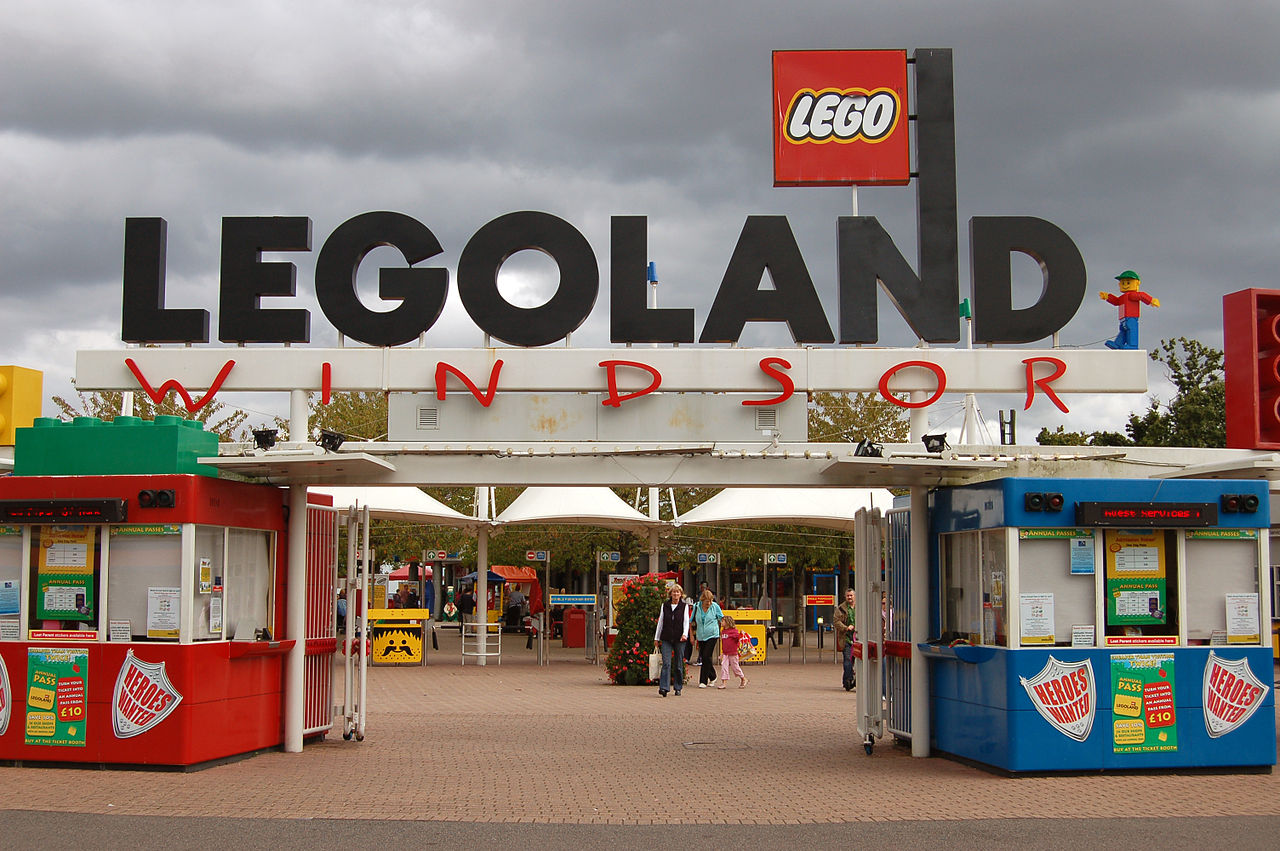
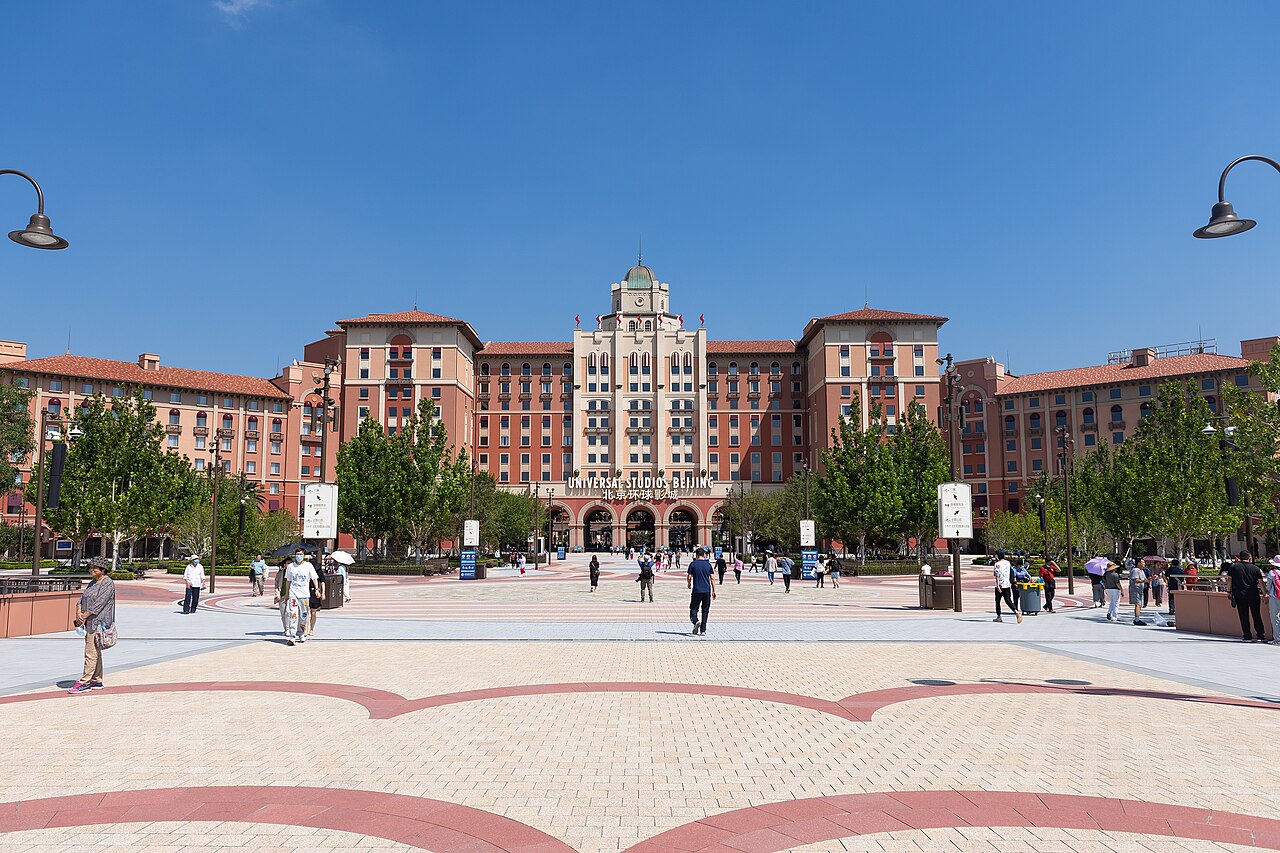
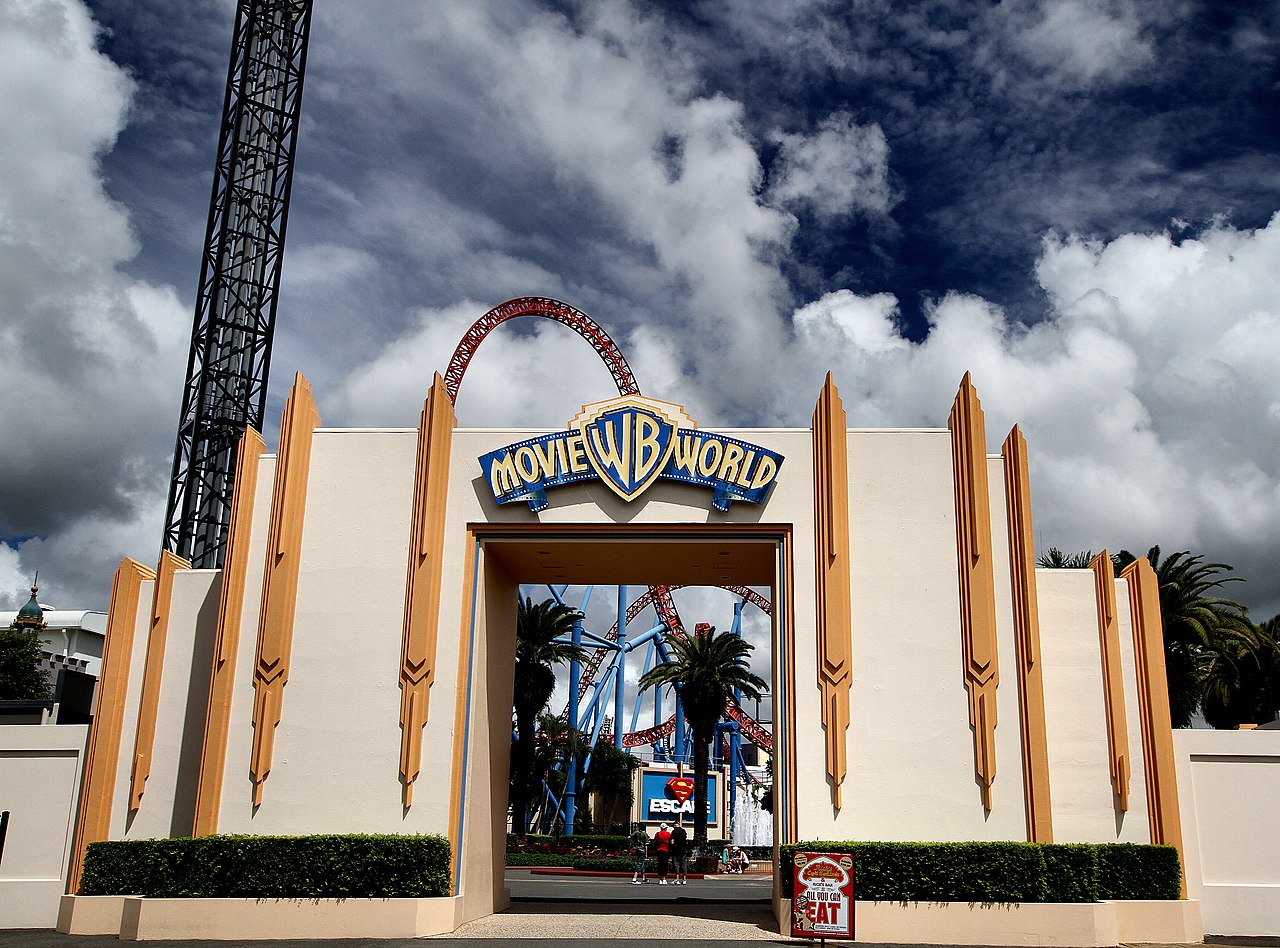
Parks may emphasize a single concept—history, nature, a toy brand, or a film franchise—or present multiple themed areas. Water parks prioritize aquatic play; family parks focus on age-inclusive attractions; and some parks highlight cultural or historical themes. Many operators license intellectual property to create attractions based on movies, books or characters, often leaning toward adventure and action genres to attract thrill-seekers.
Design, operations and safety
Design balances capacity, circulation, sightlines and guest comfort while meeting engineering and safety standards. Ride systems undergo rigorous testing and daily inspections; parks maintain guest services, evacuation plans and trained staff. Sustainable practices—energy use, water recycling and habitat protection—are increasingly integrated into park operations.
Economic and cultural importance
Theme parks generate tourism, employment and local business activity. They shape popular culture through iconic attractions and park-specific traditions. While offering recreation, they also raise planning and environmental questions about land use, noise and crowding, requiring coordination with communities and regulators.
Notable distinctions
Not every amusement venue is a theme park: a fairground or simple amusement park may lack a coherent theme or immersive storytelling. Conversely, a theme park emphasizes an overarching concept and narrative applied across its environment and attractions. This narrative focus is what distinguishes a themed resort from a generic ride collection.
Related articles
Author
AlegsaOnline.com Theme park (amusement park): design, types, history and importance Leandro Alegsa
URL: https://en.alegsaonline.com/art/99210