
Groundskeeper
A groundskeeper maintains outdoor spaces—parks, sports fields, campuses and estates—managing turf, plants, irrigation, pest control and seasonal work to ensure safety, functionality and appearance.
Overview
A groundskeeper is a professional responsible for the care and upkeep of outdoor areas, including lawns, gardens, athletic fields, parks, cemeteries and institutional campuses. Their work focuses on both visual appearance and practical functionality: healthy vegetation, safe surfaces, reliable irrigation and tidy spaces for public use or private enjoyment.
Image gallery
4 Images


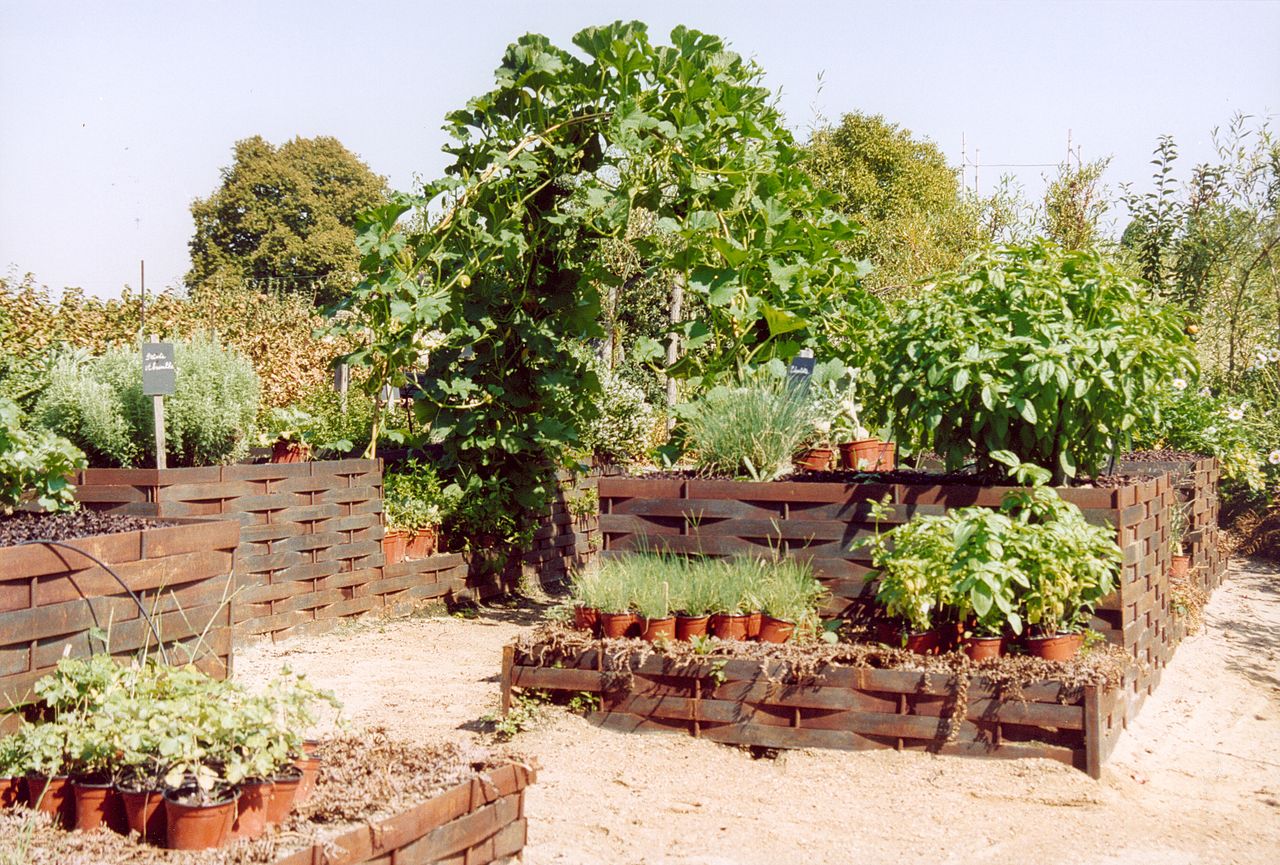
Duties and tasks
Typical responsibilities vary by setting and season but commonly include lawn mowing and edging, pruning, planting and mulching, controlling weeds and pests, soil management and fertilization, and preparing or marking playing fields. Groundskeepers may also perform general maintenance tasks such as fence repair, trash removal, snow clearing and the upkeep of walkways and drainage systems.
Tools, equipment and safety
- Common tools: push and ride-on mowers, string trimmers, blowers, pruning tools and hand tools.
- Specialized equipment: aerators, topdressers, irrigation controllers and spreaders for seed and fertilizer.
- Safety and protection: eye and hearing protection, gloves, proper footwear, and adherence to safe handling procedures for chemicals and powered equipment.
Training, skills and distinctions
Many groundskeepers learn on the job, but formal training in horticulture, turf management or landscape technology can be valuable. In some jurisdictions certifications or licenses are required for applying pesticides or operating certain machinery. The role is distinct from gardeners and landscape designers: groundskeepers often emphasize routine maintenance and large-scale turf management, while gardeners may focus on ornamental plants and designers on planning.
History and development
The occupation has roots in household and estate staff who maintained gardens and grounds. Industrialization and the rise of public parks, organized sports, and institutional campuses broadened the role and led to mechanization, scientific turf care and the emergence of specialized positions such as golf course superintendents and athletic field managers. Modern practice integrates plant science, soil science and technology like automated irrigation and turf-monitoring tools.
Importance, sustainability and examples
Groundskeepers play a key role in public safety and community well-being by keeping open spaces usable and attractive. Contemporary concerns include water conservation, integrated pest management, native plantings and reducing chemical inputs. Examples of groundskeeping contexts include municipal parks, school campuses, stadiums, golf courses and private estates—each with specific standards, seasonal cycles and performance requirements.
Related articles
Author
AlegsaOnline.com Groundskeeper Leandro Alegsa
URL: https://en.alegsaonline.com/art/41043