
Geraniales
Small order of rosid flowering plants dominated by the Geraniaceae (geranium family). Mostly herbaceous; notable for beaked schizocarp fruits and important ornamental and aromatic species like Pelargonium.
Overview
The Geraniales are a compact order of flowering plants placed within the rosid clade of the broad dicot group (rosids, dicotyledons). The order is best known for the geranium family, but also contains several much smaller families. Plants in this order occur worldwide, with a strong representation of ornamental and aromatic species.
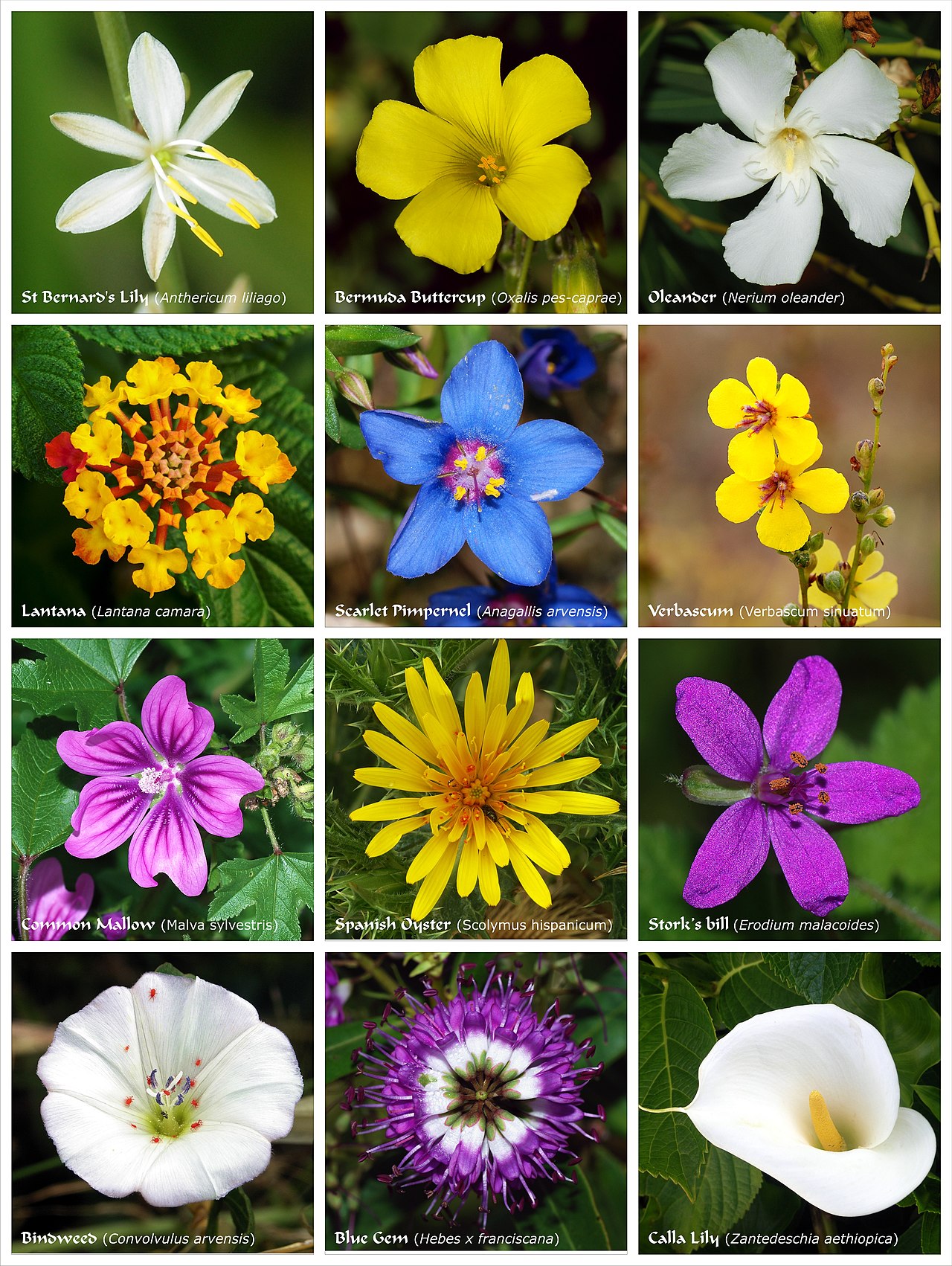
Image gallery
2 Images
Distinctive features
Members of the order are commonly herbaceous, though some take the form of shrubs or small trees. Flowers usually have a simple structure with five petals and five sepals, and stamens that are often numerous or variably reduced. A characteristic trait of many geranium relatives is the beaked schizocarp fruit — a dry fruit that splits into segments (mericarps) attached to a long beak-like column that aids seed release.
Major families and genera
- Geraniaceae: the largest family in the order, containing well over 800 species and the familiar garden cranesbills and storksbills.
- Pelargonium: historically included in Geranium and still commonly referred to as geraniums; many garden and scented-leaf cultivars belong to this genus (Pelargonium).
- Several small families and genera make up the remainder of the order; taken together these groups account for relatively few species compared with Geraniaceae (other small families).
Distribution, ecology and reproduction
Geraniales species occupy a range of habitats from temperate meadows to Mediterranean-type shrublands and parts of southern Africa, where several Pelargonium species are especially diverse. Pollination is typically insect-mediated. The mechanical design of the beaked fruit facilitates active seed dispersal: as the fruit dries the tension in its tissues causes the central column to split and curl, releasing the mericarps.
Uses, cultivation and economic importance
Many species in the order are cultivated for ornament, notably bedding geraniums and pelargoniums, prized for flower display and fragrant foliage. Some Pelargonium species yield essential oils (often called geranium oil) used in perfumery and aromatherapy. A few species have traditional medicinal uses and some cultivated types have become naturalized beyond their native ranges.
Taxonomy and notable facts
The name Geraniales derives from the genus Geranium, from the Greek geranos, meaning "crane," a reference to the long beak of the fruit that resembles a crane's bill. Modern molecular studies have refined family boundaries within the order, but Geraniaceae remains the dominant component. For gardeners and botanists alike, the group is recognizable by its combination of palmate or divided leaves, five-part flowers, and the distinctive explosive or elastic seed-release mechanism.
For further reading on plant classification and Geraniales biology see general resources on angiosperm orders (rosids overview) and dicot anatomy (dicotyledons), or consult specific treatments of Pelargonium and the other small families within the order.
Related articles
Author
AlegsaOnline.com Geraniales Leandro Alegsa
URL: https://en.alegsaonline.com/art/38399