
Balcony: design, construction, uses, safety and cultural context
A balcony is a platform projecting from a building at height. This article covers types, structural requirements, glazing and enclosures, safety and maintenance, and cultural examples such as Juliet balconies.
A balcony is an elevated platform that projects from the facade of a building and is usually surrounded by a low wall or railing to prevent falls. Balconies range from small, shallow "Juliet" types that do not allow standing space to large, habitable terraces. They are found on residential, commercial and public buildings and serve both practical and aesthetic functions, providing outdoor access, daylight, ventilation and views.
Image gallery
10 Images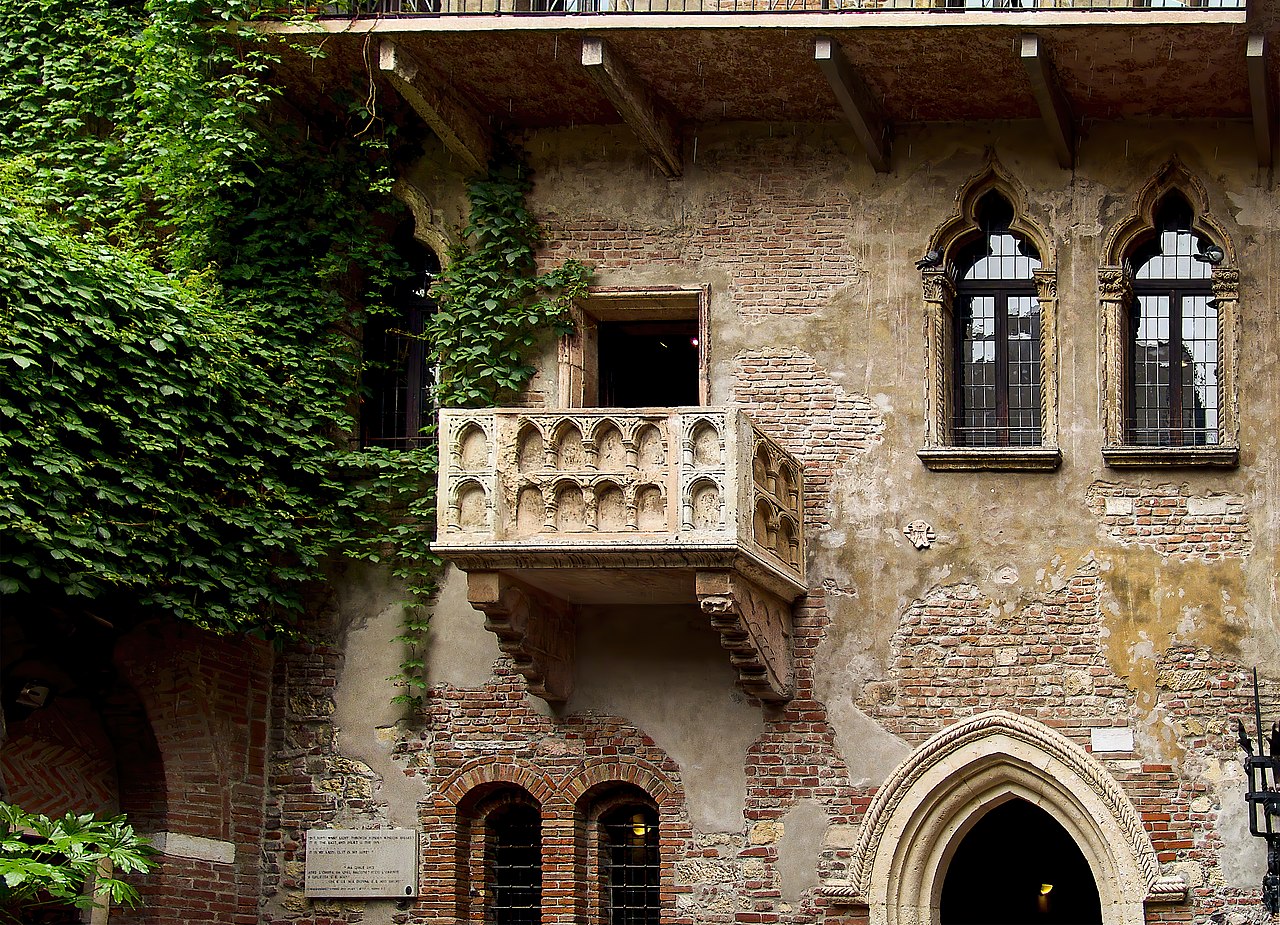


Typical parts and characteristics
- Deck or slab: the horizontal surface that supports people and objects. It may be made of reinforced concrete, steel, wood or composite materials.
- Support system: cantilevers, brackets, columns or hung systems transfer loads back into the structure.
- Balustrade or railing: protects occupants from falling and must meet minimum height and strength standards in many jurisdictions.
- Drainage and waterproofing: prevent water ingress into the building envelope and protect structural elements.
Construction, loads and safety
Balconies require careful structural design because they introduce concentrated loads and moments to the main building. A qualified engineer typically assesses live loads (people, furniture), dead loads (material weight) and environmental loads (snow, wind). Static evaluation and adherence to building codes reduce risk of progressive deterioration, cracking or collapse. Regular inspection is important, particularly where materials corrode or where the balcony connects to the main structure.
Safety features such as properly anchored railings, appropriate height limits, and childproof detailing are common regulatory requirements. Many regions require a minimum guardrail height and limit spacing to prevent passage of a small child. For guidance on standards and installation, consult a local building authority or a licensed professional — for example, see documents produced by local municipalities or engineering bodies (installation guidance).
Glazing, enclosures and weather protection
Balconies may be fitted with glazing or frameless glass systems to provide weather protection, reduce noise and extend the usable season. These systems are often called balcony glazing or balcony enclosures and must be engineered so that wind loads, thermal movement and drainage are addressed. Installation is usually performed by specialist manufacturers who supply design calculations and anchorage details; improper installation can cause components to fail and present hazards (glazing standards).
Uses and examples
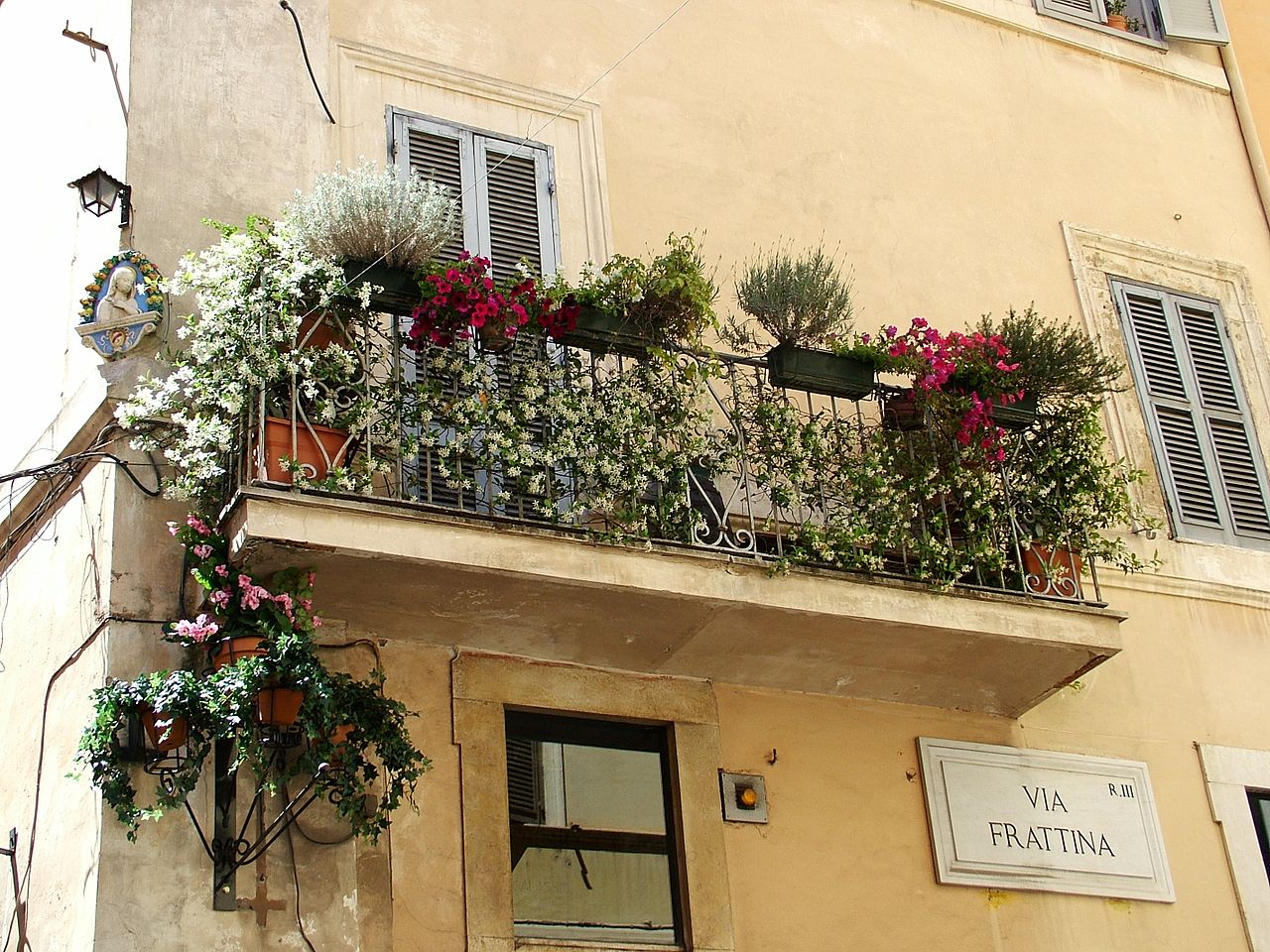
Balconies add usable outdoor space for leisure, gardening and socializing in dense urban areas. They can also improve natural ventilation and daylight for interior rooms. In architecture they are used as compositional elements that break a facade, provide shade or create a rhythm of projection and recession. Designers choose materials and forms to suit climate and cultural expectations.
Some balconies are notable for their cultural role. The small, narrow "Juliet balcony" is commonly associated with stage directions and literature; the image of lovers on a shallow balcony appears in plays and popular culture (literary reference), and guidebooks sometimes discuss famous examples (cultural notes). For photographic or documentary references see curated collections and archives (image resources).
Maintenance, legal considerations and distinctions
Maintenance tasks include checking waterproof membranes, clearing drains, treating or replacing corroded fixings, and inspecting railing integrity. Owners and managers should also be aware of jurisdictional responsibilities: property deeds and local regulations may determine whether balconies are private, communal or part of a building's common elements. Unlike ground-level terraces, projecting balconies usually require documented static evaluation and permits because of their structural interaction with the building.
In summary, balconies are multifunctional architectural features that demand appropriate design, installation and upkeep. When properly engineered and maintained they provide safe, attractive outdoor space and contribute to a building's performance and amenity.

Tags
Related articles
Author
AlegsaOnline.com Balcony: design, construction, uses, safety and cultural context Leandro Alegsa
URL: https://en.alegsaonline.com/art/8457