
Recreation: forms, benefits, settings, and social role
Recreation is voluntary activity undertaken during leisure to refresh body and mind. This article explains common forms, benefits, settings, history, and why public spaces and tourism matter.
Recreation refers to voluntary activities people do during free time that provide enjoyment, relaxation, or renewal. It is commonly framed as a way to refresh the body and mind: physical pursuits restore energy and fitness while leisure pursuits relieve stress and stimulate creativity. Everyday recreation ranges from quiet, solitary pursuits to vigorous team sports and communal events.
Image gallery
10 Images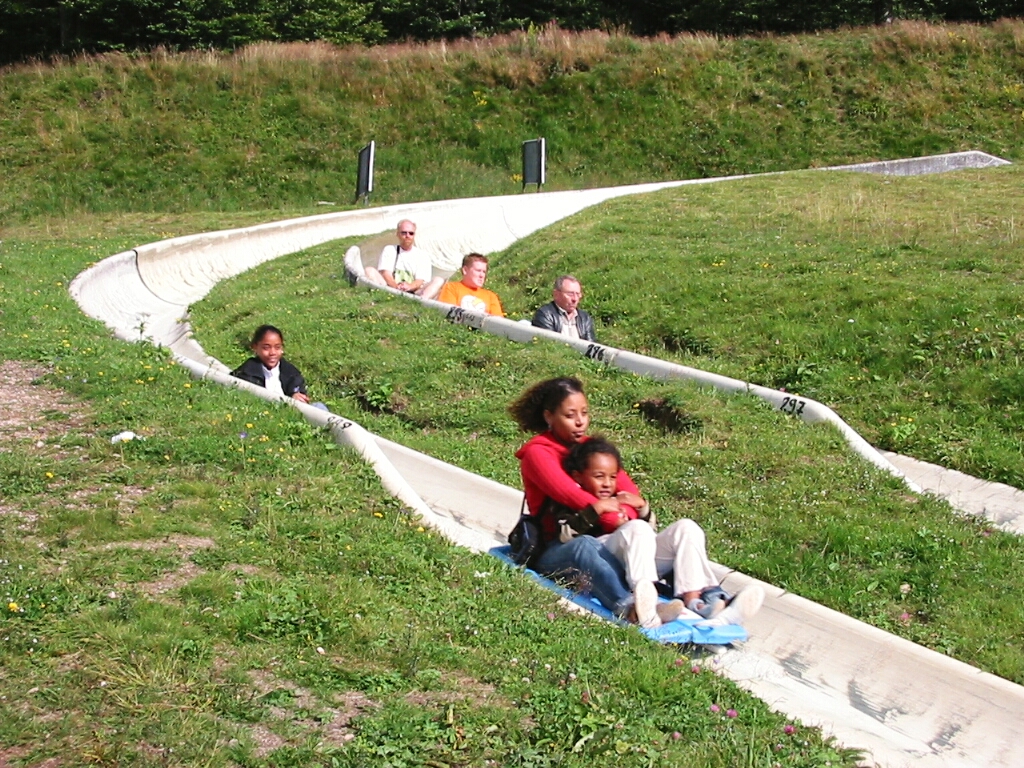





Common forms and settings
Recreational activities depend on interests, resources, and the local environment. Examples include:
- Active sports and exercise: running, cycling, swimming, team sports.
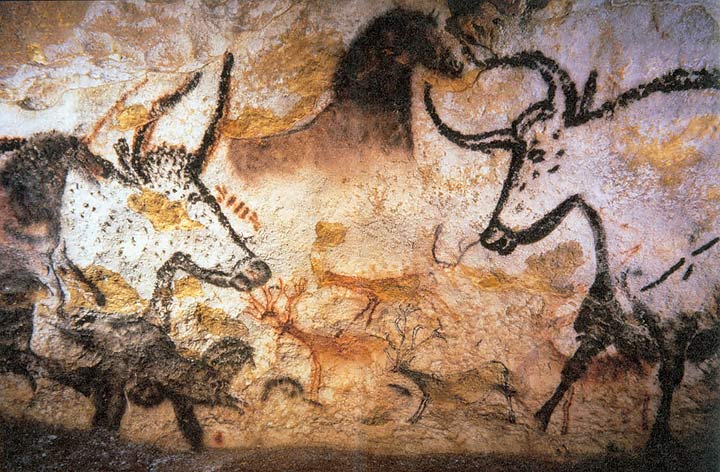
- Creative pursuits: music, art, dance, crafts and hobbies.
- Passive or contemplative leisure: reading, watching films, gardening.
- Outdoor and nature-based activities: hiking, birdwatching, fishing, beachgoing.
Those activities are often practiced in private or in shared places. Accessible public spaces such as city parks and beaches support many popular forms of recreation. The term also ties to how people use their leisure time to pursue physical refreshment (exercise and play) and mental respite (cognitive leisure).
Benefits and social importance
Recreation contributes to health, social cohesion, and quality of life. Regular recreational activity helps maintain physical fitness, reduce stress, and improve mood. Group activities build social bonds and foster community identity while organized programs can offer youth development, lifelong learning, and inclusive spaces for older adults.
History and cultural context
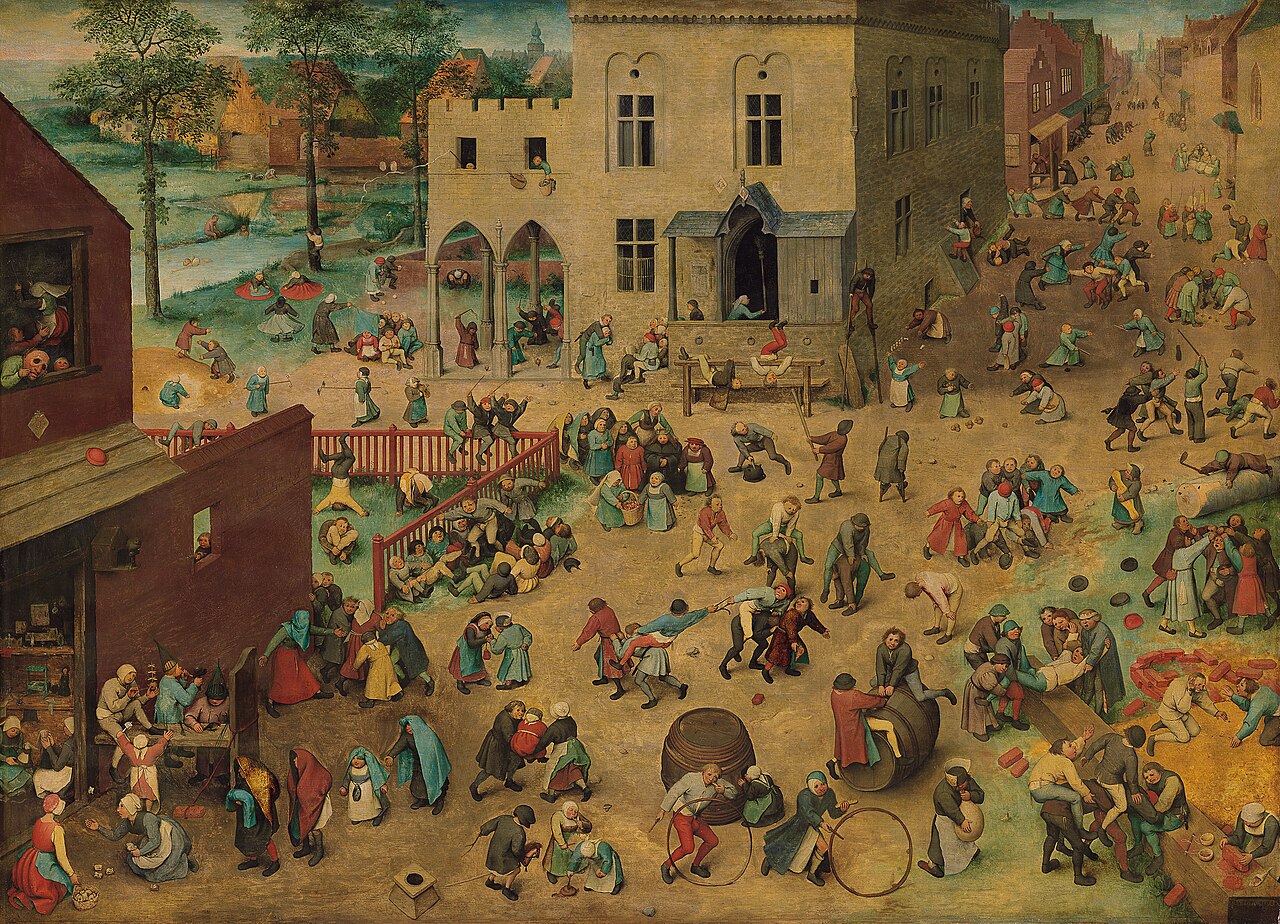
Forms of recreation reflect cultural priorities and available technologies. Traditional games, festivals, and crafts have long provided communal recreation. Industrialization and shorter working hours in many societies expanded organized leisure, leading to public parks, sports clubs, and cultural institutions. In the late 20th and early 21st centuries, digital media and global travel broadened choices for how people spend free time.
Planning, provision and the tourism connection
Urban planners and public agencies often treat recreation as a public good: parks, playgrounds, trails, and community centers are planned to serve health and equity goals. The travel and hospitality sector also promotes destinations by highlighting local recreational offerings; many visitors choose locations for outdoor recreation, cultural events, and leisure amenities (tourism and recreation).
Distinctions and notable points
Recreation differs from work in that it is voluntary and done for intrinsic enjoyment rather than monetary reward. It differs from mere idleness by typically involving purposeful engagement. Effective recreational planning recognizes diversity of needs: accessible facilities, affordable programming, safe environments, and opportunities for both solitude and social interaction.
For more practical guidance, municipalities and organizations publish local schedules, facility maps, and program descriptions; these resources help people choose activities that match their interests and constraints.
Related articles
Author
AlegsaOnline.com Recreation: forms, benefits, settings, and social role Leandro Alegsa
URL: https://en.alegsaonline.com/art/81603
Sources
- sportrec.qld.gov.au : What is recreation?